
-

1. Apples Are Nutritious A medium apple is equal to 1.5 cups of fruit. Two cups of fruit daily are recommended ..
-

1.Bananas help overcome depression due to high levels of tryptophan, which is converted into serotonin ..
-

1. Beta carotene: Carrots are a rich source of this powerful antioxidant, which, among other vital uses, ..
-

Tinnitus in the ear can occur due to ear infections, various infections, perforation of the eardrum, ..
-
Comments Off on Pregnancy Calendar – Week 5 of Your Pregnancy

5-week pregnancy “Pregnancy calendar” at week 5: Your baby’s brain is developing. You may feel ..
-
Comments Off on Pregnancy Calendar – Week 4 of Your Pregnancy

4 weeks pregnancy “Pregnancy calendar” at 4th week: A miracle begins! Your baby, now consisting ..
-

A Complete Guide to the Health Benefits of Pomegranates
Pomegranates are ruby-colored fruits with a crisp, sweet-tart flavor and a long history in traditional food and herbal practices. Each fruit contains juicy arils, the edible seeds surrounded by translucent pulp. They can be eaten fresh, added to salads, blended into meals, or pressed into juice.
Interest in pomegranate nutrition comes largely from its polyphenols, plant compounds with antioxidant and anti-inflammatory activity. The fruit also provides fiber, vitamin C, vitamin K, folate, potassium, and other nutrients. These qualities make pomegranate a useful part of a varied diet, although it is not a cure for disease.
The strongest approach is to view pomegranate as a nutritious food rather than a miracle remedy. Whole arils generally offer more fiber and less concentrated sugar than juice, while extracts and supplements may have stronger effects and greater safety concerns. Understanding these differences helps you choose the form that best fits your health needs.
Pomegranate nutrition and protective plant compounds
A medium pomegranate contains edible arils that supply fiber, natural carbohydrates, and a modest amount of protein. The exact nutrition varies with fruit size and the proportion of seeds eaten. Pomegranate is also a source of potassium, which supports normal muscle and nerve function, and vitamin C, which contributes to immune function and collagen production.
Its distinctive red color comes from anthocyanins, a group of flavonoid pigments. Pomegranates also contain punicalagins, ellagitannins, and other polyphenols. During digestion, some of these compounds are converted into metabolites called urolithins, although the amount produced differs between individuals because gut bacteria vary.
Antioxidants help protect cells from oxidative stress, a process involved in normal aging and many chronic conditions. Laboratory findings are promising, but antioxidant activity measured in a test tube does not automatically translate into a specific health outcome in people. Human studies suggest potential benefits, yet the evidence remains stronger for some areas than for others.
How pomegranates may support heart health
Pomegranate has been studied for its possible effects on cardiovascular health. Small clinical trials have reported improvements in markers such as blood pressure or oxidative stress, particularly among people with high blood pressure. Some studies of pomegranate juice have also observed modest changes in LDL cholesterol oxidation, an important process in plaque development.
These results should be interpreted carefully. Studies differ in juice amount, duration, participant health, and product quality, so they do not prove that pomegranate prevents heart attacks or removes arterial plaque. A healthy eating pattern, regular movement, adequate sleep, tobacco avoidance, and prescribed treatment remain far more important for cardiovascular risk reduction.
Whole pomegranate arils may be especially useful because their fiber slows digestion and helps make the fruit more filling. Choosing unsweetened juice, when juice is preferred, can reduce added sugar. People watching blood pressure should remember that some bottled products contain substantial sugar or sodium from flavoring ingredients.
Potential benefits for inflammation, metabolism, and exercise
Persistent, low-grade inflammation is associated with conditions such as obesity, type 2 diabetes, and cardiovascular disease. Pomegranate polyphenols may influence inflammatory pathways and reduce certain markers in some research. However, no food can replace medical care for an inflammatory disorder, and laboratory measures do not always predict noticeable changes in symptoms.
Research on blood sugar is mixed. Whole arils contain fiber, which may support a steadier glucose response than a sweetened beverage. Small studies of pomegranate juice or extracts have produced varied results, and the natural sugar in juice still counts toward total carbohydrate intake. Anyone with diabetes should include pomegranate within an individualized meal plan rather than treating it as a blood sugar remedy.
Athletes sometimes use pomegranate juice because polyphenols may affect blood flow, muscle soreness, or recovery. A few studies report possible benefits for exercise performance and post-exercise recovery, but findings are inconsistent. Hydration, sufficient carbohydrates, protein, rest, and a well-designed training plan have a much larger influence on performance.
Pomegranate forms and their nutritional differences
The health value of pomegranate depends greatly on how it is consumed. Fresh arils provide the complete fruit matrix, including edible seeds and fiber. Juice contains many of the fruit’s polyphenols but has less fiber and is easier to consume quickly in large amounts. Concentrates, powders, and capsules can vary widely in strength and purity.
Form Main advantages Points to consider Fresh arils Fiber, nutrients, satisfying texture, no preparation beyond removing the seeds Seasonal, relatively expensive in some areas, can stain surfaces Unsweetened juice Convenient source of polyphenols and fluid Less fiber, concentrated natural sugar, easy to overconsume Juice concentrate Long shelf life and intense flavor Often diluted or sweetened; serving sizes can be small Seed or fruit powder Convenient for smoothies and recipes Nutrient levels vary; product quality may be inconsistent Extract or supplement Concentrated compounds in a measured capsule or liquid Limited regulation, possible drug interactions, uncertain long-term safety Peel products May contain distinctive polyphenols in research settings Not a routine food; homemade preparations may be contaminated or overly concentrated Pomegranate peel contains tannins and other compounds, but that does not make raw peel tea or homemade extract automatically safe. The peel is not normally eaten, and concentrated preparations can cause stomach irritation or expose someone to an uncertain dose. Food-grade products with independent testing are preferable to unverified powders.
Effects on digestion, skin, and immune function
The fiber in whole pomegranate can contribute to regular bowel movements and support beneficial gut bacteria. Like other fruits, it adds volume and variety to a diet that may otherwise be low in plant foods. People who are not accustomed to much fiber should increase portions gradually and drink enough fluid to reduce the chance of bloating or discomfort.
Pomegranate’s vitamin C and polyphenols may help protect skin cells from oxidative stress, while vitamin C supports collagen formation and wound healing. Applying pomegranate products to the skin is a different matter from eating the fruit. Topical preparations can cause irritation or allergy, and evidence for anti-aging or wound-healing claims is still developing.
The fruit can contribute to normal immune function through its nutrients, but it does not “boost” immunity in a way that prevents every infection. Adequate sleep, vaccinations, hand hygiene, protein, and a broad range of fruits and vegetables have more dependable roles in immune health. Pomegranate works best as one component of that pattern.
Safety, medication interactions, and sensible portions
For most healthy adults, eating pomegranate arils as a food is considered safe. Common concerns include staining, dental acidity from juice, and digestive symptoms after consuming a large amount. Rinsing the mouth with water after juice and avoiding prolonged sipping can help limit acid exposure to tooth enamel.
Pomegranate may lower blood pressure slightly in some people. Anyone taking blood pressure medicine should monitor for dizziness or unusually low readings when adding large amounts of juice or a concentrated supplement. Possible interactions with warfarin and certain medicines processed by the liver have been discussed, although the clinical evidence is not consistent. A pharmacist can check the specific medication combination.
People with diabetes should account for juice carbohydrates, and those with kidney disease may need guidance about potassium intake. During pregnancy and breastfeeding, normal food portions are generally different from concentrated extracts, whose safety may not be established. Children should receive age-appropriate portions, and anyone with an allergy should avoid the fruit and seek medical advice for symptoms such as swelling or breathing difficulty.
Choose whole fruit or 100% unsweetened juice, check serving sizes, and treat supplements cautiously. A practical serving is about half to one cup of arils, or a small glass of juice alongside a meal. Exact portions depend on total calorie needs, blood sugar goals, medication use, and the rest of the diet.
Practical ways to add pomegranate to meals
Fresh arils bring color, acidity, and texture to everyday dishes. Sprinkle them over plain yogurt with oats and nuts, fold them into a grain salad, or add them to leafy greens with beans and a simple olive-oil dressing. Their sweet-tart flavor pairs well with citrus, apples, roasted vegetables, poultry, and legumes.
Pomegranate molasses is a concentrated ingredient used in many cuisines. It can add flavor to dressings, marinades, and sauces, but some commercial versions contain added sugar. Use a small amount and read the label, especially if managing diabetes or limiting added sugars.
- Prefer whole arils when you want the fruit’s fiber and greater fullness.
- Select unsweetened, 100% juice and keep portions moderate.
- Compare supplement labels and look for independent quality testing.
- Ask a clinician or pharmacist before using extracts with prescription medicines.
- Include pomegranate within a varied diet rather than relying on it for one health goal.
Pomegranates offer a valuable combination of fiber, micronutrients, and polyphenols in an appealing whole-food package. Their possible cardiovascular, metabolic, digestive, and exercise-related benefits are encouraging, but the research does not support replacing treatment with fruit, juice, or supplements. Eating the arils regularly, using juice thoughtfully, and avoiding unverified concentrated products provides the safest path to enjoying their nutritional advantages.
Add pomegranate to meals in a form that suits your health needs, and speak with a qualified healthcare professional before using concentrated products for a medical purpose.
-
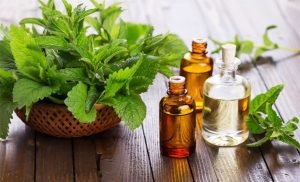
Tea Tree Essential Oil Tea tree oil is often referred to as “medicine cabinet in a bottle,” as it’s ..
-

13 surprising home remedies for acid reflux Before you reach for the heavy-duty, prescription-strength ..
-

Great Burdock The root is used to treat ‘toxic overload’ that result in throat infections and skin ..