
-

1. Apples Are Nutritious A medium apple is equal to 1.5 cups of fruit. Two cups of fruit daily are recommended ..
-

1.Bananas help overcome depression due to high levels of tryptophan, which is converted into serotonin ..
-

1. Beta carotene: Carrots are a rich source of this powerful antioxidant, which, among other vital uses, ..
-

Tinnitus in the ear can occur due to ear infections, various infections, perforation of the eardrum, ..
-
Comments Off on Pregnancy Calendar – Week 5 of Your Pregnancy

5-week pregnancy “Pregnancy calendar” at week 5: Your baby’s brain is developing. You may feel ..
-
Comments Off on Pregnancy Calendar – Week 4 of Your Pregnancy

4 weeks pregnancy “Pregnancy calendar” at 4th week: A miracle begins! Your baby, now consisting ..
-

Natural Ways to Support a Healthier Mood
Low mood can affect sleep, motivation, concentration, appetite, and the ability to enjoy ordinary activities. For some people, these changes are temporary and linked to stress, poor sleep, isolation, illness, or a difficult life event. For others, they may signal depression, which deserves proper assessment and support.
Natural approaches can complement professional care and may help strengthen daily habits that protect emotional wellbeing. Regular movement, nourishing food, daylight, social connection, and calming practices are generally safe starting points for mild symptoms. They should not be viewed as a replacement for medical advice when symptoms are persistent, worsening, or interfering with daily life.
A person can feel depressed even when there is no obvious reason. Keeping a simple record of mood, sleep, energy, and daily activities may reveal patterns and make it easier to explain symptoms to a doctor or mental health professional. Early support often makes recovery more manageable.
Recognizing When Low Mood Needs Attention
Low mood commonly includes sadness, irritability, tiredness, reduced motivation, self-criticism, and difficulty concentrating. Physical symptoms can include changes in sleep, appetite, digestion, or sexual interest. These signs may come and go, but symptoms that last for two weeks or longer deserve attention.
Mild symptoms can still have a meaningful effect on work, relationships, and self-care. A person does not need to wait until depression becomes severe before seeking help. A primary care clinician can check for contributing conditions, including thyroid problems, anemia, medication effects, hormonal changes, chronic pain, or substance use.
Urgent help is needed if depression includes thoughts of suicide, self-harm, feeling unable to stay safe, severe confusion, or an inability to manage basic needs. Contact local emergency services or a crisis service, and stay with a trusted person if possible. Natural remedies are not appropriate as the sole response to a mental health emergency.
Daily Habits That Support Emotional Health
Physical activity is one of the most consistently supported lifestyle measures for mild depressive symptoms. Walking, cycling, swimming, dancing, gardening, or gentle strength training can improve circulation, reduce tension, and support sleep. Starting with five or ten minutes is reasonable; the goal is regularity rather than intense exercise.
Daylight exposure may also help regulate the body clock, particularly when low mood occurs with irregular sleep or seasonal changes. Spending time outdoors in the morning can combine light exposure with movement. People with bipolar disorder should discuss significant changes in light exposure or sleep routines with a clinician, because disrupted rhythms may contribute to mood elevation.
Sleep habits matter because insufficient or irregular sleep can intensify sadness and anxious thoughts. A consistent wake time, a wind-down routine, reduced evening screen use, and a bedroom that is cool and dark can support better rest. Avoid using alcohol as a sleep aid, since it can fragment sleep and worsen mood the next day.
Food, Nutrients, and the Gut-Brain Connection
A balanced eating pattern provides the energy and nutrients needed for brain function. Meals built around vegetables, fruit, beans, lentils, whole grains, nuts, seeds, eggs, fish, or other protein sources can help maintain steady energy. Regular meals may be especially useful when depression leads to skipped meals or reliance on highly processed snacks.
Omega-3 fats found in oily fish, such as salmon, sardines, and mackerel, have been studied for their possible role in mood support. Plant sources include walnuts, chia seeds, and ground flaxseed, although the body converts their omega-3 fats less efficiently. Supplements are not automatically better than food, and anyone considering high-dose products should consult a healthcare professional.
Some nutrient deficiencies, including low levels of iron, vitamin B12, folate, vitamin D, or magnesium, can contribute to fatigue or mood changes. Taking supplements without testing can be unhelpful or harmful, especially at high doses. A clinician can recommend blood tests when symptoms or dietary restrictions make a deficiency more likely.
Mindfulness, Relaxation, and Meaningful Connection
Slow breathing, mindfulness meditation, progressive muscle relaxation, and gentle yoga may reduce stress and help people respond differently to difficult thoughts. These practices do not need to be long. Five minutes of attention to breathing or bodily sensations can be a practical starting point, followed by gradual increases if it feels comfortable.
Journaling can help separate feelings from assumptions and identify activities that improve or worsen mood. Writing down one difficult thought and examining the evidence for it resembles a basic cognitive-behavioral technique. When self-criticism is strong, it may help to use the same patient, realistic language that would be offered to a friend.
Social contact is another important protective factor. Depression often encourages withdrawal, yet a brief phone call, shared meal, walk with a neighbor, or visit with family can reduce isolation. Choose low-pressure contact when energy is limited. A support group, counselor, faith community, or community activity may provide additional connection.
Natural approach Potential value A practical way to begin Important cautions Walking or gentle exercise May improve energy, sleep, and stress regulation Take a short walk most days Stop for chest pain, faintness, or severe breathlessness Morning daylight Supports a regular sleep-wake rhythm Spend time outdoors early in the day People with bipolar disorder should seek clinical guidance Balanced meals Supports stable energy and nutrient intake Add protein, vegetables, fruit, and whole grains Treat suspected deficiencies with professional advice Mindfulness or breathing May ease rumination and physical tension Practice for five minutes daily Stop if it increases distress or traumatic memories Social connection Reduces isolation and creates routine Arrange one brief supportive contact Set boundaries with unsafe or harmful relationships Herbal products Some have limited evidence for mood symptoms Discuss products with a pharmacist or doctor first Interactions and side effects can be serious Herbal Remedies and Supplements Require Care
St. John’s wort is often promoted for mild to moderate depression, and some studies suggest it may help certain people. However, preparations vary widely, and the herb can interact with many medicines. It may reduce the effectiveness of birth control, transplant medicines, anticoagulants, HIV medicines, seizure medicines, and some heart treatments. Combining it with antidepressants or other products that affect serotonin can cause a dangerous reaction.
Possible side effects include digestive upset, dizziness, sleep problems, and increased sensitivity to sunlight. St. John’s wort may also trigger mania in people with bipolar disorder. It should not be started during pregnancy or breastfeeding without medical guidance. A pharmacist or doctor should review all medicines and supplements before use.
Other products, including saffron, lavender, rhodiola, and cannabidiol, have attracted interest, but evidence and product quality differ. “Natural” does not mean risk-free, and supplements may be contaminated, inaccurately labeled, or stronger than expected. Herbal remedies should be treated as active substances rather than harmless additions to a wellness routine.
Building a Gentle Mood-Support Routine
A useful plan should be small enough to follow on difficult days. Trying to change sleep, diet, exercise, meditation, social contact, and supplements all at once can create pressure and make setbacks feel like failure. Select one or two actions, track them for a week, and adjust according to energy, health, and practical circumstances.
Behavioral activation is a helpful principle: schedule a few meaningful or manageable activities before motivation returns. This might include showering, preparing a nourishing meal, watering plants, sitting outside, or completing one household task. The activity does not need to feel enjoyable immediately; completing it can provide structure and a sense of capability.
Professional therapy can work alongside lifestyle measures. Cognitive-behavioral therapy, interpersonal therapy, counseling, and other approaches help identify patterns that maintain low mood and develop practical coping skills. Medication may also be appropriate, depending on symptoms and medical history. Stopping prescribed treatment to use an herbal product can create avoidable risks.
Practical Steps for Safer Self-Care
- Set a regular wake time and aim for gentle daylight exposure early in the day.
- Begin with five to fifteen minutes of enjoyable movement, increasing gradually when possible.
- Eat regular meals containing protein, fiber-rich carbohydrates, vegetables, or fruit.
- Schedule one supportive social contact and one manageable activity each day.
- Ask a clinician or pharmacist to review supplements, medicines, pregnancy status, and health conditions before using herbal products.
Keep a record of mood, sleep, appetite, activity, and any supplement effects for several days. Share this information with a healthcare professional if symptoms continue, become more intense, or make ordinary responsibilities difficult. Seek urgent support immediately for suicidal thoughts, self-harm urges, or concerns about personal safety.
Small acts of care can create a foundation for recovery, but no one has to manage depression alone. Choose one safe step today, arrange support when needed, and speak with a qualified healthcare professional if low mood does not begin to lift.
-
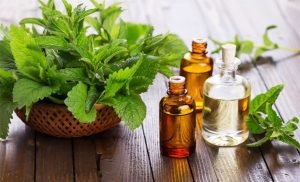
Tea Tree Essential Oil Tea tree oil is often referred to as “medicine cabinet in a bottle,” as it’s ..
-

13 surprising home remedies for acid reflux Before you reach for the heavy-duty, prescription-strength ..
-

Great Burdock The root is used to treat ‘toxic overload’ that result in throat infections and skin ..