
-

1. Apples Are Nutritious A medium apple is equal to 1.5 cups of fruit. Two cups of fruit daily are recommended ..
-
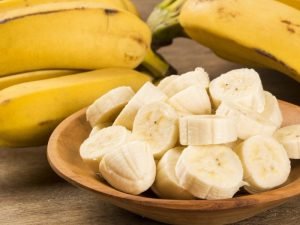
1.Bananas help overcome depression due to high levels of tryptophan, which is converted into serotonin ..
-
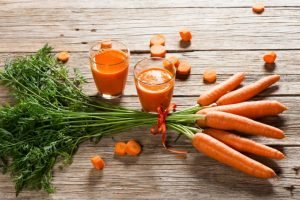
1. Beta carotene: Carrots are a rich source of this powerful antioxidant, which, among other vital uses, ..
-

Tinnitus in the ear can occur due to ear infections, various infections, perforation of the eardrum, ..
-
Comments Off on Pregnancy Calendar – Week 5 of Your Pregnancy

5-week pregnancy “Pregnancy calendar” at week 5: Your baby’s brain is developing. You may feel ..
-
Comments Off on Pregnancy Calendar – Week 4 of Your Pregnancy

4 weeks pregnancy “Pregnancy calendar” at 4th week: A miracle begins! Your baby, now consisting ..
-
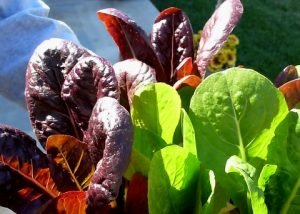
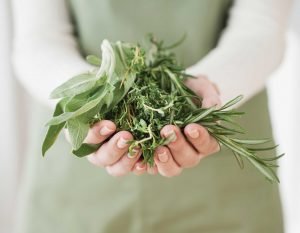
Safe Herbal Remedies During Pregnancy: A Practical Guide
Pregnancy can change how the body absorbs, processes, and responds to natural substances. An herb that seems gentle in food or tea may act differently when concentrated into a capsule, tincture, extract, or essential oil. “Natural” describes an ingredient’s origin, not its safety for a developing baby.
Many expectant parents look to herbal medicine for nausea, indigestion, constipation, colds, anxiety, sleep problems, or urinary discomfort. Some options may be reasonable in limited forms, while others can affect hormones, blood pressure, uterine activity, blood clotting, or medication levels.
The safest approach is to treat herbal products as medicines during pregnancy. Discuss any remedy with an obstetric clinician, midwife, or pharmacist before using it, particularly during the first trimester, when taking prescription medication, or when a pregnancy is considered high risk.
Why Pregnancy Changes Herbal Safety
Pregnancy affects digestion, circulation, liver enzyme activity, and kidney function. These changes may alter the amount of an herb that reaches the bloodstream and how long it remains in the body. The placenta also allows many active compounds to reach the fetus, even when the parent experiences no noticeable side effects.
Evidence is another concern. Most herbal products have not been tested in controlled pregnancy studies because researchers cannot deliberately expose pregnant participants to uncertain risks. A long history of traditional use does not provide the same reassurance as reliable safety data, and information about one preparation may not apply to another.
Concentration makes a substantial difference. A small amount of ginger used in cooking is different from a high-dose ginger supplement. A cup of a mild tea is different from a tincture containing several herbs. Products may also vary in strength, purity, contamination risk, and labeling accuracy.
Check The Product Before Taking It
Start by identifying the exact plant, plant part, dose, preparation, and proposed reason for use. “Herbal blend” is not specific enough for a safety assessment. Look for the botanical name, amount per serving, extraction method, manufacturer, lot number, and expiration date.
Avoid products with proprietary blends that hide individual amounts. Multi-ingredient formulas can make it difficult to identify the cause of an allergic reaction or side effect. Supplements purchased online may contain undeclared pharmaceutical ingredients, heavy metals, pesticides, or microorganisms, especially when quality testing is unclear.
A pharmacist can check possible interactions with prenatal vitamins, iron, thyroid medication, antidepressants, blood thinners, diabetes medicines, and drugs used for blood pressure. Keep the packaging or a photograph of the label available during the discussion.
Options With Limited, Targeted Use
Ginger is among the better-studied herbs for pregnancy-related nausea and vomiting. Small amounts in food or tea are generally considered different from concentrated supplements. It may cause heartburn, mouth irritation, or stomach discomfort, and it can potentially affect bleeding risk at higher doses. Anyone with a bleeding disorder, scheduled surgery, or blood-thinning medication should obtain individual advice.
Peppermint tea is commonly used for occasional nausea, gas, or indigestion. Evidence on pregnancy safety is limited, and peppermint may worsen reflux in some people. A moderate, occasional serving may be acceptable for some pregnant adults, but concentrated peppermint oil should not be swallowed unless specifically prescribed by a qualified professional.
Chamomile is widely used as a calming tea, yet pregnancy data remain insufficient and products vary considerably. Occasional weak tea may be viewed differently from strong preparations or extracts, but people with ragweed allergies may react to it. Red raspberry leaf is another frequently discussed option; evidence for routine use during pregnancy is limited, and it should not be started early or used to stimulate labor without maternity-care guidance.
Herbal product or ingredient Main concern during pregnancy Safer decision-making approach Ginger High doses may cause reflux or increase bleeding concerns Ask about a modest food or tea amount, especially with medication Peppermint leaf tea May worsen heartburn; concentrated oil is much stronger Use only an occasional mild tea if a clinician agrees Chamomile Limited pregnancy evidence and possible allergy Avoid concentrated forms; discuss even tea use if regular Red raspberry leaf Labor-related claims are not well established Do not use to prepare for labor without maternity guidance Licorice root May affect blood pressure, potassium, and fluid balance Avoid medicinal doses unless specifically supervised Aloe latex Can cause cramping, diarrhea, and fluid or electrolyte changes Avoid oral latex products during pregnancy St. John’s wort Numerous drug interactions and uncertain fetal safety Avoid self-treatment; seek professional review Essential oils Highly concentrated and sometimes toxic when swallowed Do not ingest; use only externally when approved Herbs That Deserve Extra Caution
Some herbs are best avoided during pregnancy because they may stimulate uterine contractions, alter hormones, or have toxic effects. Examples commonly listed for avoidance include pennyroyal, blue cohosh, black cohosh, mugwort, tansy, and large medicinal doses of sage. These ingredients may appear in traditional remedies marketed for menstruation, cleansing, detoxification, or labor preparation.
Licorice root can affect blood pressure, potassium levels, and fluid balance when used medicinally. Aloe latex may cause intestinal cramping and diarrhea and can disturb electrolytes. Senna and other stimulant laxatives may also lead to cramping or dehydration, so persistent constipation should be addressed with pregnancy-appropriate measures recommended by a clinician.
Avoid products containing ephedra, yohimbe, or unverified weight-loss and energy herbs. St. John’s wort interacts with many medicines, including hormonal drugs, antidepressants, and medications processed by the liver. Ashwagandha, dong quai, evening primrose, and high-dose rosemary are also unsuitable for casual self-treatment because pregnancy safety or effects on uterine activity are uncertain.
Essential oils require special care. Swallowing oils such as eucalyptus, clove, wintergreen, rosemary, or peppermint can be dangerous because a few drops may equal a large amount of plant material. Diffusion and skin use are not automatically risk-free either; ventilation, dilution, allergies, asthma, and accidental ingestion all matter. Follow advice from a maternity professional rather than relying on online recipes.
Choosing A Remedy For Common Symptoms
For morning sickness, begin with non-drug measures such as small frequent meals, plain snacks before getting out of bed, adequate fluids, and avoiding personal food triggers. Ginger may help some people, but repeated vomiting, inability to keep fluids down, dizziness, very dark urine, or weight loss requires prompt medical attention because dehydration can become serious.
For heartburn, smaller meals, remaining upright after eating, and avoiding late-night food may reduce symptoms. Peppermint can make reflux worse. For constipation, fluids, fiber-rich foods, gentle movement, and a clinician-approved stool softener or fiber supplement may be more predictable than an herbal laxative.
Colds and coughs often improve with rest, warm fluids, humidified air, and honey for adults who are not allergic. Honey must never be given to infants under one year, but that restriction does not apply to a pregnant adult. Fever, shortness of breath, chest pain, dehydration, or worsening infection symptoms warrant medical assessment rather than an herbal mixture.
Urinary burning should not be treated solely with cranberry products or herbal “kidney cleanses.” Cranberry foods or unsweetened juice may be compatible with pregnancy for many people, but they do not reliably cure a urinary tract infection. Painful urination, fever, back pain, blood in the urine, or frequent urgency should be evaluated quickly because infection can progress during pregnancy.
Use A Careful Review Process
Before starting a product, write down the symptom, how long it has lasted, and every medicine or supplement already being used. Include prenatal vitamins, teas, powders, gummies, sports products, and topical preparations. This list helps a professional distinguish a low-risk dietary amount from a medicinal exposure.
Choose food-based use over concentrated products when appropriate. Do not combine several remedies for the same symptom, increase the dose because the first serving did not work, or continue a product for weeks without review. Stop and seek advice if there is rash, swelling, wheezing, severe abdominal pain, persistent diarrhea, palpitations, unusual bleeding, or reduced fetal movement later in pregnancy.
A simple safety routine can reduce avoidable risks:
- Ask a prenatal clinician or pharmacist before starting any herbal supplement.
- Prefer products with clear ingredient lists, measured doses, and independent quality testing.
- Avoid detox teas, weight-loss blends, labor-induction formulas, and unlabeled online products.
- Never swallow essential oils or use concentrated extracts as substitutes for medical care.
- Report every supplement at prenatal visits and bring the packaging when possible.
When Professional Advice Is Essential
Professional guidance is especially important in the first trimester, during breastfeeding preparation, and whenever there is a history of miscarriage, preterm labor, placental problems, high blood pressure, diabetes, liver disease, kidney disease, or a bleeding disorder. Multiple pregnancy, fertility treatment, and use of prescription medication also justify a more cautious review.
Contact a maternity-care professional promptly for vaginal bleeding, regular contractions, leaking fluid, severe headache, vision changes, sudden swelling, intense abdominal pain, fever, or signs of dehydration. These symptoms should not be managed with herbs at home. A remedy may mask symptoms while the underlying condition becomes more serious.
Even products labeled pregnancy-safe deserve a closer look. Marketing terms such as “detox,” “hormone balance,” “natural labor support,” and “chemical-free” do not establish effectiveness or safety. A qualified clinician can help weigh the possible benefit against the uncertainty and suggest better-studied options when needed.
Use herbal remedies during pregnancy only with a clear purpose, reliable product information, and individualized medical advice. Review the ingredient list with your prenatal team before taking the next tea, capsule, tincture, or oil, and seek care promptly when symptoms are severe, persistent, or unusual.
-
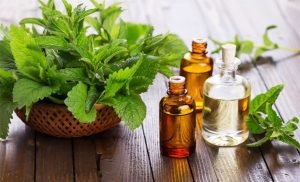
Tea Tree Essential Oil Tea tree oil is often referred to as “medicine cabinet in a bottle,” as it’s ..
-

13 surprising home remedies for acid reflux Before you reach for the heavy-duty, prescription-strength ..
-
Great Burdock The root is used to treat ‘toxic overload’ that result in throat infections and skin ..