
-

1. Apples Are Nutritious A medium apple is equal to 1.5 cups of fruit. Two cups of fruit daily are recommended ..
-
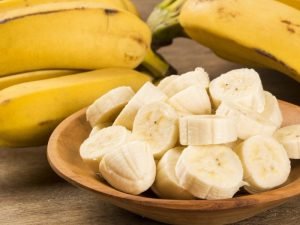
1.Bananas help overcome depression due to high levels of tryptophan, which is converted into serotonin ..
-
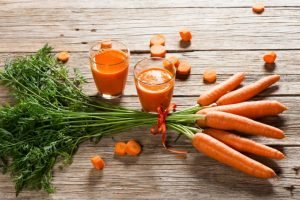
1. Beta carotene: Carrots are a rich source of this powerful antioxidant, which, among other vital uses, ..
-

Tinnitus in the ear can occur due to ear infections, various infections, perforation of the eardrum, ..
-
Comments Off on Pregnancy Calendar – Week 5 of Your Pregnancy

5-week pregnancy “Pregnancy calendar” at week 5: Your baby’s brain is developing. You may feel ..
-
Comments Off on Pregnancy Calendar – Week 4 of Your Pregnancy

4 weeks pregnancy “Pregnancy calendar” at 4th week: A miracle begins! Your baby, now consisting ..
-
Safe Herbal Teas Through Every Trimester of Pregnancy
Pregnancy can make a warm cup of tea feel especially appealing, whether you are managing morning nausea, seeking an evening wind-down routine, or replacing coffee. However, “natural” does not automatically mean suitable for pregnancy. Herbs contain active compounds, and their effects can vary according to the plant, preparation method, quantity, trimester, and other medicines being taken.
This guide explains how to approach herbal infusions during pregnancy, with practical considerations for Australian families. It is general health information rather than personal medical advice. Your midwife, GP, obstetrician or pharmacist can help you decide whether a particular tea is appropriate, especially if you have high blood pressure, diabetes, reflux, allergies, a complicated pregnancy, or take prescription medicines.
Why herbal tea safety changes during pregnancy
During the first trimester, the developing baby is undergoing major growth, and many pregnant people experience nausea, vomiting and heightened sensitivity to smells. Later, the uterus, placenta and circulation continue to change, while symptoms such as reflux, constipation, swelling and poor sleep may become more prominent. A tea that feels helpful for one symptom may be unsuitable for another.
Evidence for herbal remedies in pregnancy is often limited. Many plants have a long history of traditional use, but traditional use is not the same as strong clinical evidence. Research may involve food quantities rather than concentrated extracts, tinctures or capsules. Tea can also vary significantly in strength depending on the amount of herb, steeping time and whether several ingredients are combined.
A simple infusion made from a familiar culinary herb is generally easier to assess than a “detox” blend containing ten or more botanicals. Read the full ingredient panel rather than relying on front-of-pack claims such as “calming”, “cleansing” or “pregnancy support”. If a product does not list exact ingredients, leave it on the shelf.
First trimester choices for nausea and fatigue
Ginger is one of the better-studied herbal options for pregnancy-related nausea. Small amounts in tea may help some people, particularly when sipped slowly with food. It can cause heartburn or mouth irritation, and people taking blood-thinning medicine or those with bleeding concerns should ask a clinician before using regular ginger preparations.
Peppermint tea is commonly used for nausea, bloating and an unsettled stomach. Some pregnant people find the cooling flavour useful when morning sickness makes stronger smells difficult. Peppermint may aggravate reflux or heartburn, so it is less appealing if symptoms are already worse after meals or when lying down.
Rooibos is naturally caffeine-free and is often chosen as an alternative to black tea. It has a mild flavour and can be served hot or chilled during warm weather in Brisbane, Perth or Darwin. Even so, pregnancy research on concentrated rooibos products is limited, so ordinary tea servings are a more cautious choice than extracts or supplements.
Gentle options to discuss early
- Weak ginger tea for occasional nausea, if it does not worsen reflux
- Peppermint leaf tea for short-term digestive discomfort
- Rooibos infusion as a caffeine-free everyday alternative
- Plain hot water with lemon or a small amount of fresh ginger
Keep a note of what you drink if nausea is severe or symptoms change. Several cups of strong tea can add up, and sweetened drinks may be difficult for people managing gestational diabetes. If you cannot keep fluids down, are passing very little urine, feel faint, or are losing weight, contact your maternity care provider promptly rather than relying on tea.
Second trimester habits and sensible limits
Many people feel more energetic during the second trimester, although headaches, constipation and heartburn can continue. Peppermint may be suitable for occasional digestive discomfort, while ginger can remain useful for nausea. Drinking water regularly is still important; herbal tea should complement hydration rather than replace plain water throughout the day.
Chamomile is often associated with relaxation, but its pregnancy safety is not firmly established. Occasional weak tea may be viewed differently from concentrated chamomile supplements, yet people with allergies to ragweed, daisies or related plants may react. Chamomile can also interact with some medicines, including medicines that affect clotting or cause sedation.
Raspberry leaf tea deserves particular caution. It is frequently promoted for late pregnancy and labour preparation, but evidence for its effectiveness is limited, and its effects on the uterus are not fully understood. Starting it in the second trimester without advice is not a sensible routine. Discuss the product with your midwife or obstetrician, especially if you have a history of premature labour, bleeding, caesarean birth or other pregnancy complications.
Caffeine remains relevant even when you are choosing tea instead of coffee. Black tea, green tea, matcha, chai and many iced tea products contain caffeine. Australian pregnancy advice commonly uses a daily limit of 200 milligrams, counting coffee, tea, cola, energy drinks and chocolate. A brewed green or black tea may contain less caffeine than coffee, but amounts vary with the brand and steeping time.
Third trimester teas and preparation concerns
As pregnancy progresses, reflux, constipation, leg cramps and sleep disruption may influence tea choices. Peppermint can be refreshing, but it may relax the lower oesophageal sphincter and make reflux feel worse for some people. Ginger may help nausea but can also irritate the stomach in a strong brew. Personal response matters, so stop a tea that repeatedly causes discomfort.
Raspberry leaf should be treated as a product requiring individual guidance rather than a guaranteed labour aid. There is no reliable evidence that it will make labour easier or safer for everyone. A midwife may advise against it in particular circumstances, including some high-risk pregnancies. Do not begin a concentrated preparation simply because it is marketed as a traditional third-trimester drink.
Fennel, anise, liquorice root and several “women’s wellness” ingredients can appear in blends marketed for digestion or hormonal balance. Their safety may depend on the species and dose, and labels are not always easy to interpret. Avoid loose blends from a market stall when the seller cannot provide the botanical name, source and complete ingredients.
A cautious late-pregnancy routine
- Choose one familiar, clearly labelled herbal infusion at a time
- Keep servings moderate and avoid very strong, prolonged brews
- Stop if you develop rash, wheezing, palpitations, cramps or worsening reflux
- Ask your maternity team before using raspberry leaf or multi-herb blends
Swelling, headache, visual changes, upper abdominal pain or sudden shortness of breath should not be managed with herbal tea. These symptoms can require urgent assessment during pregnancy. Contact your maternity service, GP or emergency care according to the severity and local advice.
Herbs best avoided or carefully checked
Avoid pennyroyal, blue cohosh and black cohosh during pregnancy unless a specialist has given explicit instructions, which is uncommon. These herbs have been associated with serious toxicity or effects on the uterus. Dong quai, high-dose sage, wormwood and large quantities of aloe preparations are also poor choices for self-treatment in pregnancy.
Liquorice root is different from the small amount of liquorice flavouring found in some foods. Concentrated liquorice tea may affect blood pressure and potassium levels, and frequent intake has raised concerns during pregnancy. Ginseng and ginkgo are often sold as wellness products, but their effects and interactions make them unsuitable for casual use without professional advice.
“Detox”, “flat tummy”, laxative and sleep teas deserve special scrutiny. Senna can cause abdominal cramping and diarrhoea, while valerian and other sedating herbs may interact with medicines or leave you drowsy. Products labelled as natural weight-loss aids or hormone balancers have no useful role in a healthy pregnancy unless prescribed for a specific reason.
Essential oils should not be treated as concentrated tea ingredients. Adding drops of peppermint, eucalyptus, clove, rosemary or other essential oils to hot water can create a much stronger exposure than drinking a normal leaf infusion. Essential oils should never be swallowed casually, and they should be kept away from children.
Choosing products and getting Australian advice
In Australia, herbal teas can be sold as ordinary foods, while complementary medicines such as capsules, liquids and some therapeutic products are regulated by the Therapeutic Goods Administration. A product listed on the Australian Register of Therapeutic Goods may have an AUST L or AUST R number, but this does not mean it is proven safe for every stage of pregnancy. Product claims and evidence still need careful interpretation.
Food Standards Australia New Zealand regulates food standards, including information relevant to packaged beverages, but supermarket availability is not proof of pregnancy safety. A blend bought at Woolworths, Coles, a health-food shop or a weekend market can still contain herbs that need checking. Keep the packaging or photograph the ingredient list before asking a pharmacist or maternity clinician for advice.
Australian health information from services such as Pregnancy, Birth and Baby can help explain common pregnancy symptoms, while your own care team can apply that information to your medical history. For broader reading about nutrition, home remedies and plant-based wellness, the Healthy Life Live resource can provide general background, but online information should not replace professional pregnancy care.
Use clean water, follow the packet directions and avoid leaving tea to steep for hours. A reusable bottle filled with a mild infusion may be convenient during a commute across Melbourne or Sydney, but it should be refrigerated if kept for later and discarded if its smell or appearance changes. In hot Australian weather, plain water remains the safest foundation for hydration.
Tell your midwife, GP and pharmacist about every herbal product, including teas, powders, gummies and traditional remedies. This is particularly important before surgery, induction or caesarean birth, and if you use aspirin, anticoagulants, antidepressants, blood-pressure medicine or diabetes treatment. A short ingredient list, moderate use and professional checking provide a safer approach than assuming that a popular pregnancy tea is suitable for everyone.
-
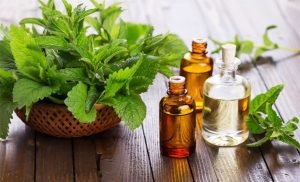
Tea Tree Essential Oil Tea tree oil is often referred to as “medicine cabinet in a bottle,” as it’s ..
-

13 surprising home remedies for acid reflux Before you reach for the heavy-duty, prescription-strength ..
-
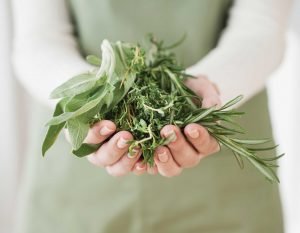
Great Burdock The root is used to treat ‘toxic overload’ that result in throat infections and skin ..