
-

1. Apples Are Nutritious A medium apple is equal to 1.5 cups of fruit. Two cups of fruit daily are recommended ..
-
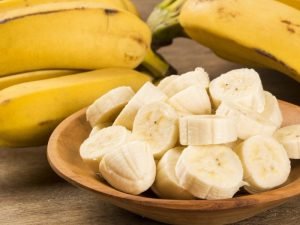
1.Bananas help overcome depression due to high levels of tryptophan, which is converted into serotonin ..
-
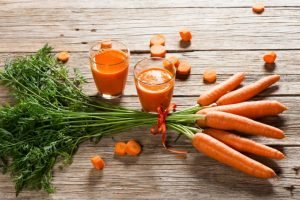
1. Beta carotene: Carrots are a rich source of this powerful antioxidant, which, among other vital uses, ..
-

Tinnitus in the ear can occur due to ear infections, various infections, perforation of the eardrum, ..
-
Comments Off on Pregnancy Calendar – Week 5 of Your Pregnancy

5-week pregnancy “Pregnancy calendar” at week 5: Your baby’s brain is developing. You may feel ..
-
Comments Off on Pregnancy Calendar – Week 4 of Your Pregnancy

4 weeks pregnancy “Pregnancy calendar” at 4th week: A miracle begins! Your baby, now consisting ..
-

Benefits of eating dates during pregnancy for energy and labor
Dates are naturally sweet fruits that can be useful during pregnancy when eaten as part of a balanced diet. Because they contain carbohydrate, fiber, potassium, and small amounts of several other nutrients, they may provide a convenient source of energy between meals. Their soft texture also makes them easy to add to oatmeal, yogurt, smoothies, or snacks.
Interest in dates often increases near the end of pregnancy because several small studies have examined whether eating them may support cervical ripening or reduce the need for labor induction. The findings are encouraging but limited. Dates should be viewed as a nutritious food, not as a guaranteed method for starting labor or shortening delivery.
Individual needs vary during pregnancy. A person with gestational diabetes, blood sugar concerns, digestive symptoms, or a medically complicated pregnancy may need specific advice about portions and timing from an obstetrician, midwife, or registered dietitian.
What dates provide during pregnancy
Dates are dried fruits, so their natural sugars and calories are concentrated in a relatively small serving. This makes them useful when quick fuel is needed, particularly during a busy morning, after light activity, or when nausea makes larger meals difficult. Their carbohydrates are converted into glucose, the body’s primary energy source.
They also provide dietary fiber, which supports regular bowel movements and may help reduce constipation, a common pregnancy complaint. Fiber works best when paired with adequate fluids and a varied diet containing vegetables, legumes, whole grains, nuts, and seeds.
Dates contain potassium, magnesium, copper, and small amounts of other micronutrients. Potassium contributes to normal muscle and nerve function, while magnesium is involved in many metabolic processes. However, dates are not a complete prenatal food. They are relatively low in protein and do not supply enough iron, folate, iodine, calcium, or vitamin D to replace prenatal vitamins or a well-rounded diet.
How dates may support energy levels
Pregnancy increases nutritional demands, and fatigue may be influenced by hormonal changes, sleep disruption, anemia, dehydration, or insufficient food intake. Dates can help with fatigue related to low energy intake because they are portable and rich in carbohydrate. Pairing them with protein or healthy fat can make a snack more filling and may produce steadier energy.
For example, two dates with peanut butter, plain Greek yogurt, walnuts, or a small portion of cheese provide a combination of carbohydrate, protein, and fat. This approach may be preferable to eating a large quantity of dates alone, especially for people who notice rapid rises and falls in blood glucose.
Dates can also be blended into homemade energy bites with oats and nut butter. When using them in smoothies, it is helpful to include protein, such as yogurt or unsweetened soy milk, along with vegetables or berries. These combinations add nutritional balance without relying entirely on concentrated sweetness.
A sudden or severe increase in tiredness should not be dismissed as a normal pregnancy symptom. Persistent fatigue, breathlessness, dizziness, paleness, or a racing heartbeat may indicate iron-deficiency anemia or another condition that requires medical assessment.
Fiber, digestion, and everyday comfort
Constipation can occur because pregnancy hormones slow intestinal movement, while the growing uterus may place pressure on the bowel. Dates contain soluble and insoluble fiber, which can add bulk to stool and support healthier digestion. Eating them regularly in modest portions may be helpful for some people.
Increasing fiber too quickly may cause gas, bloating, or abdominal discomfort. Anyone who is not accustomed to high-fiber foods can begin with one or two dates and increase gradually if tolerated. Water is essential because fiber without enough fluid may worsen constipation.
Dates are sticky and naturally sweet, so dental care matters. Rinsing the mouth with water after eating them and maintaining regular brushing with fluoride toothpaste can help limit prolonged sugar exposure. Eating dates alongside a meal or snack rather than grazing on them throughout the day may also be gentler on teeth.
Their effect on digestion is individual. Dates may ease constipation for one person and cause bloating for another, particularly when large servings are eaten. The best portion is the amount that fits comfortably into the overall diet.
Pregnancy goal How dates may help Practical approach Important limitation Quick energy Provides concentrated carbohydrate and calories Combine one or two dates with yogurt, nuts, or nut butter Large servings can add substantial sugar and calories Constipation support Supplies dietary fiber Eat a modest portion with water and other high-fiber foods Too much too quickly may cause bloating Nutrient variety Adds potassium and small amounts of minerals Use dates alongside fruit, vegetables, whole grains, and protein Dates cannot replace prenatal vitamins or iron-rich foods Late-pregnancy preparation May be associated with cervical changes in limited research Discuss use during the final weeks with a maternity provider Evidence is still limited and does not prove labor will begin Blood sugar management Can fit some meal plans in controlled portions Pair with protein and monitor personal glucose response if advised People with gestational diabetes need individualized guidance Dates and the possibility of easier labor
Research on dates before labor has focused mainly on the final weeks of pregnancy. Some small clinical trials and observational studies have reported that people who ate dates late in pregnancy had greater cervical readiness, shorter early labor, less need for induction, or a lower rate of postpartum bleeding. Proposed explanations include plant compounds that may influence uterine activity or cervical tissue, although the biological mechanism is not firmly established.
The evidence should be interpreted carefully. Studies have differed in the type and amount of dates used, the number of weeks participants ate them, and the way labor outcomes were measured. Many studies were small, and some were not designed to eliminate every possible difference between people who ate dates and those who did not.
There is no reliable proof that dates will trigger labor at a chosen time. They do not replace medical induction when induction is recommended for conditions such as preeclampsia, reduced fetal growth, prolonged pregnancy, or problems with the placenta. They should never be used to delay urgent maternity care.
Some research protocols have used approximately six dates daily during the last three to four weeks of pregnancy, but this amount is not a universal recommendation. Six large Medjool dates may contain several hundred calories and a substantial amount of sugar. A maternity provider can help determine whether that quantity is appropriate based on health history, fetal growth, blood glucose, and total dietary intake.
Safety and blood sugar considerations
Dates are generally considered safe during pregnancy when consumed as a food in reasonable portions. They are not known to be toxic or inherently dangerous, and there is no standard evidence that ordinary dietary amounts harm the fetus. Allergies are uncommon but possible, and packaged products may contain sulfites, nuts, or other added ingredients.
People with gestational diabetes or insulin resistance should pay close attention to portion size. The natural sugar in dates still contributes carbohydrate, even though dates also contain fiber. Eating several at once may raise blood glucose more than expected. Pairing a small portion with protein or fat may improve satiety, but it does not eliminate the need to follow a prescribed meal plan or glucose-monitoring schedule.
A simple serving may be one or two small dates, or part of a large Medjool date, depending on individual carbohydrate goals. Nutrition labels can help because varieties differ significantly in size. Unsweetened dates are preferable to products coated in sugar, stuffed with sweet fillings, or incorporated into desserts with additional syrups.
Anyone with a history of food allergy, digestive disease, kidney disease requiring potassium restrictions, or a pregnancy complication should obtain personalized advice. A provider may also recommend limits if weight gain, glucose control, or gastrointestinal symptoms are concerns.
Ways to add dates to a balanced diet
Dates can be chopped into porridge with cinnamon and seeds, stirred into plain yogurt, or added to a salad containing leafy greens, chickpeas, and a source of protein. They can also replace some refined sugar in homemade muffins or oat bars, although the finished food still needs to be considered a sweet snack.
For a filling option, combine dates with unsalted nuts or a spoonful of nut butter. Pregnant people should choose pasteurized dairy products and avoid ingredients that are unsafe in pregnancy. Proper food hygiene remains important when preparing date-based snacks, especially when using refrigerated fillings.
A balanced eating pattern matters more than any individual food. Meals should generally include vegetables or fruit, whole grains or other high-fiber carbohydrates, a protein source, and healthy fats. Iron-rich foods such as beans, lentils, lean meat, poultry, fortified cereals, and cooked leafy greens are particularly important during pregnancy.
Practical ways to use dates safely
- Start with one or two dates and assess digestion, appetite, and blood sugar response.
- Pair dates with protein or healthy fat, such as yogurt, nuts, seeds, or nut butter.
- Choose plain, unsweetened dates and check labels for added sugar or allergens.
- Drink enough water when increasing dates or other high-fiber foods.
- Discuss late-pregnancy date intake with a maternity provider, especially with gestational diabetes or a planned induction.
What to remember near the end of pregnancy
Dates may offer useful carbohydrate for energy, fiber for digestion, and potassium as part of a varied pregnancy diet. Their sweetness makes them a convenient alternative to some highly processed snacks, particularly when combined with protein and healthy fats.
The possible labor-related benefits are less certain. Research suggests that regular date consumption in the final weeks may be linked with a more favorable cervix or fewer interventions for some people, but the evidence does not establish a dependable dose or guarantee an easier birth. Labor depends on many factors, including fetal position, cervical readiness, hormone activity, maternal health, and clinical circumstances.
Use dates as a food, not a treatment. Keep prenatal appointments, continue recommended supplements, monitor blood glucose when instructed, and contact a healthcare professional for contractions, vaginal bleeding, leaking fluid, severe headache, vision changes, decreased fetal movement, or other urgent symptoms. Adding a sensible portion of dates to a balanced pregnancy diet can be discussed at the next prenatal visit.
-

Tea Tree Essential Oil Tea tree oil is often referred to as “medicine cabinet in a bottle,” as it’s ..
-

13 surprising home remedies for acid reflux Before you reach for the heavy-duty, prescription-strength ..
-

Great Burdock The root is used to treat ‘toxic overload’ that result in throat infections and skin ..