
-

1. Apples Are Nutritious A medium apple is equal to 1.5 cups of fruit. Two cups of fruit daily are recommended ..
-
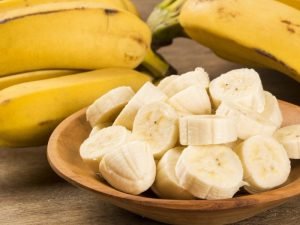
1.Bananas help overcome depression due to high levels of tryptophan, which is converted into serotonin ..
-

1. Beta carotene: Carrots are a rich source of this powerful antioxidant, which, among other vital uses, ..
-

Tinnitus in the ear can occur due to ear infections, various infections, perforation of the eardrum, ..
-
Comments Off on Pregnancy Calendar – Week 5 of Your Pregnancy

5-week pregnancy “Pregnancy calendar” at week 5: Your baby’s brain is developing. You may feel ..
-
Comments Off on Pregnancy Calendar – Week 4 of Your Pregnancy

4 weeks pregnancy “Pregnancy calendar” at 4th week: A miracle begins! Your baby, now consisting ..
-

Best Foods to Eat When You Have a Cold or Flu
When a cold or flu leaves you tired, congested, feverish, or short of appetite, food may feel like a low priority. Yet nourishing meals and drinks can support hydration, maintain energy, and provide nutrients your body uses during recovery. The right choices do not cure a viral infection, but they can make symptoms easier to manage.
A gentle eating plan is usually more useful than forcing large meals. Warm liquids, soft foods, fruit, vegetables, and modest portions can help you get nourishment without aggravating a sore throat or unsettled stomach. If your appetite is poor, eating small amounts several times a day may be more realistic than preparing a full plate.
Individual needs vary, especially for young children, older adults, pregnant people, and anyone with a chronic condition. For broader guidance on nutrition, home wellness, and common health concerns, Healthy Life Live offers general health information to complement advice from a qualified healthcare professional.
Fluids Come First
Fever, sweating, rapid breathing, vomiting, and diarrhea can increase fluid loss. Even a stuffy nose may lead you to drink less because swallowing and breathing feel uncomfortable. Replacing fluids is therefore one of the most practical steps during an illness.
Water is a reliable choice, but it is not the only option. Clear soups, diluted fruit juice, herbal tea, milk, and oral rehydration solutions can add variety. Broths are especially appealing when you have little appetite because they provide warmth, salt, and some fluid in a small serving.
Take frequent sips rather than waiting until you feel very thirsty. If nausea is present, a few mouthfuls every several minutes may be easier to tolerate than a large glass. Dark urine, dry mouth, dizziness, unusual sleepiness, or very infrequent urination can indicate dehydration and deserve prompt medical attention.
Warm Soups And Broths
Chicken soup has long been associated with cold care, and its value is practical as well as comforting. A bowl made with broth, chicken, vegetables, and noodles or rice can provide protein, carbohydrates, fluid, and sodium. The warmth may temporarily loosen nasal mucus and soothe an irritated throat.
You can adapt soup to your appetite and digestion. Blended vegetable soup, lentil soup, miso broth, or a simple rice porridge may work well when chewing feels tiring. Add soft vegetables such as carrots, squash, potatoes, or zucchini for vitamins, minerals, and gentle fiber.
Avoid making soup excessively spicy, greasy, or salty if you have nausea, reflux, or a sensitive stomach. Steam from a hot bowl may feel soothing, but allow it to cool enough to prevent burns. Soup should support comfort, not create another irritation.
Soft Foods For A Sore Throat
A scratchy throat often makes dry, rough, or crunchy foods unpleasant. Soft meals require less chewing and can be easier to swallow. Oatmeal, yogurt, applesauce, mashed potatoes, scrambled eggs, smoothies, and cooked grains are useful options when solid food is difficult.
Chilled foods may calm throat discomfort for some people, while others prefer warm meals. A banana blended with yogurt, milk, or a fortified alternative can provide calories and protein in a smooth form. If dairy seems to make you feel more congested, choose a non-dairy option; the sensation of thicker saliva is not the same as increased mucus production.
Honey can be added to warm tea or oatmeal for adults and children over one year old. It may ease coughing for some people, but it must never be given to infants under twelve months because of the risk of infant botulism. Avoid very acidic foods, such as citrus, if they sting an inflamed throat.
Nutrient-Dense Choices For Recovery
Illness can reduce appetite just when your body needs steady energy. Protein helps maintain body tissues and supports normal immune function, while carbohydrates provide readily available fuel. Eggs, poultry, fish, beans, lentils, tofu, yogurt, cottage cheese, and nut or seed butter can make small meals more nourishing.
Fruits and vegetables contribute vitamins, minerals, water, and plant compounds. Citrus fruit, berries, kiwi, melon, leafy greens, peppers, broccoli, tomatoes, and sweet potatoes are nutritious choices, although no single food can eliminate a cold or flu. If chewing is uncomfortable, use cooked produce, soups, purees, or smoothies.
Vitamin C is important for normal immune activity, but taking large amounts after symptoms begin is unlikely to produce a dramatic recovery. Zinc is also involved in immune function, and foods such as meat, shellfish, dairy, beans, and seeds provide it. High-dose supplements can interact with medicines or cause side effects, so discuss them with a healthcare professional instead of assuming more is better.
Food or drink Why it may help Easy way to use it Broth-based soup Adds fluid, warmth, sodium, and often protein Choose chicken, lentil, vegetable, or noodle soup Oatmeal Provides energy and a soft texture Stir in banana, yogurt, or nut butter Yogurt Supplies protein and is easy to swallow Choose plain or lightly sweetened varieties Eggs Offer protein and are quick to prepare Serve scrambled or softly cooked Bananas Provide carbohydrates and potassium with little chewing Eat plain or blend into a smoothie Citrus and berries Add fluid and vitamin C Use fresh, frozen, or mixed into yogurt Oral rehydration solution Replaces fluid and key electrolytes Use as directed when dehydration is a concern Foods And Drinks To Limit
Some foods can worsen discomfort even when they are generally nutritious. Heavy fried meals, rich sauces, and very fatty foods may be difficult to digest during fever or nausea. Large amounts of added sugar can also displace more nourishing choices, particularly when appetite is limited.
Alcohol should be avoided while you are ill, especially if you have a fever or are taking medication. It can contribute to dehydration and may interact with common cold and flu products. Too much caffeine may make some people feel jittery or interfere with sleep, although a moderate amount of tea or coffee may be tolerated if it does not upset your stomach.
Be cautious with grapefruit and grapefruit juice if you take prescription medication, since they can affect the way certain drugs work. Very spicy food may temporarily open the nasal passages for some people, but it can aggravate reflux, coughing, nausea, or a sore throat. Let your symptoms guide your choices.
Simple Ways To Eat When Appetite Is Low
A sick day can make cooking feel impossible. Keep preparation simple by choosing foods that need little work: ready-made broth, frozen vegetables, canned beans, eggs, bananas, whole-grain toast, yogurt, and pre-cooked rice. Combining two or three of these items can create a balanced, manageable meal.
Try eating every two or three hours rather than waiting for hunger. A small bowl of oatmeal, half a sandwich, a cup of soup, or a piece of fruit is still useful. Rest between meals, and keep water or another suitable drink nearby so hydration does not depend on remembering to get up.
Smell sensitivity can make hot meals unappealing. Cold or room-temperature foods may be easier, particularly during a fever. If nausea is present, choose bland options such as crackers, toast, rice, bananas, or applesauce, and gradually add protein and vegetables as your stomach settles.
Practical Meal Ideas For Sick Days
Breakfast could be oatmeal topped with mashed banana, or scrambled eggs with soft toast and a warm drink. For lunch, consider chicken and vegetable soup with rice, or a baked potato topped with yogurt and a mild filling. These meals provide fluid and energy without requiring complicated preparation.
A smoothie can be useful when chewing is uncomfortable, but make it substantial rather than relying on fruit juice alone. Blend yogurt or milk with a banana, berries, and oats. If you have diarrhea, very sugary drinks and large amounts of fruit juice may worsen symptoms, so choose water or an oral rehydration beverage as your main fluid.
For an evening meal, try soft noodles with broth, lentil soup, mashed vegetables with fish, or tofu with rice. Keep portions modest and save leftovers safely. If you cannot keep liquids down, are becoming confused or unusually weak, have trouble breathing, experience chest pain, or have symptoms that are severe or worsening, seek medical care promptly.
Helpful Habits Alongside Nourishing Food
- Sip fluids regularly and keep a drink within easy reach.
- Choose small, frequent meals when a normal portion feels overwhelming.
- Include a source of protein once or twice daily, such as eggs, yogurt, beans, fish, or poultry.
- Select soft fruits and cooked vegetables when your throat or stomach is sensitive.
- Check medication labels and ask a pharmacist before combining supplements with cold or flu remedies.
Food supports recovery, but rest, sleep, handwashing, and appropriate medical care matter too. Stay home when you are contagious, follow local guidance, and avoid preparing food for vulnerable people if you may spread an infection. Most uncomplicated colds improve with time, while influenza can become serious for some people and may require early treatment.
Use these food and drink ideas as flexible options rather than strict rules. Choose what your body tolerates, focus on hydration, and return gradually to your usual eating pattern as your energy and appetite improve. If symptoms concern you or do not follow an expected course, contact a healthcare professional for personalized advice.
-

Tea Tree Essential Oil Tea tree oil is often referred to as “medicine cabinet in a bottle,” as it’s ..
-

13 surprising home remedies for acid reflux Before you reach for the heavy-duty, prescription-strength ..
-

Great Burdock The root is used to treat ‘toxic overload’ that result in throat infections and skin ..