
-

1. Apples Are Nutritious A medium apple is equal to 1.5 cups of fruit. Two cups of fruit daily are recommended ..
-

1.Bananas help overcome depression due to high levels of tryptophan, which is converted into serotonin ..
-

1. Beta carotene: Carrots are a rich source of this powerful antioxidant, which, among other vital uses, ..
-

Tinnitus in the ear can occur due to ear infections, various infections, perforation of the eardrum, ..
-
Comments Off on Pregnancy Calendar – Week 5 of Your Pregnancy

5-week pregnancy “Pregnancy calendar” at week 5: Your baby’s brain is developing. You may feel ..
-
Comments Off on Pregnancy Calendar – Week 4 of Your Pregnancy

4 weeks pregnancy “Pregnancy calendar” at 4th week: A miracle begins! Your baby, now consisting ..
-

Best Herbal Remedies For Soothing A Sore Throat Naturally
A sore throat can make swallowing, speaking and sleeping uncomfortable. It often appears with a common cold, influenza, dry air or post-nasal drip, although bacterial infections and other conditions can cause similar symptoms. Gentle herbal drinks and simple home care may ease irritation while your body recovers, but they should not replace medical assessment when symptoms are severe or persistent.
Warm fluids can moisten the throat and loosen thick mucus. Many people in Australia reach for a cup of tea, warm water with lemon, or honey when a scratchy throat begins. These familiar remedies are generally easy to prepare, whether you are at home in Brisbane during allergy season or dealing with a dry winter evening in Melbourne or Canberra.
The best herbal remedies for soothing a sore throat naturally are those that provide moisture, warmth or a mild coating effect. Ginger, chamomile, sage, liquorice root and marshmallow root are commonly used options. Their effects vary from person to person, and scientific evidence is stronger for some uses than others.
Natural does not automatically mean risk-free. Herbal products may interact with medicines, affect blood pressure or blood sugar, and may be unsuitable during pregnancy, breastfeeding or childhood. Read labels carefully, choose reputable Australian products and seek advice from a pharmacist or doctor when symptoms do not fit a mild viral illness.
Why A Sore Throat Needs Gentle Care
A sore throat usually reflects inflammation of the tissues at the back of the mouth and throat. Viral infections are the most common cause, particularly when a sore throat occurs with a runny nose, cough, fatigue or mild fever. Dry indoor heating, air conditioning, shouting and mouth breathing can also leave the throat raw.
Warm herbal tea may feel soothing because it keeps irritated tissues moist. A small amount of honey can add a protective coating and reduce the urge to cough, especially at night. Honey should never be given to babies under 12 months because of the risk of infant botulism. For older children and adults, it can be stirred into a warm drink once it has cooled slightly.
Avoid drinks that are extremely hot, as heat can further irritate inflamed tissue. Alcohol and smoking can also worsen dryness. During a winter cold in Sydney or Adelaide, regular sips of water and a humidified room may be as useful as a specialised herbal blend.
Herbal Drinks That May Soothe Irritation
Ginger tea is a popular choice for a scratchy throat. Fresh ginger contains aromatic compounds that may provide a warming sensation and has traditionally been used for nausea and minor inflammatory discomfort. Slice a small piece of fresh ginger, steep it in hot water for five to ten minutes, and add honey after the drink has cooled enough to sip comfortably. Ginger can taste strong, so begin with a mild infusion.
Chamomile tea is gentle, naturally caffeine-free and often used before bed. Its mild flavour may make it easier to drink enough fluid when swallowing is uncomfortable. People allergic to ragweed, daisies or related plants may react to chamomile, so stop using it if you develop itching, swelling or breathing difficulty.
Sage has a long history in traditional throat preparations. A cooled sage infusion can be used as a gargle and spat out rather than swallowed. Do not use concentrated sage essential oil in the mouth, and avoid large amounts of sage during pregnancy unless a qualified health professional has advised you to use it.
Common herbal options for throat comfort include:
- Marshmallow root tea, which may create a soothing, slippery texture
- Liquorice root tea, traditionally used for irritated mucous membranes
- Thyme tea, often chosen for coughs and upper respiratory discomfort
- Peppermint tea, which can feel cooling but may aggravate reflux in some people
Marshmallow root and slippery elm are sometimes described as demulcents because they form a mucilaginous coating when mixed with water. This may temporarily reduce the sensation of scratching. They can interfere with absorption of oral medicines, so take them at a different time from prescription or over-the-counter tablets and ask a pharmacist for specific spacing advice.
Liquorice root requires extra caution. Regular or high-dose use may raise blood pressure, lower potassium and contribute to abnormal heart rhythms. People with hypertension, kidney disease, heart disease or fluid retention should generally avoid it unless their doctor approves. Liquorice is also unsuitable for some pregnant people and may interact with medicines such as diuretics and corticosteroids.
Simple Ways To Prepare A Herbal Remedy
A tea infusion is usually the safest and simplest preparation for a sore throat. Use a reputable tea bag or a measured amount of dried herb, add freshly boiled water, cover the cup and steep according to the product directions. Covering the cup helps retain volatile compounds, while allowing it to cool prevents burns. Sip slowly rather than drinking a large amount quickly.
A salt-water gargle is not herbal, but it can complement a soothing tea. Dissolve about half a teaspoon of salt in a glass of warm water, gargle and spit it out. This may reduce throat discomfort and help clear mucus. Children who cannot gargle reliably should not be given this method, because they may swallow the mixture or choke.
Herbal lozenges can be convenient at work, while travelling between Perth and Fremantle, or when speaking is unavoidable. Choose products with clear ingredient lists and follow the stated dose. Avoid combining several products with the same herb, particularly liquorice, eucalyptus or menthol, because total exposure can become difficult to judge.
A warm drink with lemon may be pleasant, but lemon juice is acidic and can sting an already inflamed throat or worsen reflux. If it causes burning, leave it out. Australian lemon myrtle is widely sold in teas and may provide a pleasant citrus aroma, though it should not be treated as a proven cure for infection. Use food-grade tea products rather than concentrated essential oil preparations.
Choosing Safe Products In Australia
Australian supermarkets, health-food shops and pharmacies carry a wide range of herbal teas, lozenges and liquid extracts. Products sold through an Australian pharmacy may display an AUST number or AUST-L number, indicating inclusion on the Australian Register of Therapeutic Goods. This does not mean a product is suitable for everyone, so check the ingredients, warnings and recommended age range.
When buying from a market stall, online seller or health-food shop, be cautious with products that promise to eliminate infection, replace antibiotics or cure severe illness. Herbal mixtures can vary in strength, and some imported products have unclear labelling. A pharmacist at a local Chemist Warehouse, independent pharmacy or supermarket pharmacy can help check possible interactions.
Keep these checks in mind before using a remedy:
- Read the full ingredient list, including added essential oils and sweeteners
- Check warnings if you are pregnant, breastfeeding, elderly or giving it to a child
- Ask about interactions with blood-pressure, diabetes, thyroid or blood-thinning medicines
- Choose sealed products from reputable Australian or regulated suppliers
- Stop the product if you develop rash, swelling, wheezing, dizziness or stomach pain
People with reflux may find peppermint, lemon and strong ginger irritating. Those with diabetes should consider the sugar in honey, syrups and medicated lozenges. Individuals with asthma or fragrance sensitivity may react to concentrated vapours, including eucalyptus oil. Never swallow eucalyptus essential oil; it can be poisonous and is not equivalent to a mild eucalyptus-flavoured lozenge.
Pregnancy deserves particular care. Culinary amounts of ginger in tea are commonly used for nausea, but concentrated herbal extracts and liquorice root should be discussed with a midwife, pharmacist or doctor. Breastfeeding parents should also check whether an herb may affect milk supply or pass into breast milk. The Pregnancy, Birth and Baby service and Australian health professionals can provide advice suited to individual circumstances.
When A Sore Throat Needs Medical Attention
Most uncomplicated viral sore throats improve within several days, especially with rest, fluids and symptom relief. A pharmacist may advise suitable options such as paracetamol or medicated lozenges, provided they are safe for you and used according to the label. Avoid taking multiple cold and flu products without checking their ingredients, since they may contain the same pain-relieving medicine.
Seek urgent medical care for difficulty breathing, inability to swallow fluids, drooling, severe dehydration, swelling of the neck or a muffled “hot potato” voice. In Australia, call Triple Zero (000) for a serious breathing problem or rapidly worsening reaction. These signs can indicate an emergency rather than an ordinary cold.
Arrange medical advice if a high fever accompanies the sore throat, if symptoms are severe, or if there is a widespread rash, one-sided swelling or significant swollen glands. A clinician may need to assess for tonsillitis, streptococcal infection, glandular fever or another condition. Antibiotics are useful for selected bacterial infections, but they do not treat viral colds and should not be started without appropriate advice.
A sore throat lasting longer than a week, recurring frequently or associated with unexplained weight loss, persistent hoarseness or a lump in the neck also deserves assessment. Herbal tea can provide comfort while you recover, but ongoing symptoms need a proper diagnosis. Rest, adequate fluids, avoiding smoke and choosing a gentle remedy can support recovery without masking warning signs.
-
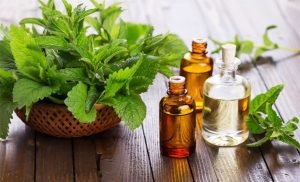
Tea Tree Essential Oil Tea tree oil is often referred to as “medicine cabinet in a bottle,” as it’s ..
-

13 surprising home remedies for acid reflux Before you reach for the heavy-duty, prescription-strength ..
-

Great Burdock The root is used to treat ‘toxic overload’ that result in throat infections and skin ..