
-
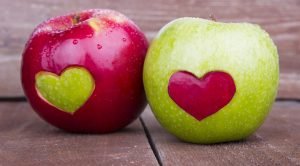
1. Apples Are Nutritious A medium apple is equal to 1.5 cups of fruit. Two cups of fruit daily are recommended ..
-
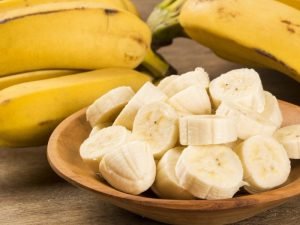
1.Bananas help overcome depression due to high levels of tryptophan, which is converted into serotonin ..
-
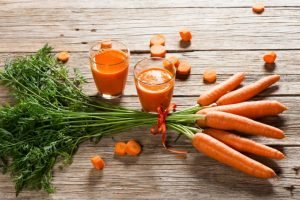
1. Beta carotene: Carrots are a rich source of this powerful antioxidant, which, among other vital uses, ..
-

Tinnitus in the ear can occur due to ear infections, various infections, perforation of the eardrum, ..
-
Comments Off on Pregnancy Calendar – Week 5 of Your Pregnancy

5-week pregnancy “Pregnancy calendar” at week 5: Your baby’s brain is developing. You may feel ..
-
Comments Off on Pregnancy Calendar – Week 4 of Your Pregnancy

4 weeks pregnancy “Pregnancy calendar” at 4th week: A miracle begins! Your baby, now consisting ..
-
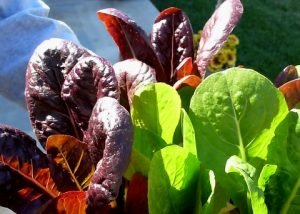
Can a high-fiber diet help prevent colon cancer?
Colon cancer, also called colorectal cancer when the rectum is included, develops through a combination of inherited, environmental, and lifestyle factors. No single food can guarantee protection, yet eating patterns rich in dietary fiber are consistently associated with a lower risk of colorectal cancer.
Fiber is a carbohydrate found in plant foods that the body does not fully digest. It passes through the digestive tract, where some types absorb water and add bulk while others are fermented by gut bacteria. These actions can influence bowel movements, inflammation, intestinal bacteria, and the substances that come into contact with the colon lining.
Research supports making high-fiber foods part of a broader cancer-prevention strategy. The strongest evidence relates to whole grains, vegetables, fruits, beans, lentils, and other minimally processed plant foods. Fiber supplements may help with constipation, but they should not be treated as a substitute for a varied diet or routine cancer screening.
How dietary fiber may protect the colon
Fiber can increase stool bulk and help waste move through the digestive system more efficiently. This may reduce the length of time that potentially harmful compounds remain in contact with the colon wall. Regular bowel movements also help prevent constipation, although constipation itself is not considered a direct cause of colon cancer.
Some fiber reaches the large intestine undigested and is fermented by beneficial gut microbes. This process produces short-chain fatty acids, including butyrate. Butyrate serves as an energy source for cells lining the colon and may support a healthier intestinal environment. Laboratory research also suggests that it can influence inflammation and normal cell growth.
Fiber-rich meals often replace foods linked with a less protective dietary pattern. For example, a meal of beans, vegetables, and brown rice may take the place of processed meat, refined starch, or a high-calorie fast-food meal. This substitution effect matters because colorectal cancer risk is associated with factors such as processed meat intake, excess body weight, alcohol consumption, and low physical activity.
What research says about fiber and cancer risk
Large observational studies generally find that people who eat more dietary fiber have a lower risk of colorectal cancer than those who eat very little. Findings are particularly consistent for fiber from whole grains and cereals. This does not prove that fiber alone prevents cancer, because people with high-fiber diets may also exercise more, smoke less, or consume fewer processed foods.
Health organizations evaluate the total body of evidence rather than relying on one study. Current dietary guidance commonly encourages adults to eat a pattern centered on whole grains, vegetables, fruits, legumes, nuts, and seeds. These foods provide fiber along with vitamins, minerals, polyphenols, and other compounds that may contribute to long-term health.
The amount of benefit can vary according to a person’s baseline diet, genetic risk, age, and other habits. A high-fiber diet may reduce risk without eliminating it. Precancerous polyps can occur in people who eat well, which is why stool tests and colonoscopy remain important tools for early detection and prevention.
Choosing the most useful sources
Different plant foods provide different types of fiber. Soluble fiber forms a gel-like material in the digestive tract and is found in foods such as oats, barley, beans, lentils, apples, and citrus fruits. Insoluble fiber is abundant in wheat bran, many vegetables, and whole-grain products, and it helps add bulk to stool.
Resistant starch, present in foods such as beans, green bananas, and cooked-and-cooled potatoes or rice, can also be fermented by gut bacteria. The health effects of a food depend on its entire nutritional profile, so it is usually more helpful to eat a range of fiber sources than to focus on one isolated type.
Food group Examples Approximate fiber contribution and helpful features Legumes Lentils, chickpeas, black beans, peas Among the richest sources; also provide plant protein and resistant starch Whole grains Oats, barley, brown rice, bulgur, whole-wheat bread Supply fiber, minerals, and protective grain compounds Vegetables Broccoli, carrots, Brussels sprouts, leafy greens Add fiber with relatively few calories and provide varied phytochemicals Fruits Pears, berries, apples, oranges, kiwi Provide fiber, water, and naturally occurring plant compounds Nuts and seeds Almonds, chia, flax, pumpkin seeds Offer fiber along with unsaturated fats and minerals Fresh, frozen, and canned produce can all contribute to a fiber-rich eating pattern. When buying canned beans or vegetables, rinsing them can reduce excess sodium. Juicing removes much of the natural fiber, so whole fruit is generally a better choice than fruit juice for digestive and metabolic health.
How much fiber is enough?
General guidance often uses a target of about 14 grams of fiber per 1,000 calories. For many adults, this corresponds to approximately 25 grams daily for women and 38 grams for men, although individual needs vary. People who currently eat little fiber should increase intake gradually rather than changing suddenly.
A practical routine might include oatmeal with berries at breakfast, a lentil or bean-based lunch, vegetables with dinner, and a piece of whole fruit or a small portion of nuts as a snack. Reaching the target does not require unusual ingredients or expensive products. The key is to include plant foods throughout the day.
Fluids are important when increasing fiber, especially when adding bran, beans, or fiber-rich grains. Water helps fiber move through the digestive tract and may reduce bloating or hard stools. Regular movement can support bowel function as well, while prolonged inactivity may worsen constipation.
People with irritable bowel syndrome, inflammatory bowel disease, intestinal narrowing, or a history of bowel obstruction may need a personalized approach. Some high-fiber foods can aggravate symptoms during a flare. A clinician or registered dietitian can help determine the safest amount and form of fiber.
Building a protective eating pattern
Fiber works within an overall lifestyle rather than as an isolated treatment. A diet that includes vegetables, fruit, legumes, and whole grains while limiting processed meat, excessive red meat, highly refined foods, and sugary drinks is more meaningful than simply adding a fiber powder to an otherwise poor diet.
Maintaining a healthy weight, exercising regularly, avoiding tobacco, and limiting alcohol can further support colorectal health. Adults should follow age- and risk-appropriate screening recommendations even when they have no symptoms. Screening can find polyps before they become cancerous and detect cancer at an earlier, more treatable stage.
Common warning signs include blood in the stool, persistent changes in bowel habits, unexplained weight loss, ongoing abdominal pain, iron-deficiency anemia, or unusual fatigue. These symptoms can have many causes, but they deserve medical assessment rather than self-treatment with dietary changes.
For readers seeking additional health information or wishing to reach the publisher, the site provides contact details. Medical concerns, especially a family history of colorectal cancer, should be discussed with a qualified healthcare professional.
Practical ways to increase fiber safely
A gradual approach makes it easier to reach a higher-fiber intake without excessive gas or discomfort. Add one serving at a time, allow the digestive system to adjust, and pay attention to how particular foods affect symptoms. A food diary can help identify patterns without requiring rigid calorie tracking.
Use food labels to compare products, but remember that a high fiber number does not automatically make a packaged food healthy. Some products contain added fibers, large amounts of sugar, or substantial sodium. Whole or minimally processed foods should make up the foundation of daily meals.
- Replace white bread, white rice, and refined pasta with whole-grain alternatives several times a week.
- Add beans, lentils, or chickpeas to soups, salads, stews, and grain-based meals.
- Keep the edible skins on produce such as apples, pears, potatoes, and carrots when appropriate and well washed.
- Include vegetables at lunch and dinner, aiming for variety in color and type.
- Increase fiber alongside water and regular physical activity to support comfortable digestion.
Supplements such as psyllium can be useful for certain bowel problems, but they do not provide the full range of nutrients and plant compounds found in food. Anyone taking medications should ask a healthcare professional about timing, because some fiber products can affect the absorption of medicines.
Fiber is one part of prevention
A high-fiber diet can support colon health and is associated with a lower risk of colorectal cancer, particularly when the fiber comes from whole grains, legumes, vegetables, fruits, nuts, and seeds. Its possible benefits include improved stool movement, production of beneficial fermentation compounds, and support for a diverse gut microbiome.
The goal is consistency rather than perfection. Swapping a refined grain for a whole grain, adding beans to a meal, or choosing whole fruit instead of juice can create meaningful changes over time. These choices should complement screening and medical care, not replace them.
Start by adding one fiber-rich food to each day and build from there. Combine that habit with appropriate screening, regular activity, and professional guidance when symptoms or risk factors are present to create a practical, evidence-informed approach to colorectal cancer prevention.
-
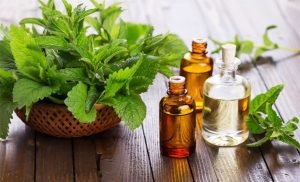
Tea Tree Essential Oil Tea tree oil is often referred to as “medicine cabinet in a bottle,” as it’s ..
-

13 surprising home remedies for acid reflux Before you reach for the heavy-duty, prescription-strength ..
-
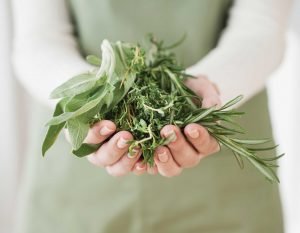
Great Burdock The root is used to treat ‘toxic overload’ that result in throat infections and skin ..