
-

1. Apples Are Nutritious A medium apple is equal to 1.5 cups of fruit. Two cups of fruit daily are recommended ..
-

1.Bananas help overcome depression due to high levels of tryptophan, which is converted into serotonin ..
-

1. Beta carotene: Carrots are a rich source of this powerful antioxidant, which, among other vital uses, ..
-

Tinnitus in the ear can occur due to ear infections, various infections, perforation of the eardrum, ..
-
Comments Off on Pregnancy Calendar – Week 5 of Your Pregnancy

5-week pregnancy “Pregnancy calendar” at week 5: Your baby’s brain is developing. You may feel ..
-
Comments Off on Pregnancy Calendar – Week 4 of Your Pregnancy

4 weeks pregnancy “Pregnancy calendar” at 4th week: A miracle begins! Your baby, now consisting ..
-

Can Cinnamon Help Regulate Blood Sugar Levels
Australia has one of the highest rates of type 2 diabetes in the developed world, with roughly 1.5 million people living with the condition and another estimated 500,000 thought to be undiagnosed. That reality shapes kitchen habits across the country, where pantry staples like rolled oats, Greek yoghurt, and a reliably hot flat-white have long sat alongside a humble jar of ground cinnamon. The spice, once a quiet afterthought in apple cakes and chai, now turns up in countless conversations about glucose control, prediabetes, and metabolic health.
Interest in cinnamon as a functional ingredient is not new. Ayurvedic and traditional Chinese medicine have used various bark preparations for thousands of years, often as a warming digestive aid or to support circulation. Modern researchers began scrutinising the spice seriously in the early 2000s, after a small but widely cited study suggested that cassia cinnamon could meaningfully lower fasting blood glucose in people with type 2 diabetes. The conversation has not stopped since, and the headlines keep returning to one practical question: does this everyday spice actually do what enthusiasts claim?
The short answer is that cinnamon shows real promise in laboratory and animal studies, modest but measurable benefits in many human trials, and some genuine caveats that matter when the spice is taken in larger amounts or alongside prescribed medication. This article looks at the science behind how cinnamon interacts with blood sugar, what Australian shoppers are actually buying when they pick up a tin at Coles, and how to add the spice to a daily routine without overdoing it.
Ceylon Versus Cassia: Reading the Label on Australian Shelves
Most cinnamon sold in Australian supermarkets is not the variety that carries the gentlest reputation. Cassia cinnamon, sourced primarily from Indonesia, China, and Vietnam, dominates the spice aisle at Woolworths, Coles, and Aldi because it is significantly cheaper to produce and has a stronger, more pungent flavour that suits baking. The label usually just reads "cinnamon" or "ground cinnamon," with no further detail, which leaves shoppers guessing about origin and coumarin content.
Ceylon cinnamon, sometimes labelled "true cinnamon" or "Sri Lankan cinnamon," comes from the inner bark of Cinnamomum verum. Its flavour is softer, more floral, and slightly citrusy. The two spices look almost identical once ground, but chemically they behave very differently. Cassia contains high levels of coumarin, a naturally occurring compound that can stress the liver when consumed regularly in larger doses. Ceylon contains only trace amounts, which is why it is often recommended for anyone planning to use cinnamon daily rather than occasionally.
For Australians who want the Ceylon variety, Harris Farm, select organic grocers in Melbourne's inner north and Sydney's eastern suburbs, and online retailers stock it in stick and powder form, usually at a premium of three to five times the price of standard cassia. Some specialty spice shops in Adelaide's Central Market and Brisbane's Jan Powers Farmers Markets also carry fresh-ground batches. Reading the small print, looking for the botanical name Cinnamomum verum, and checking the country of origin are the simplest ways to know what is in the jar.
How Cinnamon Interacts With Glucose in the Body
Researchers have identified several mechanisms by which cinnamon may influence blood sugar regulation, though none of them are powerful enough to replace medication in someone with diagnosed diabetes. One of the most studied compounds is a polyphenol called methylhydroxychalcone polymer, often abbreviated to MHCP. In laboratory experiments, MHCP appears to increase the sensitivity of cell receptors to insulin, allowing glucose to move out of the bloodstream and into tissues more efficiently. In plain terms, it seems to help the body's own insulin work a little better.
Cinnamon is also rich in antioxidants, including flavonoids and phenolic acids, which reduce oxidative stress. Chronic oxidative stress is closely linked to insulin resistance, the underlying driver of prediabetes and type 2 diabetes. By calming that inflammation, the spice may support the metabolic environment in which insulin functions. Some animal studies have also suggested that cinnamon can slow the breakdown of carbohydrates in the digestive tract, blunting the post-meal glucose spike that many people with insulin resistance find hardest to manage.
A further line of research looks at how cinnamon may influence enzymes involved in glucose metabolism, including those that move sugar from the blood into cells for energy. Taken together, these mechanisms offer a plausible biological story. They do not, on their own, prove that sprinkling cinnamon on breakfast will lead to dramatic changes on a blood glucose monitor. The real test is what happens in clinical settings, where diet, exercise, sleep, medication, and stress all interact.
What the Research Actually Shows
The clinical evidence on cinnamon and blood sugar is mixed but leans slightly positive. A 2012 meta-analysis published in Diabetes Care reviewed ten randomised controlled trials and concluded that cinnamon doses of between 120 milligrams and 6 grams per day were associated with modest reductions in fasting blood glucose, along with smaller improvements in total cholesterol and triglycerides. A later review covering twenty-one studies found similar trends, with HbA1c, a longer-term measure of blood sugar, falling by roughly 0.24 percent on average in people supplementing with cinnamon.
Those numbers are encouraging but small. A drop of 0.24 percent in HbA1c is meaningful in research terms but rarely transformative on its own. Many of the studies were short, lasting between four and sixteen weeks, and involved relatively small groups of participants. Some used cassia, others used Ceylon, and the way cinnamon was prepared, whether as powder, extract, or capsule, varied considerably. That makes it hard to give a single, confident recommendation about dose or form.
For Australians managing diabetes or prediabetes, the practical implication is that cinnamon may be a useful addition to a broader lifestyle plan that includes regular movement, a diet built around vegetables, lean proteins, and wholegrains, and the medications prescribed by a GP. Cinnamon alone will not offset a steady intake of lollies, soft drink, or large serves of refined carbohydrate, no matter how many teaspoons end up in the morning smoothie.
Adding Cinnamon to Everyday Australian Meals
Using cinnamon as part of a balanced diet is straightforward, and many Australians are already consuming it without realising. A traditional flat-white or long black does not usually contain cinnamon, but the country's café culture has embraced chai, golden lattes made with turmeric, and cinnamon-dusted cappuccinos, particularly in Melbourne's laneway cafés and Sydney's brunch spots. Those drinks contribute small amounts of the spice, though often paired with sugar or sweetened milk.
In the kitchen, cinnamon slips easily into classic Australian recipes. A teaspoon stirred through natural yoghurt with sliced apple and a tablespoon of psyllium husks makes a low-sugar breakfast that supports stable glucose levels. It works well in savoury dishes too, including Moroccan-style lamb tagines, lentil dals, and roasted pumpkin with chickpeas, all of which feature regularly in modern Australian cookbooks. Cinnamon also pairs naturally with rolled oats, the foundation of many a home-cooked brekkie, and can be added to homemade ANZAC biscuit mixtures to deepen the flavour without extra sugar.
For anyone wanting a more concentrated dose, a cinnamon tea made by simmering one Ceylon stick in water for ten minutes, then straining, can be sipped after meals. Capsules containing Ceylon cinnamon extract are also available through Australian pharmacies and health food stores, generally in doses ranging from 500 milligrams to 2 grams per day. People who already enjoy the spice in food do not need to rush toward supplements, since food sources remain the safest and most enjoyable way to include it.
Safety, Interactions and When to Speak with a GP
Cinnamon is safe for most people when used in normal culinary amounts, but concentrated forms deserve more caution. Cassia cinnamon contains enough coumarin that regular intake above roughly 2 to 5 grams per day has been linked in case reports to liver inflammation. The European Food Safety Authority has set a tolerable daily intake of 0.1 milligrams of coumarin per kilogram of body weight, which an adult weighing 70 kilograms would reach by eating about a teaspoon and a half of cassia cinnamon. Ceylon cinnamon, with its negligible coumarin content, is the safer everyday choice for anyone using the spice daily.
Interactions with medication also matter. Cinnamon may enhance the effect of diabetes drugs such as metformin, insulin, and sulfonylureas, potentially pushing blood sugar too low when combined with high doses. It can also thin the blood mildly, which raises concerns for people already taking warfarin or aspirin. Pregnant women, people with liver conditions, and anyone scheduled for surgery are generally advised to avoid therapeutic doses. These are not reasons to avoid cinnamon sprinkled on porridge, but they are reasons to talk with a healthcare professional before reaching for capsules.
In Australia, complementary medicines that contain cinnamon are regulated by the Therapeutic Goods Administration as listed medicines, which means they must meet quality and labelling standards but are not evaluated for efficacy in the same way that prescription medicines are. Consumers can check the Australian Register of Therapeutic Goods for any product they are considering, and should always let their GP know about supplements alongside prescribed treatments. Used thoughtfully and in sensible amounts, cinnamon fits comfortably into a heart-healthy, glucose-aware way of eating that Australians are increasingly embracing.
-
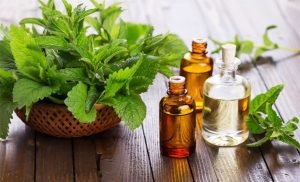
Tea Tree Essential Oil Tea tree oil is often referred to as “medicine cabinet in a bottle,” as it’s ..
-

13 surprising home remedies for acid reflux Before you reach for the heavy-duty, prescription-strength ..
-

Great Burdock The root is used to treat ‘toxic overload’ that result in throat infections and skin ..