
-

1. Apples Are Nutritious A medium apple is equal to 1.5 cups of fruit. Two cups of fruit daily are recommended ..
-
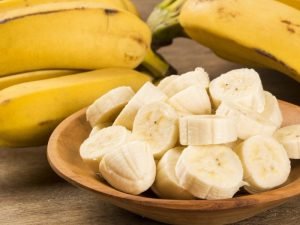
1.Bananas help overcome depression due to high levels of tryptophan, which is converted into serotonin ..
-
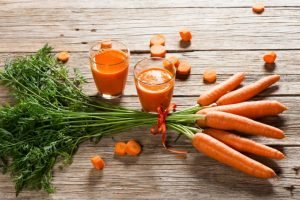
1. Beta carotene: Carrots are a rich source of this powerful antioxidant, which, among other vital uses, ..
-

Tinnitus in the ear can occur due to ear infections, various infections, perforation of the eardrum, ..
-
Comments Off on Pregnancy Calendar – Week 5 of Your Pregnancy

5-week pregnancy “Pregnancy calendar” at week 5: Your baby’s brain is developing. You may feel ..
-
Comments Off on Pregnancy Calendar – Week 4 of Your Pregnancy

4 weeks pregnancy “Pregnancy calendar” at 4th week: A miracle begins! Your baby, now consisting ..
-
Five Herbal Teas And Their Specific Health Benefits
A warm cup of tea can support everyday wellness while adding fluid, plant compounds, and a calming pause to a busy day. Herbal teas are made by steeping leaves, flowers, roots, seeds, or bark in hot water. Their effects vary according to the plant, preparation method, serving size, and a person’s health.
Chamomile, peppermint, ginger, hibiscus, and green tea are among the most widely used choices. Each has a different nutritional and medicinal profile. Chamomile is often associated with relaxation, peppermint with digestive comfort, ginger with nausea relief, hibiscus with cardiovascular support, and green tea with antioxidant activity.
Herbal remedies are not automatically risk-free. Some teas may interact with medicines, affect blood pressure or blood sugar, or be unsuitable during pregnancy and breastfeeding. Tea can complement healthy habits, but it should not replace prescribed treatment or professional medical advice.
Chamomile For Relaxation And Rest
Chamomile tea is prepared from the small, daisy-like flowers of the Matricaria chamomilla or Chamaemelum nobile plants. It contains flavonoids and aromatic compounds, including apigenin, which may interact with brain receptors involved in relaxation. This helps explain why chamomile is traditionally used as a soothing evening beverage.
Research suggests that chamomile may promote better sleep quality, particularly when occasional stress or mild restlessness makes it difficult to settle down. Its gentle flavor and caffeine-free nature make it suitable for a nighttime routine. Some people also drink it when experiencing mild digestive discomfort, as chamomile may have relaxing effects on intestinal muscles.
A typical cup is made by steeping dried flowers in hot water for five to ten minutes. People with allergies to ragweed, chrysanthemums, marigolds, or daisies should use caution because chamomile may trigger an allergic reaction. It can also interact with sedatives and blood-thinning medicines, so regular medicinal use deserves professional guidance.
Peppermint For Digestive Comfort
Peppermint tea is made from the leaves of Mentha × piperita. Its characteristic cooling sensation comes from menthol, a natural compound that may relax smooth muscle in the digestive tract. For this reason, peppermint has long been used as a home remedy for gas, fullness, and occasional indigestion.
The tea may ease abdominal discomfort and provide a refreshing alternative to sweetened drinks. Some of the strongest research concerns enteric-coated peppermint oil rather than peppermint tea, so the effects of a cup may be milder. Still, many people find the infusion helpful after a heavy meal or when mild digestive tension occurs.
Peppermint may worsen heartburn or reflux because it can relax the lower esophageal sphincter, allowing stomach contents to move upward. People with frequent acid reflux should monitor their symptoms carefully. Very concentrated peppermint preparations should also be kept away from infants and young children, particularly around the nose and mouth.
Ginger For Nausea And Inflammation
Ginger tea comes from the rhizome of Zingiber officinale, a plant valued for its spicy flavor and bioactive compounds such as gingerols and shogaols. Fresh ginger slices, dried ginger, or a caffeine-free tea bag can be steeped in hot water. Lemon may be added for flavor, although it does not determine the tea’s medicinal effect.
Ginger is best known for helping relieve certain types of nausea, including mild motion sickness and nausea associated with pregnancy. Some studies have also examined ginger for nausea after surgery or during cancer treatment, although people receiving medical care should discuss its use with their healthcare team. Ginger may support digestion and help reduce a feeling of stomach heaviness as well.
Its anti-inflammatory compounds are being studied for possible benefits in muscle soreness and joint discomfort. A mild infusion is generally well tolerated, but larger amounts may cause heartburn, stomach irritation, or mouth discomfort. Ginger may influence blood clotting and blood pressure, making medical advice important for people taking anticoagulants or blood pressure medication.
Hibiscus For Blood Pressure Support
Hibiscus tea is a ruby-red infusion made from the dried calyces of Hibiscus sabdariffa. It has a pleasantly tart flavor and contains anthocyanins, vitamin C, and other polyphenols. These plant compounds give the drink its deep color and contribute to its antioxidant activity.
Several small studies indicate that regular hibiscus tea consumption may modestly lower blood pressure in some adults with elevated readings. It may also support healthy cholesterol and triglyceride levels, although the evidence is not strong enough to treat cardiovascular disease by itself. Unsweetened hibiscus tea is a useful replacement for sugary beverages.
Because hibiscus can lower blood pressure, it may intensify the effects of antihypertensive drugs. It could also affect blood sugar, so people using diabetes medication should monitor their response. Pregnancy safety has not been established for medicinal amounts, and concentrated hibiscus products should be avoided during pregnancy unless a qualified healthcare professional recommends them.
Green Tea For Antioxidant Protection
Green tea comes from the leaves of Camellia sinensis, the same plant used to make black, white, and oolong tea. It is not technically an herbal tea, but it is commonly included in discussions of wellness teas. Unlike many herbal infusions, green tea naturally contains caffeine as well as catechins, including epigallocatechin gallate, or EGCG.
These polyphenols have antioxidant properties that help protect cells from oxidative stress. Green tea may offer modest support for heart health and may be useful as part of an overall healthy eating pattern. Research on weight management shows small and inconsistent effects, so it should not be viewed as a rapid weight-loss remedy.
Caffeine levels vary according to the tea type, water temperature, and steeping time. Excessive intake may cause restlessness, insomnia, palpitations, or stomach upset. Green tea extract supplements are more concentrated than brewed tea and have been linked to liver problems in rare cases. People who are sensitive to caffeine, pregnant, or taking medication should choose their amount carefully.
Tea Main Plant Compounds Common Wellness Use Important Cautions Chamomile Apigenin and other flavonoids Relaxation, bedtime support, mild digestive comfort Allergies; possible interactions with sedatives and blood thinners Peppermint Menthol and volatile oils Gas, fullness, occasional indigestion May worsen reflux; avoid concentrated products around young children Ginger Gingerols and shogaols Nausea, digestion, inflammatory discomfort Possible heartburn; caution with blood thinners and blood pressure medicine Hibiscus Anthocyanins and polyphenols Antioxidant support and modest blood pressure support May lower blood pressure or blood sugar; pregnancy caution Green tea Catechins and caffeine Antioxidant activity, alertness, general heart-health support Caffeine effects; extracts may carry liver risks How Preparation Changes The Experience
The strength of a tea depends on the amount of plant material, water temperature, and steeping time. Flowers and leaves usually need five to ten minutes in hot water, while sliced ginger root may benefit from a longer steep or gentle simmer. Following the package directions provides a reasonable starting point, especially with commercial blends.
Adding sugar, honey, or flavored syrups can substantially increase calories. A small amount of honey may make tart hibiscus or spicy ginger more enjoyable, but unsweetened tea preserves the drink’s value as a low-calorie option. Herbal infusions can contribute to daily fluid intake, although they do not replace water in every situation.
Quality also matters. Choose products with clear ingredient labels and avoid blends that hide large amounts of proprietary ingredients. Store dried herbs away from heat, light, and moisture. Discard tea that develops an unusual smell, dampness, or visible mold.
Choosing A Tea For Your Needs
The most suitable tea depends on the symptom or wellness goal, as well as personal tolerance. A caffeine-free option may be preferable in the evening, while green tea may be better earlier in the day. Individual responses vary, so starting with one moderate serving makes it easier to notice benefits or unwanted effects.
Tea should be used thoughtfully when a person has a chronic condition or takes regular medication. Blood pressure drugs, diabetes medicines, anticoagulants, sedatives, and some treatments processed by the liver may interact with herbs. Children, older adults, pregnant people, and those preparing for surgery should seek tailored advice before using medicinal amounts.
Practical choices can make a tea routine safer and more useful:
- Select chamomile for a calming, caffeine-free evening drink, unless you have a known daisy-family allergy.
- Try peppermint for occasional gas or post-meal discomfort, but avoid it if reflux symptoms are frequent.
- Use ginger in small amounts for mild nausea, and discuss regular use with a clinician during pregnancy or while taking blood-thinning medication.
- Choose unsweetened hibiscus when seeking a tart, antioxidant-rich drink, while monitoring blood pressure if it is already low or medically treated.
- Drink green tea earlier in the day if you tolerate caffeine, and avoid high-dose green tea extracts without medical supervision.
Building A Balanced Tea Routine
A healthy tea habit works best when it supports sleep, hydration, nutritious meals, movement, and appropriate medical care. One or two cups may be enough to enjoy a plant’s flavor and potential benefits. Drinking several strong infusions each day can increase exposure to active compounds without providing extra advantages.
Keep expectations realistic. Chamomile may help create a restful ritual, but it cannot cure persistent insomnia. Ginger may settle occasional nausea, but repeated vomiting needs evaluation. Hibiscus may contribute to healthier blood pressure readings, but it is not a substitute for prescribed treatment. Green tea contains valuable polyphenols, but its benefits are greatest within a varied diet.
Persistent symptoms deserve attention rather than repeated self-treatment. Seek medical care for severe abdominal pain, chest discomfort, fainting, blood in vomit or stool, unexplained weight loss, difficulty breathing, or symptoms that continue or worsen. A healthcare professional can help determine whether a tea is appropriate alongside an individual treatment plan.
Choose one tea that matches your current wellness goal, prepare it in a moderate strength, and observe how your body responds. By treating herbal infusions as supportive foods and beverages rather than cures, you can enjoy their distinctive flavors and potential health benefits with greater confidence.
-
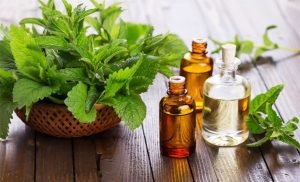
Tea Tree Essential Oil Tea tree oil is often referred to as “medicine cabinet in a bottle,” as it’s ..
-

13 surprising home remedies for acid reflux Before you reach for the heavy-duty, prescription-strength ..
-
Great Burdock The root is used to treat ‘toxic overload’ that result in throat infections and skin ..