
-

1. Apples Are Nutritious A medium apple is equal to 1.5 cups of fruit. Two cups of fruit daily are recommended ..
-
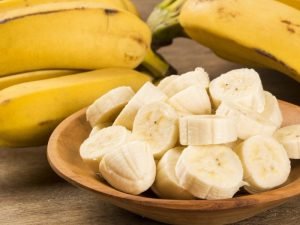
1.Bananas help overcome depression due to high levels of tryptophan, which is converted into serotonin ..
-
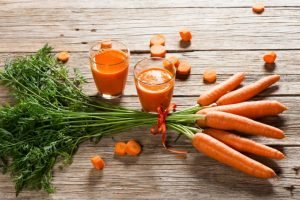
1. Beta carotene: Carrots are a rich source of this powerful antioxidant, which, among other vital uses, ..
-

Tinnitus in the ear can occur due to ear infections, various infections, perforation of the eardrum, ..
-
Comments Off on Pregnancy Calendar – Week 5 of Your Pregnancy

5-week pregnancy “Pregnancy calendar” at week 5: Your baby’s brain is developing. You may feel ..
-
Comments Off on Pregnancy Calendar – Week 4 of Your Pregnancy

4 weeks pregnancy “Pregnancy calendar” at 4th week: A miracle begins! Your baby, now consisting ..
-

Five Fruits That Deliver More Vitamin C Than Oranges
Oranges are widely recognized as a source of vitamin C, but they are not the only fruit that can provide a meaningful amount of this essential nutrient. Several fruits contain substantially more vitamin C per 100 grams, making them useful choices for people who want to support immune function, collagen production, skin health, and iron absorption through everyday foods.
Vitamin C, also called ascorbic acid, is a water-soluble vitamin. The body does not store large amounts of it, so regular intake matters. Fresh fruit can supply vitamin C along with fiber, fluids, natural carbohydrates, potassium, folate, and antioxidant plant compounds.
The exact amount depends on the variety, growing conditions, ripeness, storage, and preparation method. The values below are approximate figures based on commonly reported food-composition data. They are intended to show how these fruits compare with a typical orange rather than provide a guarantee for every piece of fruit.
Why Vitamin C Matters
Vitamin C supports the formation of collagen, a protein involved in healthy skin, blood vessels, bones, cartilage, gums, and wound healing. It also helps the body absorb non-heme iron, the type found in beans, lentils, leafy greens, nuts, seeds, and fortified foods. Pairing a vitamin C-rich fruit with a plant-based meal can therefore be a practical nutrition habit.
The vitamin also contributes to normal immune function and helps protect cells from oxidative stress. Eating fruit will not prevent every infection or replace medical treatment, but a diet that consistently provides enough vitamin C supports general nutritional health.
Adults generally need about 75 milligrams daily for women and 90 milligrams for men, with higher needs during pregnancy, breastfeeding, and smoking. A varied diet can usually meet these amounts. People considering high-dose supplements should speak with a healthcare professional, especially if they have kidney problems, iron-storage disorders, or take regular medication.
Guava Provides A Concentrated Vitamin C Boost
Guava is one of the strongest natural sources of vitamin C among commonly eaten fruits. A 100-gram serving of raw guava may contain roughly 200 to 230 milligrams of vitamin C, several times the amount found in the same weight of orange. One small guava can therefore make a substantial contribution to daily vitamin C intake.
This tropical fruit also supplies dietary fiber, potassium, folate, and carotenoids. Its edible seeds and skin contribute to its fiber content, although some people prefer to scoop out the center or blend the fruit into a drink. Pink-fleshed guava contains lycopene, while white-fleshed varieties tend to have a milder flavor.
Guava can be eaten whole after washing, sliced into fruit salads, added to yogurt, or blended with water and lime. Heating may reduce some vitamin C, so fresh or lightly prepared guava preserves more of the nutrient. If the fruit is unfamiliar, choose one that gives slightly under gentle pressure and has a fragrant aroma.
Acerola Is Exceptionally Rich In Ascorbic Acid
Acerola, also known as Barbados cherry or West Indian cherry, is a small, bright red fruit with an unusually high vitamin C concentration. Depending on the variety and ripeness, 100 grams may provide several hundred milligrams of vitamin C, and some food databases report amounts above 1,000 milligrams. This makes acerola one of the most concentrated fruit sources of ascorbic acid.
The fruit has a tart, slightly sweet taste and is often sold as frozen pulp, juice, powder, or an ingredient in supplements rather than as fresh produce. Acerola powder can be convenient, but products vary considerably in vitamin C content. Some contain added sugar, while others may lose potency during processing or storage.
Because acerola products can be highly concentrated, serving sizes deserve attention. More is not automatically better, and very large amounts of supplemental vitamin C may cause nausea, abdominal cramps, or diarrhea. For most people, a modest serving used as part of a balanced diet is a sensible approach.
Kiwi, Blackcurrants, And Papaya Add Variety
Green kiwi contains about 90 milligrams of vitamin C per 100 grams, while golden kiwi can provide even more. This places kiwi well above orange on a weight-for-weight basis. It also offers fiber, vitamin K, vitamin E, potassium, and a naturally refreshing combination of sweetness and acidity.
Kiwi can be eaten with a spoon, sliced into oatmeal, or added to salads and smoothies. The skin is edible when thoroughly washed, although its texture is not appealing to everyone. People with oral allergy syndrome or latex-fruit syndrome may react to kiwi and should avoid it if it causes itching, swelling, or other symptoms.
Blackcurrants provide approximately 180 milligrams of vitamin C per 100 grams and are also rich in dark-colored anthocyanins. Their intense, tart flavor makes them useful in unsweetened sauces, yogurt, porridge, and frozen fruit mixtures. Papaya contains roughly 60 milligrams per 100 grams, which is modest compared with guava or acerola but still higher than the average orange. It supplies vitamin A precursors, folate, fiber, and a soft texture that works well in breakfast bowls.
Fruit Approximate vitamin C per 100 g Other notable nutrients Simple serving idea Acerola 500–1,600+ mg Carotenoids and polyphenols Use a small amount of pulp or powder Guava 200–230 mg Fiber, potassium, folate, lycopene Eat fresh with the skin Blackcurrants About 180 mg Anthocyanins, fiber, manganese Stir into yogurt or porridge Golden or green kiwi About 90–160 mg Fiber, vitamin E, potassium Slice into breakfast bowls Papaya About 60 mg Carotenoids, folate, fiber Serve with lime or blend into a smoothie Orange About 53 mg Folate, potassium, flavonoids Eat whole rather than relying only on juice How These Fruits Compare With Oranges
A medium orange is a nutritious food and remains an excellent source of vitamin C. Its value should not be dismissed simply because other fruits contain more of the nutrient. Oranges are affordable in many regions, easy to store, naturally hydrating, and rich in fiber when eaten whole. They also provide folate, potassium, and citrus flavonoids.
The comparison is most useful when based on equal weights. A typical serving size can change the picture. A small amount of acerola powder may contain more vitamin C than a whole orange, while a person may eat a larger quantity of papaya or kiwi at one sitting. Nutrition is shaped by the entire meal and eating pattern, not by a single number.
Juice is different from whole fruit. It may provide vitamin C, but it usually contains less fiber and can be easier to consume quickly. Freshly cut fruit also gradually loses vitamin C when exposed to air, light, and heat. Refrigerating cut fruit in a sealed container and eating it promptly helps preserve quality.
Ways To Preserve Their Nutritional Value
Fresh fruit generally provides the most appealing combination of flavor, texture, and nutrients. Wash produce under running water before cutting it, even when the skin will be removed. Cutting fruit just before eating can reduce exposure to oxygen and help retain vitamin C.
Frozen fruit can be a nutritious alternative when fresh options are expensive or unavailable. Freezing usually preserves much of the vitamin C present at the time of processing. Choose products without added sugar and check whether the package contains whole fruit, puree, or a sweetened dessert mixture.
Smoothies can combine several vitamin C sources, but blending does not make a drink automatically healthier. Large smoothies may contain more fruit sugar and calories than a person realizes. Include a reasonable portion of fruit, add unsweetened yogurt or milk if desired, and avoid turning acerola powder or concentrated juice into a high-dose supplement.
Practical Choices For A Vitamin C-Rich Diet
A varied routine is more sustainable than searching for one perfect fruit. Use familiar options such as oranges and kiwi regularly, then add guava, papaya, blackcurrants, or acerola when available. People with diabetes, food allergies, digestive conditions, or prescribed dietary restrictions should account for their individual needs.
Helpful ways to build vitamin C intake include:
- Add sliced kiwi or guava to breakfast instead of relying on sweetened juice.
- Pair papaya, orange, or blackcurrants with beans, lentils, tofu, or leafy greens to support iron absorption.
- Keep frozen blackcurrants or unsweetened acerola pulp available for occasional smoothies.
- Eat fruit soon after cutting it and limit prolonged boiling, which can reduce vitamin C.
- Treat concentrated powders and supplements as products requiring careful serving-size checks.
These fruits can complement a balanced eating pattern that includes vegetables, legumes, whole grains, nuts, seeds, and adequate protein. No individual food cures illness, and vitamin C-rich produce cannot replace evaluation for persistent fatigue, repeated infections, unexplained bruising, or other concerning symptoms.
Choose one fruit that is easy to find, add it to a regular meal, and rotate through the others for different flavors and nutrients. With consistent portions of fresh or frozen produce, vitamin C can become a simple part of everyday healthy living rather than something reserved for cold season.
-

Tea Tree Essential Oil Tea tree oil is often referred to as “medicine cabinet in a bottle,” as it’s ..
-

13 surprising home remedies for acid reflux Before you reach for the heavy-duty, prescription-strength ..
-

Great Burdock The root is used to treat ‘toxic overload’ that result in throat infections and skin ..