
-
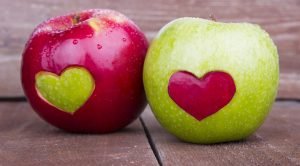
1. Apples Are Nutritious A medium apple is equal to 1.5 cups of fruit. Two cups of fruit daily are recommended ..
-
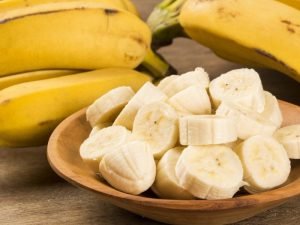
1.Bananas help overcome depression due to high levels of tryptophan, which is converted into serotonin ..
-
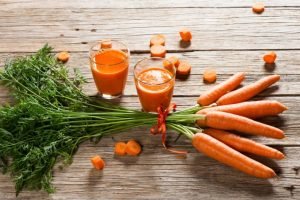
1. Beta carotene: Carrots are a rich source of this powerful antioxidant, which, among other vital uses, ..
-

Tinnitus in the ear can occur due to ear infections, various infections, perforation of the eardrum, ..
-
Comments Off on Pregnancy Calendar – Week 5 of Your Pregnancy

5-week pregnancy “Pregnancy calendar” at week 5: Your baby’s brain is developing. You may feel ..
-
Comments Off on Pregnancy Calendar – Week 4 of Your Pregnancy

4 weeks pregnancy “Pregnancy calendar” at 4th week: A miracle begins! Your baby, now consisting ..
-
Herbal teas for menstrual cramp relief
Herbal teas that may help relieve menstrual cramps have become a common part of period care, particularly for people who prefer a warm drink before bed or during a workday. Menstrual pain commonly results from prostaglandins that trigger uterine contractions and temporarily reduce blood flow. A warm infusion may soothe tension, while certain botanical ingredients may have anti-inflammatory or muscle-relaxing effects that ease discomfort.
Evidence for tea is more modest than evidence for heat therapy or conventional pain medicines. Ginger has the clearest direct signal in small clinical studies, while chamomile is better known for relaxation and digestive discomfort. Fennel, peppermint and cinnamon appear in traditional formulas, although their effects on menstrual pain are less certain. The best choice depends on the symptoms being targeted and the strength of the preparation.
Tea can also fit easily into routines that support hydration and rest. Australian households often keep a mug beside the laptop, carry a travel flask on a commute or choose iced tea during a warm afternoon. This makes infusions appealing for regular use. It also means ingredient labels matter: concentrated extracts and essential oils have different strengths and safety profiles from an ordinary tea bag.
Safety matters because menstrual symptoms can sometimes reflect a condition that needs medical assessment. Tea may ease discomfort while the underlying cause is investigated, especially if the pain is new, severe or worsening. People who are pregnant, taking anticoagulant or antiplatelet medicines, or managing diabetes, epilepsy or hormone-sensitive conditions should ask a clinician or pharmacist before using medicinal quantities of herbs.
What the evidence actually suggests
Most clinical studies have tested standardized powders, capsules or extracts rather than supermarket tea bags. That distinction is important because a cup of ginger infusion may contain a different and sometimes much smaller dose than the preparation used in a trial. Warmth and the ritual of drinking can also make a person feel better without identifying a strong medicinal effect.
Ginger currently has the strongest research signal among common teas for primary dysmenorrhea. Small studies suggest that taking standardized ginger around the start of a period may reduce pain intensity and duration. The proposed actions include reducing inflammatory signalling and discouraging excessive platelet aggregation. These findings are promising, but they do not establish that every ginger blend works equally well.
Chamomile’s evidence is more indirect. Its flavonoids, including apigenin, are being studied for anti-inflammatory and calming effects, but most research has not focused on menstrual cramps. People who find cramping worse during stress may still find a mild chamomile infusion relaxing. For individual questions about suitable ingredients and interactions, Healthy Life Live’s health advice contact can help readers identify when tea-based measures are appropriate.
Tea choices and their main actions
Ginger tea is the most straightforward option for someone interested in a direct approach to period pain. Gingerols and shogaols may influence inflammatory pathways, while the warmth can ease the abdominal discomfort that accompanies cramps. Tea strengths vary considerably, so a mild infusion is a reasonable starting point. Larger doses can cause reflux, mouth irritation or stomach upset, and concentrated ginger supplements should be discussed with a clinician.
Chamomile may be useful when pain is accompanied by tension, restlessness or an unsettled stomach. It is generally mild and caffeine-free when sold as a pure flower infusion. Fennel has a longer history as an antispasmodic and carminative herb, and some small studies have reported reduced menstrual discomfort. However, fennel preparations are not consistently standardised. Swallowing concentrated fennel essential oil is not the same as drinking fennel tea and should be avoided unless specifically advised by a qualified professional.
Peppermint is better understood for relaxing digestive smooth muscle than for treating uterine pain, so it may be more helpful when bloating is the main accompanying symptom. Cinnamon has appeared in small menstrual-pain studies, but evidence remains limited, and medicinal amounts may affect blood sugar or bleeding risk. Blended sleep teas can also contain black tea, valerian or other substances with their own effects, so the full ingredient list deserves a careful check.
Finding and brewing tea in Australia
Herbal teas are widely available in Australian supermarkets, including Coles, Woolworths and IGA, as well as through independent tea shops and online retailers. Chamomile, peppermint, ginger and fennel blends are common, with single-serving bags convenient for offices and travel. In Sydney’s humid summer, iced tea may be more appealing, while Melbourne’s changeable seasons see many people move between iced preparations and warm mugs throughout the year.
Regulation depends on how a product is presented. Under Australian rules, a product making a medicinal claim about menstrual pain may be considered a therapeutic good and regulated by the Therapeutic Goods Administration. Consumers can search the Australian Register of Therapeutic Goods and check for an AUST L or AUST R identifier where applicable. Registration confirms regulatory status, but it is not a guarantee that a preparation will suit every person or every type of pain. Food labels and therapeutic-goods warnings should both be read before use.
A reliable method matters more than an elaborate recipe. Follow the directions supplied with the tea, use one tea bag or the stated amount of loose herb, and cover the cup while it steeps to retain volatile oils. Most ordinary infusions need only hot water and several minutes of steeping; boiling the leaves for a long period can produce bitterness without evidence of greater benefit. Tea labelled for sleep should be consumed well before driving, and blends containing black tea will provide caffeine.
Pairing tea with other period care
Tea is most useful as one part of a broader routine. A comfortably warm heat pack can relax the lower abdomen, and some trials suggest that heat may be as helpful as ibuprofen for primary menstrual cramps. Gentle walking, stretching or yoga can also reduce tension and improve blood flow. Tea should be warm rather than scalding, and a heat pack should be wrapped and never used while sleeping.
Some people also use an over-the-counter pain medicine when cramps are moderate or severe. Ibuprofen and naproxen can be appropriate for some adults, while paracetamol may help general pain but does not target menstrual prostaglandins in the same way. Labels, health conditions and other medicines need to be considered. A pharmacist can advise about suitable products, timing and interactions, particularly when someone takes blood thinners, has kidney disease, has stomach ulcers or is pregnant.
Keeping a simple record makes it easier to judge whether a tea is helping. Note the tea, amount, timing, pain score and associated symptoms such as bloating or nausea. Readers can also explore My First for Women for women’s health information and period-tracking support. A diary cannot diagnose endometriosis, adenomyosis or fibroids, but it can provide useful information for a GP consultation.
A practical routine for cramp relief
A consistent routine is easier to maintain than adding several remedies at once. The following approach allows tea to be tested without overlooking other effective or necessary care.
- Choose one tea based on the main symptom: ginger for period pain, chamomile for tension, or peppermint when bloating dominates, and avoid changing several blends simultaneously.
- Begin with a mild infusion once or twice daily around menstruation, following the package directions rather than increasing the amount in anticipation of stronger pain.
- Brew the tea in a covered cup, allow it to cool to a comfortable drinking temperature and sip it slowly, especially if nausea or reflux is also present.
- Add gentle lower-abdominal heat with a wrapped hot water bottle for 15 to 20 minutes, taking care to prevent burns and never sleeping with a heating device.
- Keep fluid intake steady and avoid replacing meals with tea; regular meals and iron-containing foods may be particularly important when periods are heavy.
- Combine the drink with gentle movement, regular sleep and planned rest, since muscle tension and poor sleep can make cramping feel more intense.
- Track the response for two or three cycles and review any tea with a pharmacist if it is used alongside medicines, during pregnancy or alongside a worsening health condition.
Persistent pain deserves attention even when tea provides some relief. Medical review is advisable if cramps are severe enough to prevent normal activities, occur between periods or during sex, become progressively worse, or are accompanied by fever, vomiting, fainting or heavy bleeding. Soaking through a pad or tampon every hour for several hours, new one-sided pain, or possible pregnancy also needs prompt assessment. Urgent symptoms warrant calling 000, while Healthdirect on 1800 022 222 can provide nurse advice for non-emergency concerns across Australia.
-
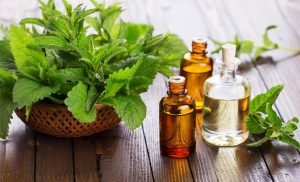
Tea Tree Essential Oil Tea tree oil is often referred to as “medicine cabinet in a bottle,” as it’s ..
-

13 surprising home remedies for acid reflux Before you reach for the heavy-duty, prescription-strength ..
-
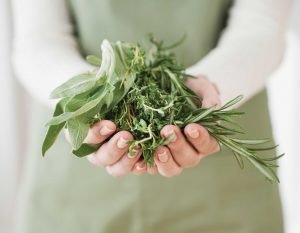
Great Burdock The root is used to treat ‘toxic overload’ that result in throat infections and skin ..