
-

1. Apples Are Nutritious A medium apple is equal to 1.5 cups of fruit. Two cups of fruit daily are recommended ..
-

1.Bananas help overcome depression due to high levels of tryptophan, which is converted into serotonin ..
-
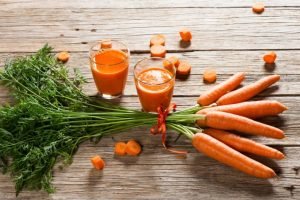
1. Beta carotene: Carrots are a rich source of this powerful antioxidant, which, among other vital uses, ..
-

Tinnitus in the ear can occur due to ear infections, various infections, perforation of the eardrum, ..
-
Comments Off on Pregnancy Calendar – Week 5 of Your Pregnancy

5-week pregnancy “Pregnancy calendar” at week 5: Your baby’s brain is developing. You may feel ..
-
Comments Off on Pregnancy Calendar – Week 4 of Your Pregnancy

4 weeks pregnancy “Pregnancy calendar” at 4th week: A miracle begins! Your baby, now consisting ..
-

Home remedies for reducing fever without medication in adults
An adult fever is usually the immune system responding to an infection. A reading around 38°C or above is commonly treated as fever in adults, although the measurement site and individual pattern matter. Drug-free home care can ease thirst, headache, body aches, and general overheating, but it does not identify the cause, destroy a virus or bacterium, or reliably reset core temperature. The practical aim is comfort, hydration, and safe observation.
Start with a digital thermometer, fluids, light clothing, and rest. Keep the room comfortably cool rather than cold, and replace sweat with small, frequent drinks. Simple measures such as tepid sponging are mainly useful for comfort; a temporary drop on the skin does not always mean the fever itself has been treated. It is sensible to track symptoms and temperature while giving the body time to respond.
These approaches are appropriate when the adult is alert, drinking, and otherwise improving. They are not a reason to delay care for confusion, breathing difficulty, severe dehydration, a non-blanching rash, or other warning signs. A high or persistent fever may also need assessment, particularly in pregnancy, advanced age, immune suppression, or significant long-term illness. Home care should support professional advice rather than replace it when risk is higher.
Understand the fever before treating the number
Fever is a symptom rather than a disease. Influenza, COVID-19, a urinary infection, gastroenteritis, and many other infections can produce it, and the pattern of symptoms often matters more than one reading. During a cold or viral illness, some fever may help the immune system. Lowering every degree aggressively can therefore be less useful than controlling discomfort and avoiding dehydration.
Because medicines are not being used, observation becomes more important. Note when the fever began, the highest reading, new symptoms, recent travel or exposure, and whether fluids are being tolerated. Recheck at sensible intervals rather than repeatedly, following the thermometer instructions. A fever that returns or climbs after initial improvement also deserves attention, especially if it lasts more than about three days.
A low-grade temperature during a familiar viral illness may be managed at home with fluids and rest. A very high fever, one approaching 40°C, or a fever accompanied by marked lethargy or rapidly worsening symptoms should be reviewed promptly. Adults who are frail or immunocompromised may need assessment at a lower threshold than otherwise healthy adults.
Restore fluids and choose tolerable food
Water is the simplest fluid, and frequent small sips are usually easier to manage than trying to drink large amounts quickly. Oral rehydration salts sold at an Australian chemist can be useful when fever is accompanied by vomiting or diarrhoea; prepare them exactly as directed and discard the solution after the stated period. Broth, diluted juice, and oral rehydration drinks can also contribute fluid, while alcohol and energy drinks should be avoided during an acute illness.
Dehydration can make fever feel worse and may develop before it is obvious. Warning signs include a dry mouth, dizziness on standing, reduced urination, dark urine, confusion, and a rapid heartbeat. An adult who cannot keep fluids down, passes very little urine, or seems confused may need urgent medical assessment rather than unlimited home sipping. Small amounts taken consistently are generally more useful than forcing large volumes.
Food is secondary to fluids when appetite is poor, but some nourishment supports recovery. Easy options include porridge, soup with vegetables, toast, rice dishes, yoghurt, bananas, and scrambled eggs. In Australia, a simple bowl of soup or a slice of toast with sliced fruit is often easier to prepare than a full meal. Avoid forcing food, restricting fluids, or fasting during the illness; resume a balanced diet as the appetite returns.
Cool the body without increasing discomfort
Begin by removing excess layers and wearing loose, breathable cotton clothing. Change damp clothing or bedding promptly. A light cotton sheet and a comfortably cool room may be enough. During a Melbourne weather swing, layering can help without exposing the person to either winter cold or summer heat. In hot and humid parts of northern Queensland, outdoor temperature does not explain an internal fever, so indoor cooling and hydration remain important.
Tepid sponging may provide temporary comfort. Use lukewarm rather than cold water, sponge exposed skin gently, and dry afterward. Focus on the neck, forehead, armpits, and areas where clothing traps heat. Stop if the person becomes cold, clammy, or starts shivering. A fan may make the air feel more comfortable, but it should not be directed forcefully at the person for long periods.
Never use an ice bath, apply ice directly to the skin, or pour alcohol over the body. These approaches can cause dangerous chilling, skin injury, and shivering, which may raise core temperature. Cold showers and freezing compresses are also unsuitable. The goal is to remove excess warmth while avoiding the discomfort and physiological stress that can accompany sudden cold exposure.
Use comfort measures with realistic expectations
Rest lowers the demands placed on the body, although the person may need to lie down without sleeping. Keep activities minimal, offer fluids regularly, and reduce noise and bright light where possible. In Australian conversation, someone who is “feeling crook” or “flat” may still be managing a significant fever. Persistent weakness, reduced concentration, or difficulty staying upright should not be dismissed as ordinary tiredness.
Herbal remedies have limits. There is no well-established herbal preparation proven to cure a fever or safely eliminate its underlying cause. Feverfew may cause mouth ulcers and can interact with blood thinners, while echinacea can provoke allergic reactions and may interfere with autoimmune treatment. Ginger tea may settle mild nausea, and honey can soothe a cough, but neither reliably lowers fever. Concentrated supplements and essential oils should not be swallowed unless a qualified professional confirms that they are appropriate.
Other remedies can make the person more comfortable without directly changing the fever. A cool cloth placed over the forehead, calm company, and easy-to-eat meals may help. A pharmacist at a local chemist can advise on suitable rehydration products and check whether an existing medicine, supplement, or health condition creates a safety concern. If discomfort remains severe, discussing paracetamol or ibuprofen may be safer than relying on increasingly aggressive cooling measures.
A practical plan for the next day
A simple routine makes drug-free fever management easier to follow and gives another person useful information if the situation changes.
- Record the temperature, symptoms, fluid intake, and relevant exposures at sensible intervals.
- Offer small, frequent drinks and keep a full glass or bottle of water within easy reach.
- Use breathable clothing, comfortable bedding, and lukewarm sponging only as needed for relief.
- Prepare light meals that can be eaten immediately, even when appetite is limited.
- Avoid ice baths, alcohol rubs, strong cooling drinks, and unproven herbal combinations.
- Ask someone to check in regularly, especially if the fever returns, the person lives alone, or support at home is uncertain.
The aim is to make the adult comfortable while keeping watch for deterioration. Keep a written note if there is more than one caregiver, and mention any medicines already being taken when seeking advice. Leaving supplies such as a thermometer, oral rehydration salts, water, and simple food ready can prevent a minor fever from becoming unnecessarily disruptive.
Recognise when professional care is needed
Contact a general practitioner if the fever is severe, worsening, or persists beyond roughly three days, or if the person cannot maintain fluids. Early review is also appropriate for an adult who is pregnant, has weakened immunity, lives with a major chronic illness, or seems much more unwell than a previous fever. Many suburban and regional clinics offer bulk-billed Medicare appointments, although not every practice or service is free, so reception can explain any charge before the consultation.
Call 000 for breathing difficulty, chest pain, confusion, a seizure, severe headache with a stiff neck, a non-blanching rash, blue lips, fainting, or signs of severe dehydration. Do not wait for the fever itself to reach an extreme temperature when these symptoms are present. Sudden deterioration requires emergency assessment, even if the person has previously seemed comfortable.
Healthdirect provides nurse advice on 1800 022 222, including after-hours guidance when a local GP is unavailable. A chemist can also answer questions about rehydration products and interactions, while a GP can assess whether an examination, blood tests, or prescribed treatment are needed. Seeking professional advice does not mean home measures were inappropriate; it means the illness has moved beyond uncomplicated supportive care.
For a pregnant adult, fever warrants same-day clinical advice rather than home experimentation. The site’s pregnancy week 30 guidance provides useful context about late-pregnancy nutrition and preparation, but it does not replace assessment of the fever or any infection. The safest fever strategy is measured support for comfort and hydration, combined with prompt medical review whenever warning signs or high-risk circumstances appear.
-
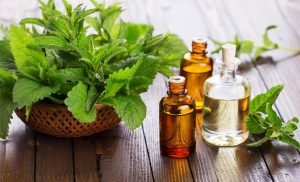
Tea Tree Essential Oil Tea tree oil is often referred to as “medicine cabinet in a bottle,” as it’s ..
-

13 surprising home remedies for acid reflux Before you reach for the heavy-duty, prescription-strength ..
-
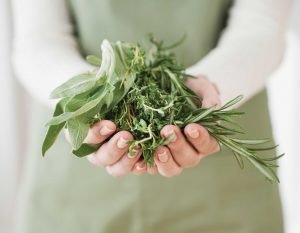
Great Burdock The root is used to treat ‘toxic overload’ that result in throat infections and skin ..