
-

1. Apples Are Nutritious A medium apple is equal to 1.5 cups of fruit. Two cups of fruit daily are recommended ..
-

1.Bananas help overcome depression due to high levels of tryptophan, which is converted into serotonin ..
-
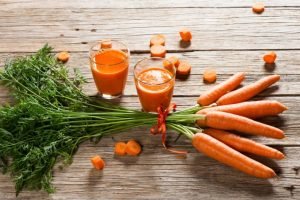
1. Beta carotene: Carrots are a rich source of this powerful antioxidant, which, among other vital uses, ..
-

Tinnitus in the ear can occur due to ear infections, various infections, perforation of the eardrum, ..
-
Comments Off on Pregnancy Calendar – Week 5 of Your Pregnancy

5-week pregnancy “Pregnancy calendar” at week 5: Your baby’s brain is developing. You may feel ..
-
Comments Off on Pregnancy Calendar – Week 4 of Your Pregnancy

4 weeks pregnancy “Pregnancy calendar” at 4th week: A miracle begins! Your baby, now consisting ..
-

Home remedies for joint pain and stiffness naturally
Joint pain and stiffness can make ordinary Australian routines, from walking to work to gardening, feel harder. The medical term for joint pain is arthralgia, and it may come from osteoarthritis, injury, gout, inflammatory disease, or strain in nearby muscles and tendons. Home remedies for relieving joint pain and stiffness naturally can improve comfort and mobility, but they are not universal cures. Identifying the likely cause helps prevent the wrong treatment from aggravating symptoms.
Most short-lived discomfort responds well to conservative care. Gentle movement, temporary activity modification, heat or cold, and supportive footwear are usually safer starting points than relying on medicinal herbs alone. Strength training and gradual aerobic activity may also reduce stress on vulnerable joints. However, persistent or unexplained pain deserves assessment because arthritis, gout, infection, vitamin deficiencies, and autoimmune conditions can require different treatments.
Australian lifestyles can contribute to stiffness. Long drives, desk work, standing at school pickups, gardening, and recreational activities such as golf or football place different demands on the body. Warm coastal or parkland walks in Sydney, Melbourne, and Brisbane can support movement, although people should adjust distance and intensity to their symptoms. Supermarkets and pharmacies commonly stock ginger, turmeric, omega-3 supplements, heat packs, and topical pain products, making it easy to try several options without medical advice.
Natural does not automatically mean safe, and the law reflects that distinction. The Therapeutic Goods Administration regulates therapeutic goods in Australia, and many complementary medicines appear on the Australian Register of Therapeutic Goods with an AUST L number. This listing does not mean a product has been proven to treat arthritis or is suitable for every person. People taking prescription medicines, pregnant or breastfeeding, preparing for surgery, or managing another health condition should check with a pharmacist or doctor before using concentrated herbal preparations.
Heat, movement and gentle recovery
Warmth can relax tight muscles and make movement more comfortable. A warm shower, heat pack, or gently heated towel may ease stiffness in an arthritic knee, hip, or hand. Apply heat for about 15 to 20 minutes, protect the skin, and avoid sleeping on a heating pad. People with reduced sensation, poor circulation, diabetes, or nerve damage should seek advice first. A recently injured joint with marked swelling may respond better to cold applied through a cloth for short periods.
Stiff joints often move more freely after gentle activity. Range-of-motion exercises, a slow walk, water aerobics, or cycling can reduce stiffness without placing substantial weight through the joints. Begin with a few minutes and increase gradually. Mild discomfort that settles within a day may be acceptable, but sharp pain, increasing swelling, or symptoms that last longer than 24 hours indicate that the activity or intensity should be reduced.
Recovery should balance movement with protection. Avoid prolonged inactivity, heavy lifting, or repeated actions that provoke pain, but do not immobilise a joint unless a clinician recommends it. Gentle massage and slow stretching may help surrounding muscles relax. A physiotherapist can also provide loading advice, strengthening exercises, and treatment for stiffness that keeps returning or restricts normal movement.
Food-based approaches for joint comfort
A varied eating pattern is more useful than any single “joint-friendly” food. Australian dietary guidance encourages vegetables, fruit, legumes, whole grains, nuts, dairy or fortified alternatives, and regular servings of protein. Olive oil, oily fish, nuts, seeds, and colourful plant foods provide nutrients that support general health and may help manage weight. Such a pattern does not reverse established joint damage, but it can support better recovery and reduce pressure on the hips and knees.
Turmeric and ginger are popular culinary ingredients for pain relief. Both have anti-inflammatory activity, and small studies suggest curcumin, a compound in turmeric, may provide modest short-term relief for some people with knee osteoarthritis. Results vary, and turmeric used in food is much less concentrated than many supplements. Adding it to meals may be a reasonable option for someone who enjoys the taste, while people considering capsules should consider the dose and possible interactions.
Omega-3 fats from fish may modestly improve some inflammatory joint symptoms, although evidence is mixed. Two or three servings of oily fish each week, if appropriate, can contribute to a balanced diet. Extreme elimination diets, fasting challenges, and “detox” plans are unlikely to treat arthritis and may lead to inadequate nutrition. Maintaining a healthy weight, where relevant, is one of the most reliable ways to reduce load on painful joints, but gradual dietary changes are more sustainable than rapid weight loss.
Herbal preparations and supplement safety
Topical preparations can act locally with fewer whole-body effects. Capsaicin, extracted from chilli peppers, may reduce pain signalling in osteoarthritis when used consistently according to the label. It can initially cause burning or redness, so test a small area and avoid eyes, irritated skin, and broken skin. Warm rubs and medicated gels may provide temporary comfort, while arnica products have limited evidence and can trigger allergic reactions in sensitive people.
Concentrated turmeric and ginger products require more caution than culinary amounts. Curcumin supplements may cause nausea, reflux, or stomach discomfort, and some formulations are difficult to absorb. Ginger can also affect digestion and blood clotting. Combining several supplements increases the risk of taking an excessive dose, particularly when a product also contains black pepper extract to increase absorption. Pregnancy, liver or gallbladder disease, and the use of anticoagulants or diabetes medicines are additional reasons to obtain professional advice.
Australian consumers should compare labels rather than assume similarly named products are equivalent. Check the active ingredient, dose, warnings, batch number, and AUST L status where applicable, and avoid products making guaranteed claims that a herb can rebuild cartilage or cure arthritis. A pharmacist can review medicines for duplication and interactions. Supplements should complement—not replace—appropriate medical treatment, especially for inflammatory arthritis or a joint that remains hot and swollen.
Daily habits that support mobility
Footwear has a direct effect on how the hips, knees, and ankles work. Supportive, closed-toe shoes can be useful during long days of walking or standing, while worn-out soles or shoes that make the feet slide may alter posture. Many Australians alternate between work shoes, thongs, running shoes, and casual footwear; choosing comfort and stability for the activity is often more important than following a trend. Orthoses may help some people, but they should match the problem rather than be purchased automatically.
Regular activity should include both aerobic movement and muscle strengthening. Walking, swimming, dancing, and water exercise are practical options, while resistance bands, bodyweight exercises, or light weights help muscles support the joints. Building strength two days each week and progressing slowly is more valuable than an intensive burst followed by days of inactivity. People with advanced arthritis, recent surgery, or substantial instability should obtain an individual exercise plan from a qualified physiotherapist.
Pacing, sleep, and fall prevention also influence morning stiffness and function. Spreading demanding household tasks across the day reduces repeated strain, while a consistent sleep schedule helps the body recover from activity. Muscle weakness and poor balance increase the risk of falls, particularly in older adults. Removing trip hazards, using a stable handrail, and treating vision or balance problems can protect already painful joints from further injury.
Useful routines and signs that need medical attention
A simple daily routine can make natural symptom management more consistent and easier to monitor.
- Begin with slow range-of-motion exercises, moving each stiff joint only through a comfortable range and avoiding forceful stretches.
- Use a warm shower or heat pack for 15 to 20 minutes before activity, and apply a wrapped cold pack briefly afterwards if the joint feels irritated.
- Take a short low-impact walk, use a pool, or complete a gentle strength routine on most days, increasing duration gradually.
- Wear supportive footwear, pace household tasks, and keep a record of symptoms, activity, sleep, and any medicines or supplements being used.
Persistent symptoms should not be managed only with household preparations. Some patterns require urgent or prompt professional review.
- A red, hot, or very swollen joint, particularly with fever, chills, or inability to bear weight, needs same-day medical assessment.
- Severe pain after a fall or sporting injury, an obviously deformed joint, or sudden loss of function warrants urgent evaluation.
- New weakness, numbness, or loss of bladder or bowel control requires emergency care rather than home treatment.
- Night pain, continuing swelling, unexplained weight loss, repeated attacks, or symptoms lasting several weeks should be discussed with a general practitioner.
A GP can assess the joint, investigate possible causes, and coordinate treatment with a physiotherapist, podiatrist, rheumatologist, or other appropriate clinician. Depending on the diagnosis, care may involve pain relief, supervised exercise, medication, weight management, or specialist treatment. Once the cause is clear, combining suitable home care with clinical advice offers the most dependable route to less pain, improved mobility, and better protection of the joints.
-
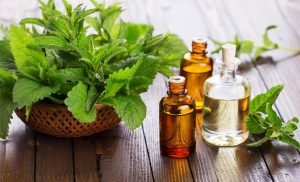
Tea Tree Essential Oil Tea tree oil is often referred to as “medicine cabinet in a bottle,” as it’s ..
-

13 surprising home remedies for acid reflux Before you reach for the heavy-duty, prescription-strength ..
-
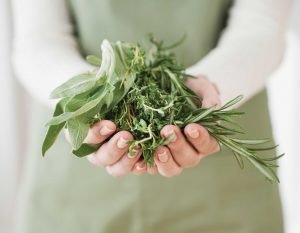
Great Burdock The root is used to treat ‘toxic overload’ that result in throat infections and skin ..