
-
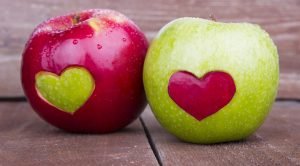
1. Apples Are Nutritious A medium apple is equal to 1.5 cups of fruit. Two cups of fruit daily are recommended ..
-
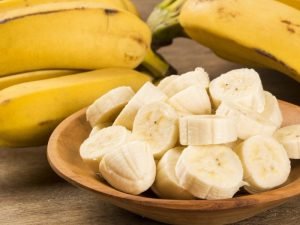
1.Bananas help overcome depression due to high levels of tryptophan, which is converted into serotonin ..
-
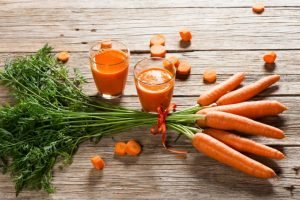
1. Beta carotene: Carrots are a rich source of this powerful antioxidant, which, among other vital uses, ..
-
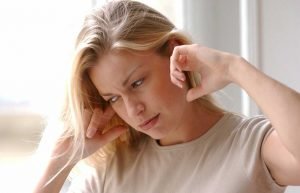
Tinnitus in the ear can occur due to ear infections, various infections, perforation of the eardrum, ..
-
Comments Off on Pregnancy Calendar – Week 5 of Your Pregnancy
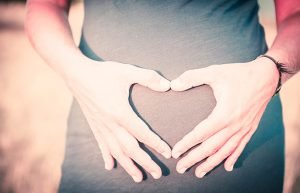
5-week pregnancy “Pregnancy calendar” at week 5: Your baby’s brain is developing. You may feel ..
-
Comments Off on Pregnancy Calendar – Week 4 of Your Pregnancy

4 weeks pregnancy “Pregnancy calendar” at 4th week: A miracle begins! Your baby, now consisting ..
-
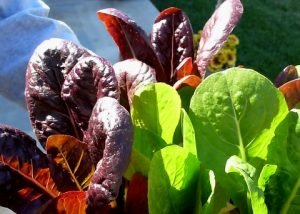
Gentle Ways To Ease Menstrual Cramps Without Medication
Menstrual cramps, also called dysmenorrhoea, happen when the uterus contracts to shed its lining. The discomfort may feel like a dull ache, pressure, or sharp pain in the lower abdomen, and it can spread to the back or thighs. Some people also experience nausea, loose bowel movements, headaches, tiredness, or dizziness.
For mild to moderate period pain, simple home measures can sometimes reduce muscle tension and make daily activities more manageable. Heat, gentle movement, rest, hydration, and calming routines are practical options for people who prefer to avoid pain relief tablets or cannot take them.
Symptoms vary widely from cycle to cycle. A remedy that helps during a Melbourne winter may be less appealing during a hot Brisbane summer, while someone working long shifts in Sydney may need discreet strategies away from home. Keeping track of symptoms can help identify which approaches provide the most reliable relief.
Understanding What Causes Period Pain
During menstruation, the uterus releases natural chemicals called prostaglandins. These encourage uterine contractions, which help remove the lining but may also temporarily reduce blood flow to the muscle. Higher prostaglandin activity is often associated with stronger cramps, nausea, and bowel changes.
Pain commonly begins shortly before bleeding or during the first day of a period and improves within two or three days. Mild cramps are usually manageable, but severe pain that interferes with school, employment, sleep, exercise, or relationships deserves medical attention rather than repeated self-treatment.
A symptom diary can record the first day of bleeding, pain intensity, flow, digestive symptoms, mood, sleep, and remedies used. A notes app or paper calendar works well. This information can be useful when speaking with an Australian GP, particularly if the pattern changes over time.
Use Heat To Relax Tight Muscles
A warm pack placed over the lower abdomen or lower back is one of the simplest non-drug approaches for menstrual discomfort. Heat may relax tense muscles, increase local circulation, and reduce the brain’s perception of pain. A warm shower or bath can provide a similar soothing effect.
Use a heat pack wrapped in a towel rather than placing a very hot item directly on the skin. Check the skin regularly, avoid falling asleep with an electric heat pad switched on, and follow the manufacturer’s instructions. A warm water bottle can be helpful at home, while a reusable microwavable pack may be convenient for travel or work.
Australian chemists and supermarkets commonly stock wheat packs, hot-water bottles, and reusable heat pads. On a cool evening in Canberra or Hobart, pairing gentle warmth with loose clothing and a comfortable resting position may ease abdominal tension. Heat should feel soothing, never painful or intensely hot.
Try Gentle Movement And Stretching
Staying completely still can sometimes make muscles feel tighter. Slow walking, light cycling, gentle swimming, or relaxed stretching may improve circulation and reduce stiffness. The aim is comfort rather than fitness performance, so reduce the intensity if movement increases pain, dizziness, or bleeding.
Useful positions include lying on the side with a pillow between the knees, resting on the back with knees supported, or gently drawing one knee at a time towards the chest. Cat-cow movements, child’s pose, and slow pelvic tilts may also relieve pressure for some people. Breathe steadily and stop if a stretch feels sharp.
Short walks can be realistic when a full workout feels impossible. A stroll around a local park in Adelaide or along a quiet suburban street may provide fresh air as well as mild movement. During very hot weather in parts of Western Australia or Queensland, exercise early in the morning, stay hydrated, and avoid overheating.
Support Your Body With Food And Fluids
Regular meals can help prevent the weakness and irritability that may accompany a painful period. Include foods containing iron, magnesium, calcium, protein, and complex carbohydrates, such as leafy greens, legumes, eggs, yoghurt, tofu, oats, wholegrain bread, nuts, seeds, and fish. These foods support general health, although no single ingredient is a guaranteed cure for cramps.
Some people feel better when they reduce very salty packaged foods, which may contribute to bloating, and limit excess caffeine if it makes anxiety, breast tenderness, or stomach discomfort worse. Alcohol can worsen dehydration and disrupt sleep, so avoiding it during painful days may be sensible.
Keep water nearby and sip regularly, especially during Australian summer heat. Soups, herbal teas, and water-rich foods such as watermelon can contribute to fluid intake. A balanced meal from a local market or supermarket is usually more useful than expensive “period detox” products with unclear ingredients.
Consider Gentle Herbal Options Carefully
Ginger tea is commonly used for nausea and digestive discomfort, and a warm cup may be comforting during menstruation. Peppermint tea may feel soothing for bloating or mild stomach tension. These drinks should complement ordinary meals and fluids rather than replace them.
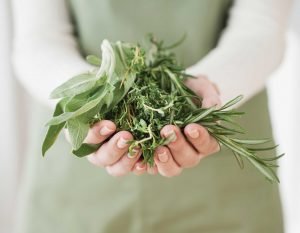
Herbal products are not automatically risk-free. Concentrated supplements can interact with medicines, affect bleeding, or cause allergic reactions. Avoid self-prescribing medicinal herbs during pregnancy, while trying to conceive, or when breastfeeding without advice from a qualified health professional. People with liver, kidney, bleeding, or digestive conditions should also seek guidance before using herbal preparations.
Information from general wellness resources can help explain traditional uses of plants, but online health content cannot assess individual risks. In Australia, a pharmacist or GP can check whether a product is appropriate, especially when it is sold as a supplement rather than a standard food or tea.
Create A Calming Period Routine
Stress does not cause every episode of menstrual pain, but it can increase muscle tension and make discomfort feel more intense. A predictable routine may help the nervous system settle. Try dimming bright lights, taking a warm shower, listening to quiet music, practising slow breathing, or using a guided relaxation recording.
One simple breathing method is to inhale gently for four counts and exhale for six counts, repeating for several minutes. The longer, unforced exhalation may encourage relaxation. Rest is important, but it does not require staying in bed all day; alternating short periods of movement with comfortable breaks can be more helpful.
Prepare a small period-care kit before symptoms begin. It might include spare underwear, menstrual products, a heat patch, a water bottle, snacks, and comfortable clothing. Australian workplaces and schools may have different levels of privacy, so planning ahead can reduce stress when cramps start during a commute, class, or shift.
Know When Medical Advice Is Needed
Home care is reasonable for familiar, mild cramps that improve within a few days. Seek medical advice if pain is severe, suddenly different, steadily worsening, or regularly prevents normal activities. A GP may investigate conditions such as endometriosis, adenomyosis, fibroids, pelvic infection, or ovarian cysts, all of which can cause significant period pain.
Arrange prompt care for very heavy bleeding, fainting, persistent vomiting, fever, unusual vaginal discharge, pain during sex, pain when urinating, or bleeding between periods. Urgent assessment is important for severe one-sided pain, collapse, or possible pregnancy with abdominal pain or bleeding. In Australia, Healthdirect can provide nurse advice on 1800 022 222, while emergencies require 000.
A medical review does not mean someone must take pills. Treatment may include testing, pelvic health advice, hormonal options, physiotherapy, or other approaches based on the cause. The goal is to understand persistent pain and protect quality of life, rather than accepting disabling cramps as an unavoidable part of menstruation.
Practical Steps For The Next Cycle
- Place a safely wrapped heat pack over the lower abdomen for short, comfortable periods.
- Choose gentle walking, stretching, or a warm shower instead of strenuous exercise when pain is active.
- Eat regular meals with iron-rich, protein-containing, and high-fibre foods, and drink water throughout the day.
- Record bleeding, pain, digestive symptoms, sleep, and which home measures seem helpful.
- Ask a pharmacist or GP before using concentrated herbal supplements, particularly during pregnancy or while taking regular medicines.
-
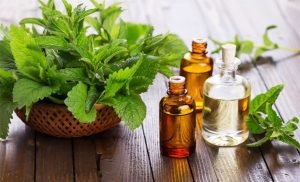
Tea Tree Essential Oil Tea tree oil is often referred to as “medicine cabinet in a bottle,” as it’s ..
-
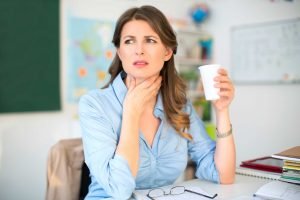
13 surprising home remedies for acid reflux Before you reach for the heavy-duty, prescription-strength ..
-
Great Burdock The root is used to treat ‘toxic overload’ that result in throat infections and skin ..