
-

1. Apples Are Nutritious A medium apple is equal to 1.5 cups of fruit. Two cups of fruit daily are recommended ..
-

1.Bananas help overcome depression due to high levels of tryptophan, which is converted into serotonin ..
-

1. Beta carotene: Carrots are a rich source of this powerful antioxidant, which, among other vital uses, ..
-

Tinnitus in the ear can occur due to ear infections, various infections, perforation of the eardrum, ..
-
Comments Off on Pregnancy Calendar – Week 5 of Your Pregnancy

5-week pregnancy “Pregnancy calendar” at week 5: Your baby’s brain is developing. You may feel ..
-
Comments Off on Pregnancy Calendar – Week 4 of Your Pregnancy

4 weeks pregnancy “Pregnancy calendar” at 4th week: A miracle begins! Your baby, now consisting ..
-

Gentle natural care for mild acne at home
Mild acne can appear as blackheads, whiteheads, small red bumps, or occasional pimples on the face, chest, and back. It often develops when excess oil, dead skin cells, and bacteria collect inside hair follicles. Hormonal changes, stress, sweat, friction, cosmetics, and some hair products can make breakouts more noticeable.
Natural ingredients may support a simple acne-care routine, especially when the skin is mildly congested or irritated. However, “natural” does not automatically mean gentle. Lemon juice, undiluted essential oils, baking soda, and rough scrubs can damage the skin barrier and leave dark marks.
The safest approach is to use a few mild ingredients, introduce them slowly, and protect the skin from sun exposure. For broader wellness information, Healthy Life Live offers general educational content about nutrition, plants, and everyday health concerns.
Start with a calm skin-care routine
Before applying a home remedy, wash the affected area with lukewarm water and a mild, fragrance-free cleanser. Use clean fingertips rather than a rough cloth or facial brush. Scrubbing can create tiny areas of irritation, increase redness, and encourage more inflammation.
Cleanse once in the morning and once at night, as well as after heavy sweating when needed. Washing repeatedly throughout the day may strip natural oils and prompt the skin to produce more oil. After cleansing, pat the face dry with a soft, clean towel instead of rubbing.
A lightweight, non-comedogenic moisturizer can help preserve the skin barrier. This step is useful even for oily skin because dryness and irritation can make blemishes appear worse. During the day, choose broad-spectrum sunscreen labeled non-comedogenic, particularly if you are using ingredients that may increase sensitivity.
Gentle ingredients that may help
A plain aloe vera gel can provide a cooling, soothing layer over irritated skin. Choose a product with a short ingredient list and no added fragrance, alcohol, or color. Apply a thin amount to clean skin and stop using it if itching, swelling, or a rash develops. Aloe may calm discomfort, but it is not a substitute for proven acne treatment when breakouts persist.
Diluted green tea is another mild option. Green tea contains plant compounds with antioxidant and anti-inflammatory properties, and a cooled infusion may feel comfortable on oily or inflamed skin. Brew one tea bag in clean, hot water, allow it to cool fully, and apply it with a clean cotton pad. Prepare a fresh batch daily and avoid storing it for several days, since homemade liquids can become contaminated.
Raw honey has natural humectant and antimicrobial qualities, although evidence for treating acne at home remains limited. If you try it, select plain honey without added fragrance or flavoring. Apply a small amount for 10 to 15 minutes, rinse thoroughly, and moisturize. People with pollen, bee, or honey allergies should avoid this remedy.
Colloidal oatmeal may be useful when blemishes occur alongside dryness or sensitivity. It can reduce the feeling of tightness and help calm a disrupted skin barrier. Mix finely milled colloidal oatmeal with water to create a soft paste, leave it on briefly, and rinse without rubbing. Oat products can still cause reactions in some people, so a patch test is sensible.
What the evidence and risks suggest
Natural care is most helpful when it reduces irritation and supports consistent habits. It may soothe redness, absorb some surface oil, or make the skin feel less uncomfortable. It usually cannot unclog established pores as reliably as ingredients such as salicylic acid or benzoyl peroxide.
The comparison below can help distinguish gentle options from ingredients that are commonly promoted online but may cause harm.
Ingredient or method Possible benefit Main concern Sensible use Aloe vera gel Cooling and soothing Fragrance or preservatives may irritate Use a plain, tested product in a thin layer Cooled green tea Antioxidant and calming properties Homemade liquid can become contaminated Prepare fresh and discard after one day Plain honey Humectant and mild antimicrobial action Allergy, stickiness, limited acne evidence Use briefly after a patch test Colloidal oatmeal Helps relieve dryness and irritation Possible sensitivity Mix with water and rinse gently Lemon juice Acidic and brightening claims Burns, irritation, and sun sensitivity Avoid on acne-prone skin Baking soda Temporary feeling of oil reduction Alkaline pH can damage the barrier Avoid as a facial treatment Undiluted essential oils Strong fragrance and plant compounds Irritant or allergic contact dermatitis Do not apply directly to skin Lemon juice deserves particular caution. Its acidity can sting or burn, and citrus compounds may react with sunlight, increasing the risk of discoloration. Baking soda has a high pH that can disturb the skin’s natural protective environment. Toothpaste, rubbing alcohol, hydrogen peroxide, and coarse sugar scrubs are also poor choices for pimples.
Essential oils, including tea tree oil, should never be applied undiluted. Tea tree oil has some evidence for mild acne in properly formulated products, but concentrated oil can cause allergic reactions and irritation. Anyone using it should select a product designed for skin, follow the label, and keep it away from the eyes and mouth.
Use a patch test before broader application
Apply a small amount of the chosen product to an inconspicuous area, such as the inner forearm or behind the ear. Leave it there according to the product’s normal instructions, then watch for burning, swelling, itching, hives, or persistent redness over the next 24 hours.
A patch test cannot guarantee that a product will never irritate facial skin, but it can identify some immediate sensitivities. Test only one new ingredient at a time. If several remedies are introduced together, it becomes difficult to tell which one caused a reaction.
Stop immediately if the skin feels hot, painful, or increasingly tight. Rinse with cool water and return to a basic cleanser and moisturizer. Seek medical care promptly for facial swelling, breathing difficulty, widespread hives, or rapidly worsening symptoms.
Build a simple weekly routine
Consistency matters more than collecting many remedies. A basic routine can reduce triggers while allowing the skin time to recover. Avoid picking, squeezing, or scraping blemishes, since these actions can push inflammation deeper and increase the likelihood of scarring or post-inflammatory hyperpigmentation.
- Cleanse gently in the morning and evening.
- Apply one soothing ingredient, such as aloe or colloidal oatmeal, rather than layering several treatments.
- Moisturize with a fragrance-free, non-comedogenic product.
- Use sunscreen every morning, especially when redness or dark marks are present.
- Change pillowcases regularly and clean items that touch the face, such as phones and makeup brushes.
Keep hair oils, pomades, and heavy styling products away from the forehead and cheeks. Sweat and friction from helmets, tight straps, masks, or sports equipment may also contribute to blocked pores. Showering after exercise and wearing breathable fabrics can reduce buildup on the body.
Diet is sometimes discussed as a cause of acne, but there is no single food that explains every breakout. Some people notice a relationship between acne and high-glycemic foods or certain dairy products, while others do not. Instead of adopting severe restrictions, focus on balanced meals containing vegetables, fruit, legumes, whole grains, protein, and adequate water.
Know when home care is not enough
Small, occasional blemishes may improve after several weeks of gentle care, but skin does not usually change overnight. Give a routine time to work while tracking whether breakouts are becoming less frequent, less painful, or easier to manage. Taking weekly photos in similar lighting can be more useful than checking the mirror repeatedly.
Consider speaking with a pharmacist, primary-care professional, or dermatologist if acne becomes painful, widespread, deep, or persistent. Nodules and cysts can scar, and early professional treatment may prevent lasting marks. Medical advice is also appropriate when breakouts suddenly begin in adulthood or occur with irregular periods, excess facial hair, scalp hair thinning, or other hormonal symptoms.
Pregnancy and breastfeeding require extra care with skincare products and herbal ingredients. Avoid starting essential oils or concentrated botanical preparations without professional guidance. Anyone taking medication or managing eczema, rosacea, allergies, or another skin condition should check an ingredient’s suitability before using it.
A natural routine can support comfort, but it should not delay care for severe inflammation, spreading redness, pus, fever, or a painful rash. A clinician can distinguish acne from folliculitis, allergic dermatitis, rosacea, or other conditions that may look similar.
Choose one mild remedy, protect the skin barrier, and observe how your complexion responds over the next few weeks. If simple care does not control the blemishes or if scarring begins, arrange an evaluation with a qualified healthcare professional so you can receive a safe, personalized treatment plan.
-
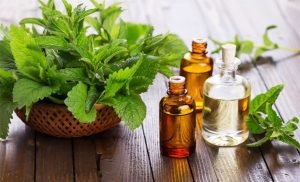
Tea Tree Essential Oil Tea tree oil is often referred to as “medicine cabinet in a bottle,” as it’s ..
-

13 surprising home remedies for acid reflux Before you reach for the heavy-duty, prescription-strength ..
-

Great Burdock The root is used to treat ‘toxic overload’ that result in throat infections and skin ..