
-

1. Apples Are Nutritious A medium apple is equal to 1.5 cups of fruit. Two cups of fruit daily are recommended ..
-

1.Bananas help overcome depression due to high levels of tryptophan, which is converted into serotonin ..
-

1. Beta carotene: Carrots are a rich source of this powerful antioxidant, which, among other vital uses, ..
-

Tinnitus in the ear can occur due to ear infections, various infections, perforation of the eardrum, ..
-
Comments Off on Pregnancy Calendar – Week 5 of Your Pregnancy

5-week pregnancy “Pregnancy calendar” at week 5: Your baby’s brain is developing. You may feel ..
-
Comments Off on Pregnancy Calendar – Week 4 of Your Pregnancy

4 weeks pregnancy “Pregnancy calendar” at 4th week: A miracle begins! Your baby, now consisting ..
-

Gentle care for mild eczema and dry skin patches
Home remedies for treating mild eczema and dry skin patches work best when they protect the skin barrier and reduce irritants. A rich moisturiser, short lukewarm bathing and thoughtful product choices can ease tightness, scaling and itching. These measures support mild symptoms; they do not replace prescribed treatment when inflammation, cracking or itch is more severe.
Skin comfort usually improves through consistency: cleanse gently, moisturise while the skin is still slightly damp, and avoid repeated cycles of wetness followed by strong heating. Keep nails short if scratching is a problem, wear soft cotton clothing, and note which products, soaps and activities trigger a flare.
Recognise mild eczema and dry skin patches
Mild eczema (atopic dermatitis) often appears as small areas of dry, rough or lightly inflamed skin. Common sites include the inner elbows, behind the knees and around the neck, although it can occur anywhere. Itching may rise in the evening, heat or after bathing, while mild patches may look pink, brown or simply unusually pale and flaky.
Dry skin, sometimes called xerosis, can split under low humidity, frequent handwashing or heated indoor air. If the surface is polished, tight and evenly dry, moisturising and environmental changes may be enough. Eczema is more likely when dry patches are persistent, itch strongly, become inflamed or develop small leaks that crust over.
Psoriasis, fungal infections, seborrhoeic dermatitis and contact reactions can resemble eczema. A sudden rash, one-sided scaling or symptoms around a new product deserves professional review. Avoid applying home treatments over a suspected infection, an oozing wound or a widespread unexplained rash.
Moisturise the barrier while it is damp
Choose an emollient intended for sensitive or eczema-prone skin, then use it generously enough to leave a thin protective film. There is no need for a painful or greasy product to work; comfort and frequent use matter more than prestige or price.
- Ointments, often petrolatum-based, are thick occlusive seals that reduce water loss. They can feel greasy, especially in humid weather, but are useful on very dry patches.
- Creams: A fragrance-free eczema cream with ceramides, glycerin or similar barrier ingredients offers a lighter finish. Apply it often enough to prevent the surface becoming rough again.
- Lotions: High water content makes them pleasant on large areas, yet much of that water evaporates quickly. Lotions work best when followed by a cream or ointment.
- Oils: Coconut, jojoba and mineral oils can soften rough skin by slowing loss. They should complement—not replace—regular moisturiser and may irritate some people.
Apply moisturiser after every short bath and whenever a region feels dry, ideally while the skin is still slightly damp. Warm it between clean palms if needed, pat rather than rub, and focus on creases, ankles, hands and face without repeatedly using scented products over the same area.
Use lukewarm water and wet wraps
Use lukewarm water for five to ten minutes, not a long soak or hot shower. Choose a soap-free cleanser, or wash only the sweaty or dirty areas, and support the body in the bath if balance is a concern. When a wash is needed, apply it to damp skin and rinse thoroughly without rubbing.
After bathing, blot the skin with a clean soft towel and leave it slightly damp rather than air-drying. Apply prescribed skin medicine first if a clinician has given directions, followed by moisturiser. Moisturise again later in the day, especially after handwashing.
For a pronounced flare, wet-wrap therapy can cool and protect skin. Soak clean cotton bandages or an old cotton T-shirt in lukewarm water, squeeze until only damp, wrap the affected arm or leg, then cover with a dry layer. Follow product or clinician instructions for timing, and do not seal a wet layer around the face, neck or genitals. Do not use wet wraps over weeping or infected skin unless advised.
Try a few gentle plant-based options
A few plant-derived ingredients may be helpful, but evidence varies by formulation and skin type. Choose products made for eczema-prone skin, keep the number of new ingredients low, and introduce one change at a time.
- Colloidal oatmeal: Use a pharmaceutical-grade product rather than coarse homemade flakes in a warm bath or as a cream, according to its directions. It can ease itching in mildly inflamed skin.
- Virgin coconut oil: A small amount may soften dryness after bathing, though it is not a universal treatment. Stop if warmth, burning, redness or swelling develops.
- Sunflower seed oil: This light oil can support the barrier in some people, but is unsuitable for anyone with a known seed allergy and it should not replace a heavier cream.
- Medical-grade honey: Sterile honey dressings may soothe selected minor irritated areas, although research is limited. Do not use food honey on broken skin or give any honey product to a child under one year.
Natural does not mean non-allergenic. Patch-test a new cream on a small area of unaffected skin for 24 to 48 hours, then use it gradually. Watch for delayed itching, tiny blisters or a newly dry rash even when the product initially feels cool. If eczema is widespread, testing on a forearm may not predict a reaction on the face.
Commercial aloe vera gel may calm some mild irritation, but stabilised formulations are preferable to fresh plant gel. Tea tree oil is popular in Australia but should not be put on inflamed skin, because it is a common contact allergen and can make burning and redness worse.
Avoid remedies that can irritate
Several common kitchen remedies can worsen dryness. Lemon juice and vinegar can irritate or chemically burn, baking soda can disturb the skin’s pH, and coarse sugar, coffee grounds or stiff brushes can scratch already fragile skin. Essential oils, including peppermint, eucalyptus and undiluted tea tree oil, can trigger delayed allergy; a pleasant aroma is no guide to suitability.
Skip fragranced soaps, bubble baths, scented talc and deodorant on the affected area, even when a product claims to be natural. Wash hands before touching the skin, choose lukewarm rather than very hot water, and avoid wool or rough seams directly over a flare. Do not apply potent steroid, pain-killing or Chinese herbal creams bought without professional advice, since undisclosed ingredients can damage the barrier.
Fit skin care to Australian conditions
Australian conditions call for small seasonal adjustments. Melbourne’s windy summers, Canberra’s cold winters and widespread indoor heating can dry the air and skin. If a bedroom is consistently dry, a clean cool-mist humidifier may help; keep humidity moderate, place it where mould cannot form, and wash the tank and filter as directed. Cotton bedding and breathable clothing reduce trapped heat without rubbing fibres against inflamed patches.
Sydney households in hard-water areas may notice a mineral film and tight feeling after showering, although water hardness is not the only cause of eczema. Shorter showers and a mild, soap-free wash usually make sense. Brisbane’s intense UV adds another concern: exposed eczema-prone skin needs shade, a hat and a broad-spectrum, water-resistant SPF 50+ sunscreen, preferably fragrance-free. Mineral sunscreens containing zinc oxide or titanium dioxide may suit some people, while others react to them.
Basic moisturisers are widely sold at Woolworths and Coles, and Australian pharmacies can advise on suitable emollients and low-potency treatments. Check the ingredient list, not just claims such as “natural” or “hypoallergenic”, and compare the 1Tomy online store listing when a less familiar brand is under consideration. If the print is tiny, use the magnified image on the product page or hold the pack under good light before applying it.
Know when to get medical advice
Seek prompt medical care if the rash becomes hot, rapidly painful, swollen, wet or crusted with yellow or green material. Blistering, spreading redness, pus, fever or feeling generally unwell can point to infection. Deep cracks around the eyes, or eczema that affects sleep, daily activity or confidence, also warrants assessment rather than another cycle of home remedies.
Arrange a GP review when mild care has not started to improve within one to two weeks, when the area is repeatedly flaring, or when the skin is extensive. Children with suspected eczema should be assessed so infection, sleep loss and growth or development concerns are not missed. During pregnancy or breastfeeding, ask a pharmacist or clinician about medicated products before applying them to broken or changing skin.
For a confirmed mild flare, an Australian pharmacist or doctor may recommend a short course of hydrocortisone 1% or another appropriate topical treatment while moisturising continues. Follow the product directions, keep the course short, and do not use stronger prescription steroids, steroid-antibiotic combinations or medicated creams on the face or genitals unless advised. Suspected infection, severe disease or frequent flares require a treatment plan rather than repeated self-treatment.
-
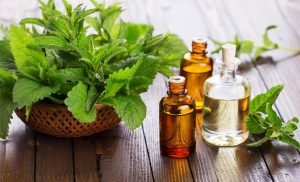
Tea Tree Essential Oil Tea tree oil is often referred to as “medicine cabinet in a bottle,” as it’s ..
-

13 surprising home remedies for acid reflux Before you reach for the heavy-duty, prescription-strength ..
-

Great Burdock The root is used to treat ‘toxic overload’ that result in throat infections and skin ..