
-

1. Apples Are Nutritious A medium apple is equal to 1.5 cups of fruit. Two cups of fruit daily are recommended ..
-

1.Bananas help overcome depression due to high levels of tryptophan, which is converted into serotonin ..
-

1. Beta carotene: Carrots are a rich source of this powerful antioxidant, which, among other vital uses, ..
-

Tinnitus in the ear can occur due to ear infections, various infections, perforation of the eardrum, ..
-
Comments Off on Pregnancy Calendar – Week 5 of Your Pregnancy

5-week pregnancy “Pregnancy calendar” at week 5: Your baby’s brain is developing. You may feel ..
-
Comments Off on Pregnancy Calendar – Week 4 of Your Pregnancy

4 weeks pregnancy “Pregnancy calendar” at 4th week: A miracle begins! Your baby, now consisting ..
-

Mild Sunburn Relief at Home: Safe Steps for Healing Skin
A mild sunburn can leave skin red, warm, tender, and unusually sensitive within a few hours of too much ultraviolet exposure. Although the injury is usually superficial, the discomfort can interfere with sleep, clothing choices, and daily activities. Prompt, gentle care can reduce irritation while the skin repairs itself.
The most useful approach is to cool the affected area, replace lost moisture, avoid further sun exposure, and give the skin time to recover. Home care is generally appropriate for limited redness and soreness without extensive blistering, severe swelling, or whole-body symptoms.
Sunburn is a form of skin damage, so natural ingredients are not automatically harmless. The safest remedies are simple, fragrance-free, and designed to soothe rather than scrub, dry, or stimulate the skin. Monitoring symptoms is equally important because a burn can become more uncomfortable during the first 24 hours.
What Mild Sunburn Looks Like
A first-degree sunburn typically causes pink or red skin, warmth, tenderness, and mild swelling. The area may feel tight or sting when touched. Symptoms often begin several hours after exposure and can become more noticeable later that day or the next morning.
Mild burns usually affect the outer layer of skin and do not produce large fluid-filled blisters. Peeling may appear a few days later as damaged surface cells are shed. It is tempting to remove loose skin, but pulling or scraping can expose sensitive tissue and increase the risk of irritation or infection.
The size and location of the burn matter. A small patch on the shoulders may be managed at home, while redness covering much of the body deserves closer attention. Burns involving the face, hands, feet, or genitals can also require medical advice even when they initially appear limited.
First Steps After Sun Exposure
Move indoors or into deep shade as soon as you notice burning or unusual warmth. Continuing to sit in the sun can deepen the injury. Remove tight clothing, jewelry, or straps that press against swollen skin, and choose loose, breathable fabrics while the area is tender.
Cool the skin with a clean, damp cloth for 10 to 15 minutes at a time. A lukewarm or cool shower can also help, but avoid very cold water or direct ice. Extreme cold may further irritate damaged skin and can cause numbness that makes it difficult to judge the temperature.
Drink water regularly, especially if you were outdoors in hot weather or were sweating heavily. A sunburn draws fluid toward the skin’s surface, and dehydration can add to fatigue, headache, and dizziness. Water is usually sufficient for a mild burn, while a balanced meal can provide additional fluids and electrolytes.
Pat the skin dry instead of rubbing it. Apply moisturizer while the skin is still slightly damp to help reduce tightness. Products with little or no fragrance are preferable because perfumes and botanical additives can sting compromised skin.
Gentle Home Remedies That Help
A plain moisturizer containing aloe vera or soy may calm mild dryness and discomfort. Choose a product without alcohol, menthol, strong fragrance, or exfoliating acids. Aloe gel can feel cooling, but it should not be treated as a way to reverse the underlying skin damage. Apply a thin layer and stop using it if burning, itching, or a rash develops.
Colloidal oatmeal is another mild option for itchy or tight skin. Add a finely ground, unscented oatmeal preparation to a lukewarm bath, or use a product specifically made for sensitive skin. Keep the soak brief, rinse gently if needed, and pat dry. Ordinary coarse oatmeal may be less soothing and can leave particles that encourage rubbing.
A cool compress may be repeated several times during the day. Use a soft cloth rather than placing a frozen pack directly on the skin. If the cloth warms quickly, re-wet it with cool water. This simple measure often provides more reliable comfort than strongly scented creams.
Over-the-counter pain relievers may help adults who can safely take them. Ibuprofen can reduce pain and inflammation when used according to the package directions, while acetaminophen may help with discomfort. People with kidney disease, stomach ulcers, bleeding risks, liver disease, medication interactions, or other health concerns should seek professional guidance before using these medicines. Never give aspirin to children or teenagers for sunburn discomfort.
Comparing Soothing Options
The best choice depends on whether the main problem is heat, dryness, itching, or pain. No topical remedy makes damaged skin heal instantly, and products should always be tested on a small area when the skin is reactive.
Soothing option How to use it Best for Important caution Cool damp cloth Apply for 10–15 minutes and repeat Heat, tenderness, and mild swelling Do not use ice directly Fragrance-free moisturizer Smooth on a thin layer after bathing Dryness, tightness, and peeling Avoid alcohol and irritating additives Plain aloe vera gel Apply gently to intact skin Cooling and temporary comfort Stop if it stings or causes a rash Colloidal oatmeal bath Soak briefly in lukewarm water Itching and generalized irritation Avoid hot water and vigorous rubbing Oral pain reliever Follow the product label Moderate soreness Check health conditions and medicines first Do not cover a mild sunburn with thick petroleum-based ointment during the early hot stage if it traps heat and feels uncomfortable. A light moisturizer is often more pleasant. Once the skin is no longer hot and has become dry, a bland protective ointment may help small areas retain moisture, provided there are no signs of infection.
Avoid applying butter, cooking oils, toothpaste, or concentrated essential oils. These substances can trap heat, irritate sensitive tissue, or trigger an allergic reaction. Products marketed as “natural” may contain alcohol, fragrance, or plant extracts that are too harsh for freshly sunburned skin.
Protecting Skin While It Repairs
Stay out of direct sunlight until the redness and tenderness have resolved. If going outside is unavoidable, cover the area with loose, tightly woven clothing, a wide-brimmed hat, or a clean umbrella. Sunscreen should be used on exposed, unburned skin, but putting sunscreen on severely irritated or blistered areas may sting.
Do not pop blisters. They form a temporary protective layer over deeper skin and opening them can introduce bacteria. If a blister breaks on its own, wash the area gently with mild soap and water, leave the remaining skin in place, and cover it with a sterile, nonstick dressing.
Peeling skin should be left alone. Moisturizing can reduce flaking and tightness, but scrubs, brushes, washcloth friction, and exfoliating products can prolong irritation. Avoid shaving over the burn until the skin feels comfortable and intact.
Heat can make symptoms feel worse, so postpone hot baths, saunas, heating pads, and strenuous exercise in hot conditions. Tight athletic clothing may rub the affected area. Rest in a cool environment and allow the body’s normal healing process to proceed.
Extra Care for Children and Pregnancy
Children can become dehydrated or overheated more quickly than adults, and they may have difficulty describing worsening symptoms. Offer frequent fluids, keep the child in a cool place, and use gentle cool compresses. Avoid applying multiple new products at once because a rash from an ingredient can be difficult to distinguish from the original burn.
For infants and young children, contact a healthcare professional for advice if the burn is extensive, blistered, or located on the face. A baby with unusual sleepiness, repeated vomiting, poor drinking, or fewer wet diapers needs prompt evaluation. Pain medicine should be chosen and dosed according to the child’s age, weight, and professional guidance.
Pregnancy does not change the need to cool and cover sunburned skin, but it does make medication choices more important. Before taking an oral pain reliever or using a medicated cream, check with a prenatal clinician or pharmacist. Readers tracking early pregnancy may also find this first-trimester baby development guide useful alongside routine prenatal care.
Pregnant people should pay attention to dizziness, faintness, persistent vomiting, or signs of heat illness after sun exposure. Resting indoors, drinking fluids, and obtaining medical advice are safer than trying to manage significant symptoms with topical remedies alone.
Warning Signs That Need Medical Care
Most small, uncomplicated sunburns improve gradually over several days. Seek medical help promptly when symptoms suggest a deeper burn, dehydration, heat illness, or infection.
- Large or numerous blisters, severe swelling, or skin that appears white, leathery, or deeply damaged
- Sunburn covering a large portion of the body or affecting the eyes, face, hands, feet, or genitals
- Fever, chills, severe headache, confusion, fainting, nausea, vomiting, or marked weakness
- Increasing pain, spreading redness, pus, red streaks, or worsening swelling after the first day
- Signs of dehydration such as very dark urine, minimal urination, intense thirst, dry mouth, or dizziness
- A young child, older adult, pregnant person, or medically vulnerable individual with a significant burn
A mild burn should begin feeling less painful over the next few days, although peeling and color changes can last longer. If symptoms are not improving, repeatedly return after sun exposure, or leave lasting dark or light patches, a clinician or dermatologist can assess the skin and discuss prevention.
Use cooling, hydration, bland moisturizers, and sun protection as the foundation of care. Begin with the gentlest option, avoid irritating household products, and watch for warning signs rather than masking worsening symptoms. Taking these steps early can make a mild sunburn more comfortable while protecting the skin during recovery.
-
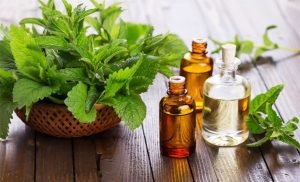
Tea Tree Essential Oil Tea tree oil is often referred to as “medicine cabinet in a bottle,” as it’s ..
-

13 surprising home remedies for acid reflux Before you reach for the heavy-duty, prescription-strength ..
-

Great Burdock The root is used to treat ‘toxic overload’ that result in throat infections and skin ..