
-

1. Apples Are Nutritious A medium apple is equal to 1.5 cups of fruit. Two cups of fruit daily are recommended ..
-
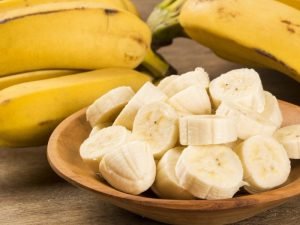
1.Bananas help overcome depression due to high levels of tryptophan, which is converted into serotonin ..
-

1. Beta carotene: Carrots are a rich source of this powerful antioxidant, which, among other vital uses, ..
-

Tinnitus in the ear can occur due to ear infections, various infections, perforation of the eardrum, ..
-
Comments Off on Pregnancy Calendar – Week 5 of Your Pregnancy

5-week pregnancy “Pregnancy calendar” at week 5: Your baby’s brain is developing. You may feel ..
-
Comments Off on Pregnancy Calendar – Week 4 of Your Pregnancy

4 weeks pregnancy “Pregnancy calendar” at 4th week: A miracle begins! Your baby, now consisting ..
-

How Bananas Can Improve Your Digestive Health Naturally
Bananas are among the easiest fruits to add to a daily eating pattern. They are portable, naturally sweet, and usually gentle on the stomach. Their combination of dietary fiber, water, carbohydrates, and plant compounds can support regular bowel movements and a healthier digestive routine.
The digestive benefits of bananas depend on factors such as ripeness, portion size, and individual tolerance. A soft, ripe banana may be easier to digest for someone with a sensitive stomach, while a greener banana contains more resistant starch, a type of carbohydrate that can nourish beneficial gut bacteria.
Bananas are not a treatment for every digestive disorder, and persistent symptoms deserve medical attention. Still, as part of a varied diet, they can provide practical support for intestinal regularity, stool consistency, and overall gut function.
Why Bananas Support the Digestive System
A medium banana provides dietary fiber, which adds bulk to stool and helps food move through the intestines. Fiber also holds water in the digestive tract, helping promote softer, easier-to-pass stools when a person drinks enough fluids. Regular fiber intake is associated with improved bowel habits and may help reduce occasional constipation.
Bananas contain both soluble and insoluble fiber. Soluble fiber absorbs water and forms a soft, gel-like material during digestion, while insoluble fiber adds structure to stool. This balance can be useful because digestive health involves more than simply increasing bowel movement frequency; stool should also be comfortable to pass.
The fruit’s natural carbohydrates provide energy without the heavy sensation that can follow a large, high-fat meal. Bananas are also low in fat and contain no cholesterol, making them a mild snack choice for many people experiencing temporary digestive discomfort.
Fiber, Resistant Starch, and the Gut Microbiome
Green or slightly underripe bananas contain more resistant starch than fully yellow bananas. Resistant starch passes through the small intestine without being completely digested. Once it reaches the colon, beneficial bacteria ferment it and produce short-chain fatty acids, including butyrate. These compounds help support the environment in the large intestine.
As bananas ripen, some resistant starch changes into simpler sugars. The fruit becomes softer, sweeter, and often easier to chew and digest. This makes ripeness an important consideration: a green banana may offer more prebiotic starch, while a ripe banana may be more comfortable for people with nausea, a tender stomach, or difficulty digesting fibrous foods.
A gradual approach is helpful when increasing resistant starch or fiber. Eating several unripe bananas at once may cause gas, bloating, or abdominal discomfort, especially in someone whose usual diet is low in fiber. Introducing a small serving alongside adequate water gives the digestive system time to adapt.
Bananas and Common Digestive Complaints
For occasional constipation, a ripe banana can contribute useful fiber to a broader plan that includes vegetables, whole grains, legumes, and sufficient fluids. However, fiber affects people differently. Some individuals find bananas helpful, while others notice that underripe bananas make stools firmer. Paying attention to ripeness and personal response is more useful than following a single rule.
Bananas are frequently chosen during episodes of mild diarrhea because they are soft, easy to eat, and provide soluble fiber. Their pectin and other fibers may help give stool more form. They also supply potassium, an electrolyte that can be lost with repeated loose stools. A banana cannot replace oral rehydration solution when dehydration is a concern, especially after significant fluid loss.
People with nausea may tolerate small bites of banana better than greasy, spicy, or heavily seasoned foods. Eating slowly and choosing a ripe fruit can reduce the effort required for digestion. If vomiting, severe diarrhea, bloody stool, fever, or intense abdominal pain occurs, home dietary adjustments should not delay professional care.
Banana characteristic Possible digestive role Practical use Green or underripe fruit Higher resistant starch and prebiotic potential Use a small portion if fiber-rich foods are well tolerated Yellow, ripe fruit Softer texture and easier chewing Suitable for a gentle snack or blended meal Very soft, spotted fruit Sweeter and lower in resistant starch Useful in oatmeal, yogurt, or smoothies Medium serving Provides fiber and potassium without a large volume Eat as part of a balanced snack Frozen banana Creamy texture when blended Combine with other nutrient-dense ingredients How Ripeness Changes Digestive Benefits
The color and texture of a banana provide clues about its carbohydrate composition. Green bananas are firm and starchy, and their resistant starch may support beneficial bacteria in the colon. They can be a useful addition to a high-fiber eating pattern, but they may feel heavy or produce gas in people with sensitive digestion.
Yellow bananas have a softer texture and a sweeter flavor because starch has converted into sugars. They still contain fiber, although generally less resistant starch than green fruit. This stage often works well for a quick snack, sliced over porridge, or mashed into whole-grain toast.
Brown-spotted bananas are especially soft and sweet. They are convenient for baking or blending, though adding large amounts to a smoothie can increase the total sugar and calorie content of the meal. A balanced smoothie should include protein, such as plain yogurt or tofu, and additional fiber from oats, berries, or chia seeds.
Simple Ways to Add Bananas to Meals
Eating a banana by itself is an easy option, but combining it with other foods can make a snack more satisfying and nutritionally complete. Pairing it with peanut butter, unsweetened yogurt, nuts, or seeds adds protein and healthy fats, which may help slow the rise in blood glucose and support longer-lasting fullness.
Bananas can also be mashed into oatmeal, stirred into plain yogurt, or blended with leafy greens and berries. These combinations increase the overall variety of fiber types in the meal. Since different fibers feed different gut bacteria, a diverse diet is generally more supportive of the microbiome than relying on one fruit every day.
For people managing digestive sensitivity, portion size matters. Start with half a banana and observe how the body responds. Keep a simple record of symptoms if bloating, loose stools, or constipation occurs frequently; the timing of symptoms may reveal whether ripeness, serving size, or another ingredient is involved.
Choosing Bananas for Personal Tolerance
Most people can enjoy bananas safely, but individual circumstances can change how the fruit feels. Someone with irritable bowel syndrome may be sensitive to larger servings or very ripe fruit because of its fermentable carbohydrates. Others may tolerate a firm yellow banana better than a soft, heavily spotted one. There is no universal ripeness stage that suits every digestive system.
People with chronic kidney disease may need to monitor potassium intake, and bananas may need to fit within an individualized meal plan. Those with diabetes can usually include fruit, but serving size and the rest of the meal still matter. Anyone with a known banana allergy should avoid the fruit and discuss alternatives with a qualified clinician.
If digestive symptoms continue for more than a short period, professional evaluation is important. Unexplained weight loss, persistent constipation, ongoing diarrhea, difficulty swallowing, black stools, or recurrent vomiting can signal a condition that food changes alone cannot address. Readers who need to send a health-related editorial inquiry can use the protected email link rather than sharing personal medical details publicly.
Practical Habits for Better Digestion
Bananas work best as one part of a wider routine. Fiber needs fluid to move comfortably through the intestines, so increasing fruit intake while drinking very little may worsen constipation for some people. Regular movement, consistent meal timing, and a varied selection of plant foods also contribute to normal bowel function.
A sensible approach is to select the ripeness that feels comfortable, keep portions moderate, and combine bananas with other nutritious ingredients. These habits help preserve the fruit’s benefits without treating it as a cure or depending on it for every digestive need.
- Choose a ripe banana when the stomach feels sensitive or appetite is low.
- Try a smaller serving of green banana if increasing prebiotic resistant starch.
- Drink water regularly when adding more fiber to the daily diet.
- Pair bananas with protein or healthy fats for a more balanced snack.
- Seek medical advice for severe, persistent, or unusual digestive symptoms.
Adding a banana to breakfast, a midday snack, or a post-exercise meal can be a simple way to increase fruit and fiber intake. Experiment with ripeness and portion size, notice how your body responds, and build the habit alongside vegetables, whole grains, legumes, and adequate hydration for steady digestive support.
-

Tea Tree Essential Oil Tea tree oil is often referred to as “medicine cabinet in a bottle,” as it’s ..
-

13 surprising home remedies for acid reflux Before you reach for the heavy-duty, prescription-strength ..
-

Great Burdock The root is used to treat ‘toxic overload’ that result in throat infections and skin ..