
-

1. Apples Are Nutritious A medium apple is equal to 1.5 cups of fruit. Two cups of fruit daily are recommended ..
-
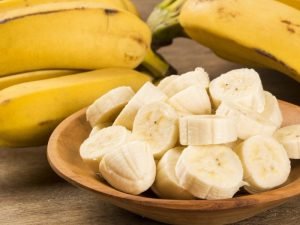
1.Bananas help overcome depression due to high levels of tryptophan, which is converted into serotonin ..
-

1. Beta carotene: Carrots are a rich source of this powerful antioxidant, which, among other vital uses, ..
-

Tinnitus in the ear can occur due to ear infections, various infections, perforation of the eardrum, ..
-
Comments Off on Pregnancy Calendar – Week 5 of Your Pregnancy

5-week pregnancy “Pregnancy calendar” at week 5: Your baby’s brain is developing. You may feel ..
-
Comments Off on Pregnancy Calendar – Week 4 of Your Pregnancy

4 weeks pregnancy “Pregnancy calendar” at 4th week: A miracle begins! Your baby, now consisting ..
-

How Walnuts Support a Healthier Heart
Walnuts are a nutrient-dense food that can fit into many heart-friendly eating patterns. Their combination of plant-based omega-3 fat, fiber, protein, minerals, and antioxidant compounds may help support healthier cholesterol levels, blood vessels, and overall cardiovascular function.
Heart health depends on several connected factors, including blood pressure, blood lipid levels, inflammation, blood sugar regulation, body weight, and the condition of the arteries. Adding walnuts to meals may contribute to these goals when they replace less nutritious snacks or sources of saturated fat.
A small serving is usually enough to gain nutritional value without adding excessive calories. Choosing plain, unsalted walnuts and eating them as part of a varied diet makes it easier to benefit from their healthy fats while keeping sodium and added sugar low.
Nutrients That Benefit Cardiovascular Function
Walnuts are especially known for their alpha-linolenic acid, or ALA. ALA is a plant-based omega-3 fatty acid that the body cannot produce on its own. Although the body converts only a limited amount of ALA into the omega-3 fats found in fish, this plant fat still has an important place in a balanced eating pattern.
A one-ounce serving, equal to about a small handful, also provides fiber, protein, copper, manganese, magnesium, and polyphenols. Fiber can support cholesterol management and digestion, while minerals help maintain normal energy metabolism, muscle function, and blood vessel activity. For readers interested in the broader role of this mineral, Healthy Life Live also explains the benefits of magnesium.
Walnuts contain mostly unsaturated fat. Replacing butter, fatty processed meats, or highly refined snack foods with a portion of walnuts can improve the overall fat quality of a diet. The benefit comes from the substitution as much as from the walnut itself.
How Walnuts May Improve Cholesterol Balance
Eating walnuts regularly may support a healthier blood lipid profile. Research on nut intake has associated walnuts with lower levels of total cholesterol and low-density lipoprotein cholesterol, commonly called LDL cholesterol. LDL carries cholesterol through the bloodstream, and persistently high levels can contribute to plaque buildup in the arteries.
The soluble and insoluble fiber in walnuts may help reduce the amount of cholesterol absorbed from food and support its removal through digestion. Their unsaturated fats may also influence how the liver processes and transports cholesterol. These effects are more meaningful when walnuts replace foods high in saturated fat rather than simply being added to an already high-calorie diet.
Walnuts should not be viewed as a treatment for high cholesterol. People with elevated LDL, diabetes, or a history of cardiovascular disease should follow their clinician’s recommendations and continue prescribed medication when necessary. A heart-supportive diet works alongside appropriate medical care.
Protecting Blood Vessels From Daily Stress
Healthy arteries need to expand and contract properly as blood moves through them. The inner lining of the arteries, called the endothelium, helps regulate this process. Diets rich in plant foods and unsaturated fats may help preserve endothelial function.
Walnuts provide polyphenols and other antioxidant compounds that can help the body manage oxidative stress. Oxidative stress occurs when unstable molecules outnumber the body’s protective defenses. Excessive oxidative stress can affect cells, including those lining the blood vessels.
Their ALA content may also support a lower-inflammatory dietary pattern. Inflammation is a normal immune response, but long-term, low-grade inflammation is associated with several cardiovascular risk factors. Walnuts cannot eliminate these risks on their own, yet they can contribute to a pattern that includes vegetables, fruits, beans, whole grains, and other minimally processed foods.
Walnuts, Blood Pressure, And Blood Sugar
Blood pressure is another important part of cardiovascular health. Walnuts contain potassium and magnesium, minerals involved in fluid balance, nerve signaling, and muscle contraction. Their unsaturated fats and plant compounds may complement a diet designed to support normal blood pressure.
The way walnuts affect blood sugar may also matter. They contain relatively little carbohydrate for their calorie content and provide fat, fiber, and protein that can slow digestion. Adding chopped walnuts to oatmeal, plain yogurt, or a salad may create a more balanced meal than eating a refined carbohydrate by itself.
Walnuts are calorie-dense, providing roughly 185 calories per ounce. Portion size matters, especially for people trying to manage weight or blood sugar. Weight gain can increase cardiovascular strain, so a small serving is generally more practical than eating directly from a large bag.
Heart-related factor How walnuts may contribute Practical way to use them LDL cholesterol Unsaturated fats and fiber may support healthier cholesterol processing Replace butter or processed snack foods Blood vessel function ALA and polyphenols may help support endothelial health Add to salads, oats, or vegetable dishes Blood pressure Magnesium and potassium contribute to normal vascular and muscle function Choose unsalted walnuts Blood sugar control Fat, fiber, and protein may slow digestion Pair with fruit or unsweetened yogurt Inflammation and oxidative stress Plant compounds may support the body’s protective systems Eat them as part of a varied diet Choosing And Storing Walnuts
Raw or dry-roasted walnuts are generally good choices. Dry roasting can deepen their flavor without requiring added oil, while raw walnuts retain their natural texture and nutrients. Check ingredient labels on flavored varieties because honey-roasted, candied, or seasoned walnuts may contain added sugar, sodium, or oils.
Unsalted walnuts are preferable for people monitoring blood pressure or sodium intake. A serving of about one ounce can be measured as a small handful, around 12 to 14 walnut halves. Measuring portions at first can help establish a realistic serving size.
Walnuts contain delicate oils that can become rancid when exposed to heat, air, or light for long periods. Store shelled walnuts in an airtight container in the refrigerator, especially if they will not be eaten quickly. Freezing them can extend freshness further. A bitter or paint-like smell is a sign that the nuts should be discarded.
Easy Ways To Add Them To Meals
Walnuts can be used in both sweet and savory dishes. Stirring a spoonful into breakfast adds texture and healthy fat, while sprinkling them over cooked vegetables can make a simple side dish more satisfying. Ground walnuts can also thicken a sauce or add richness to homemade energy bites without relying on heavily processed ingredients.
For a balanced snack, pair walnuts with an apple, pear, berries, or another whole fruit. Combining them with plain yogurt supplies additional protein, while adding them to a bean or lentil salad creates a filling meal with several sources of plant nutrients.
A few simple options include:
- Add chopped walnuts to oatmeal with cinnamon and sliced fruit.
- Sprinkle them over leafy greens, roasted vegetables, or a bean salad.
- Use ground walnuts in place of some breadcrumbs for a baked fish or vegetable coating.
- Combine a measured portion with plain yogurt and fresh berries.
- Stir them into whole-grain pasta with vegetables, herbs, and a small amount of olive oil.
The healthiest preparation is usually the one that makes walnuts a replacement for a less beneficial choice. A handful instead of cookies, or walnuts instead of bacon pieces on a salad, is more likely to improve the nutritional balance of a meal than adding nuts alongside several other calorie-dense toppings.
Safety, Portions, And Individual Needs
Tree-nut allergies can cause serious reactions, including hives, swelling, breathing difficulty, vomiting, or anaphylaxis. Anyone with a known walnut allergy should avoid walnuts and products that may contain them. Cross-contact is possible in bakeries, shared kitchens, and packaged foods, so labels deserve careful attention.
People with digestive sensitivities may notice bloating or discomfort after eating a large portion because walnuts contain fiber and fermentable carbohydrates. Starting with a small amount and eating it with a meal may be easier to tolerate. Anyone following a medically prescribed diet should account for walnuts within their individual calorie, potassium, or phosphorus needs.
Pregnant and breastfeeding individuals can usually include walnuts if they are tolerated and no allergy is present, but personal medical advice is appropriate when there are concerns about blood sugar, weight gain, or other health conditions. Walnuts are nutritious, yet they do not replace prenatal care, prescribed treatment, or a varied diet.
The strongest cardiovascular benefits are likely to come from a consistent pattern rather than occasional large servings. A small portion several times a week can be a practical starting point. Alongside regular movement, adequate sleep, limited tobacco exposure, and routine health checks, walnuts can occupy a useful place in everyday heart care.
Try adding a measured handful of plain walnuts to one meal this week, preferably in place of a food high in saturated fat or added sugar. Keep portions visible, store the nuts properly, and build the habit around meals rich in vegetables, fruit, whole grains, beans, and other nourishing foods. Small, consistent choices can help make heart-supportive eating part of daily life.
-

Tea Tree Essential Oil Tea tree oil is often referred to as “medicine cabinet in a bottle,” as it’s ..
-

13 surprising home remedies for acid reflux Before you reach for the heavy-duty, prescription-strength ..
-

Great Burdock The root is used to treat ‘toxic overload’ that result in throat infections and skin ..