
-

1. Apples Are Nutritious A medium apple is equal to 1.5 cups of fruit. Two cups of fruit daily are recommended ..
-
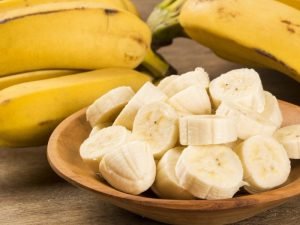
1.Bananas help overcome depression due to high levels of tryptophan, which is converted into serotonin ..
-
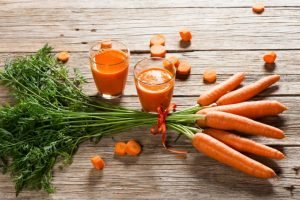
1. Beta carotene: Carrots are a rich source of this powerful antioxidant, which, among other vital uses, ..
-

Tinnitus in the ear can occur due to ear infections, various infections, perforation of the eardrum, ..
-
Comments Off on Pregnancy Calendar – Week 5 of Your Pregnancy

5-week pregnancy “Pregnancy calendar” at week 5: Your baby’s brain is developing. You may feel ..
-
Comments Off on Pregnancy Calendar – Week 4 of Your Pregnancy

4 weeks pregnancy “Pregnancy calendar” at 4th week: A miracle begins! Your baby, now consisting ..
-

How to Boost Your Immune System Naturally for Cold and Flu Season
Cold and flu season can test even healthy routines. In Australia, respiratory infections often become more common during the cooler months from June to August, although timing varies between southern cities and warmer northern areas. Crowded classrooms, open-plan offices, public transport and indoor gatherings can all increase exposure to viruses.
There is no food, tea or supplement that can make the immune system invincible. However, steady habits can support normal immune function, improve recovery and reduce avoidable risks. A practical approach combines nourishing meals, sufficient sleep, movement, hygiene, vaccination and sensible medical care.
Build meals around immune-supporting nutrients
The immune system needs a regular supply of protein, vitamins, minerals and energy. Include foods such as eggs, fish, chicken, tofu, beans, lentils, yoghurt, nuts and seeds across the week. Protein helps maintain tissues and immune cells, while iron, zinc, selenium and vitamin B12 support several processes involved in immune defence.
Fruit and vegetables provide vitamin C, carotenoids, polyphenols and fibre. Citrus fruit, kiwifruit, berries, capsicum, broccoli, leafy greens, tomatoes and sweet potatoes are useful choices. Frozen vegetables and fruit are perfectly practical when fresh produce is expensive or out of season. Australian supermarkets and local greengrocers usually offer good-value options through the cooler months, including mandarins, pumpkin, cabbage and carrots.
A colourful plate is more useful than chasing a single “superfood”. For breakfast, try oats with yoghurt and berries, or wholegrain toast with eggs and tomato. A warming lunch could include vegetable soup with lentils, while dinner might combine salmon or beans with brown rice and steamed greens. These meals support general health and provide the nutrients needed for normal immune activity.
Fibre also supports the gut microbiome, which communicates with the immune system. Gradually increase beans, vegetables, fruit, oats and wholegrain bread while drinking enough water. Older adults who are changing their eating pattern may find this guide to a gentle bowel routine useful when adding more fibre.
Protect sleep, movement and daily recovery
Sleep is one of the most reliable natural ways to support immune health. Most adults need around seven to nine hours, although individual needs differ. A consistent bedtime, a darker bedroom and less screen use before bed may help. Keeping caffeine to the morning or early afternoon can also make it easier to settle at night.
Short nights are common during busy periods, especially for parents, shift workers and university students. Rather than aiming for perfect sleep every evening, protect a regular routine where possible. A quiet wind-down after dinner, such as reading, stretching or listening to calm music, may be more sustainable than relying on sleep products.
Moderate physical activity supports circulation, mood, metabolic health and sleep. Walking, cycling, swimming, dancing and strength exercises can all count. During an Australian winter, a morning walk along a beach or around a local oval may be appealing in Brisbane or Perth, while people in Melbourne, Hobart or Canberra may prefer an indoor session on a cold, wet day.
Exercise should be scaled back when someone has fever, significant fatigue, chest symptoms or breathing difficulty. Training hard while acutely unwell can delay recovery and may be unsafe. Gentle movement can resume as energy returns, but rest is a legitimate part of a healthy routine rather than a sign of laziness.
Use practical habits to reduce exposure
Hand hygiene remains useful, particularly after using public transport, attending school or work, shopping, or spending time in healthcare settings. Wash with soap and running water for about 20 seconds, especially before eating and after coughing or blowing your nose. Alcohol-based hand sanitiser is a convenient alternative when soap and water are unavailable.
Ventilation matters when people share indoor spaces. Opening windows, using fans to improve air exchange and meeting outdoors when weather permits can reduce the concentration of respiratory particles. Staying home when sick protects colleagues, classmates and vulnerable family members. In Australia, a quick message saying you are “under the weather” is often enough to explain why you are skipping an arvo gathering or working remotely.
Avoid sharing drink bottles, cups and cutlery during an outbreak, and clean frequently touched surfaces if someone in the household is unwell. These steps do not guarantee that a person will avoid infection, but they are low-cost ways to reduce transmission.
Vaccination is another important layer of protection. The annual influenza vaccine is updated to match expected circulating strains and is available through GPs, many pharmacies and workplace programmes. COVID-19 vaccination recommendations change according to age, health status and public health advice. Australians can check current guidance through the Australian Government Department of Health and Aged Care, a GP or a pharmacist.
Consider herbs and supplements carefully
Herbal remedies can be part of a comforting routine, but “natural” does not automatically mean effective or safe. Warm lemon and honey drinks may soothe a sore throat, while ginger tea can be pleasant when someone feels nauseated. Honey should never be given to babies under 12 months, and these drinks do not replace water, food or medical treatment.
Garlic, turmeric, echinacea, elderberry and vitamin C are often promoted during cold and flu season. Evidence varies, and benefits may be modest or inconsistent. Vitamin C is important when a person is deficient, but taking large doses after symptoms begin is unlikely to produce a dramatic change. Zinc products may cause side effects and can interact with medicines, especially when used in high amounts or for long periods.
Be cautious with concentrated supplements, essential oils and imported products bought online. In Australia, products listed with an AUST number have been assessed under the Therapeutic Goods Administration framework, but listing does not mean a product works for every purpose or suits every person. People who are pregnant, breastfeeding, taking prescription medicines or managing kidney, liver or autoimmune conditions should consult a GP or pharmacist first.
Do not inhale essential oils, swallow undiluted oils or apply strong preparations to children. Herbal products can affect blood clotting, blood pressure and medication levels. A “detox” product is unnecessary for routine immune support, and restrictive cleanses can leave a person short of energy and nutrients at the very time the body needs them.
Know when home care is not enough
Most uncomplicated colds improve with rest, fluids, nourishing food and time. Saline nasal sprays, warm drinks and a humidified room may ease congestion or throat irritation. Over-the-counter medicines can help with pain or fever, but labels should be followed carefully. Combining several cold and flu products can accidentally lead to too much paracetamol or another active ingredient.
Antibiotics do not treat viral colds or influenza. Taking leftover antibiotics or requesting them for every cough can cause side effects and contribute to antimicrobial resistance. A pharmacist can advise about symptom relief, while a GP can assess whether testing, antiviral treatment or another form of care is appropriate.
Seek urgent medical help for trouble breathing, chest pain, blue or grey lips, severe dehydration, confusion, fainting or a rapidly worsening condition. Babies, older adults, pregnant people and those with asthma, diabetes, heart disease or weakened immunity may need earlier medical advice. In Australia, call 000 for an emergency; for health guidance when it is not life-threatening, Healthdirect is available on 1800 022 222 in participating states and territories.
A simple seasonal routine is easier to maintain than a cupboard full of remedies. These habits provide a sensible foundation:
- Eat a varied diet with vegetables, fruit, wholegrains, legumes and adequate protein.
- Keep regular sleep and wake times, aiming for enough rest most nights.
- Move regularly, while resting and reducing exercise during fever or significant illness.
- Wash hands, improve indoor ventilation and stay home when respiratory symptoms are active.
- Keep recommended influenza and COVID-19 vaccinations up to date after checking current advice.
- Ask a GP or pharmacist before using concentrated herbs or supplements.
Natural immune support is built through ordinary actions repeated over time. A balanced brekkie, a walk, a well-ventilated room and an appropriate vaccination appointment may do more for seasonal resilience than an expensive product promising instant protection.
-
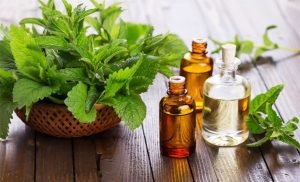
Tea Tree Essential Oil Tea tree oil is often referred to as “medicine cabinet in a bottle,” as it’s ..
-

13 surprising home remedies for acid reflux Before you reach for the heavy-duty, prescription-strength ..
-
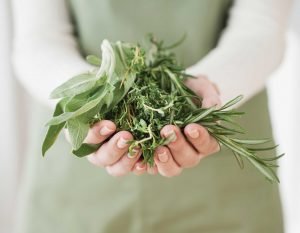
Great Burdock The root is used to treat ‘toxic overload’ that result in throat infections and skin ..