
-

1. Apples Are Nutritious A medium apple is equal to 1.5 cups of fruit. Two cups of fruit daily are recommended ..
-
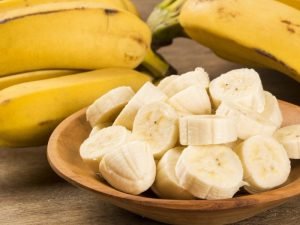
1.Bananas help overcome depression due to high levels of tryptophan, which is converted into serotonin ..
-

1. Beta carotene: Carrots are a rich source of this powerful antioxidant, which, among other vital uses, ..
-

Tinnitus in the ear can occur due to ear infections, various infections, perforation of the eardrum, ..
-
Comments Off on Pregnancy Calendar – Week 5 of Your Pregnancy

5-week pregnancy “Pregnancy calendar” at week 5: Your baby’s brain is developing. You may feel ..
-
Comments Off on Pregnancy Calendar – Week 4 of Your Pregnancy

4 weeks pregnancy “Pregnancy calendar” at 4th week: A miracle begins! Your baby, now consisting ..
-

How to Build a Balanced Meal Plan for Weight Management
A balanced meal plan for weight management should support steady energy, satisfying meals, and a flexible relationship with food. The goal is not to follow a harsh diet or remove entire food groups without a medical reason. Instead, it is to create a dependable eating pattern that provides the nutrients your body needs while matching your appetite, schedule, culture, and health goals.
Weight changes are influenced by many factors, including food intake, movement, sleep, stress, medications, and medical conditions. A useful plan focuses on habits that can be repeated over time. It leaves room for enjoyable foods, social occasions, and adjustments when hunger or daily activity changes.
Healthy eating information can be broad, so it helps to use dependable resources when learning about nutrition, fruits, vegetables, and home wellness practices. Wellness guidance can provide additional general health context, while a registered dietitian or doctor can offer advice tailored to your needs.
Build Meals Around Nutrient-Dense Foods
A practical starting point is to make vegetables and fruit regular parts of your meals. They provide fiber, vitamins, minerals, and water, which can support fullness and digestive health. Use fresh, frozen, or canned produce according to availability and budget. When choosing canned options, look for fruit packed in water or its own juice and vegetables with little or no added salt.
Add a source of protein to most meals. Beans, lentils, eggs, fish, poultry, tofu, yogurt, cottage cheese, nuts, and seeds can all contribute protein. Protein helps meals feel more satisfying and supports the maintenance of muscle tissue. Varying your choices also introduces different nutrients and keeps the menu from becoming repetitive.
Choose mostly whole or minimally processed carbohydrate sources, such as oats, brown rice, potatoes, quinoa, whole-grain bread, corn, and whole-wheat pasta. Carbohydrates are an important source of energy, especially for people who exercise or have physically demanding routines. The quality and portion of the carbohydrate matter more than treating all carbohydrates as unhealthy.
Use a Simple Plate Framework
A visual plate method can make meal planning easier than counting every calorie. Fill about half the plate with non-starchy vegetables, such as leafy greens, peppers, broccoli, tomatoes, mushrooms, green beans, or zucchini. Reserve roughly one quarter for protein and one quarter for a high-fiber carbohydrate. Add a small amount of healthy fat, such as olive oil, avocado, tahini, or nuts.
This framework is a guide rather than a strict rule. A person with higher energy needs may require larger portions of carbohydrates or protein, while someone with a smaller appetite may prefer several modest meals. Soups, stews, grain bowls, and mixed dishes can follow the same principle even when the ingredients are not separated on a plate.
Flavor has a major role in making nutritious meals appealing. Herbs, spices, citrus juice, garlic, ginger, vinegar, and fresh chilies can add taste without relying heavily on sugar or excess salt. A satisfying meal should include texture and variety as well as nutrients, such as crunchy vegetables with soft beans or creamy yogurt alongside whole-grain toast.
Manage Portions Without Feeling Deprived
Portion awareness is useful because even nutritious foods can contribute more energy than intended when servings grow gradually. Try serving food on a smaller plate or bowl, placing snacks into a dish instead of eating directly from a package, and pausing before taking seconds. Eating slowly can give the body more time to register fullness.
You do not need to avoid favorite foods to manage weight. Include them in sensible portions and pair them with foods that offer protein or fiber. For example, a small dessert can follow a balanced meal, or a few chips can accompany a bean-based lunch. Planned enjoyment often works better than rigid restriction, which can increase cravings and lead to an all-or-nothing cycle.
Drinks deserve attention because sweetened coffee, soda, energy drinks, and large amounts of juice can add substantial calories without creating much fullness. Water, sparkling water, unsweetened tea, and low-sugar beverages can be regular choices. If you enjoy sweet drinks, reduce the amount gradually or reserve them for specific occasions rather than trying to change everything at once.
Compare Meal Components at a Glance
The following framework can help you evaluate a meal without turning eating into a complicated calculation. The examples are interchangeable, so choose foods that suit your preferences, budget, and dietary requirements.
Meal component Main purpose Practical examples Helpful planning cue Non-starchy vegetables Fiber, volume, vitamins, and minerals Spinach, carrots, cabbage, broccoli, peppers, tomatoes Include one or two types at lunch and dinner Fruit Natural sweetness, fiber, and micronutrients Apples, berries, oranges, pears, melon, bananas Use as a snack or part of breakfast Protein foods Fullness and muscle support Eggs, lentils, chicken, fish, tofu, Greek yogurt Add a clear protein source to each main meal High-fiber carbohydrates Energy and sustained satisfaction Oats, potatoes, beans, brown rice, whole-grain bread Choose minimally processed options often Healthy fats Flavor and support for nutrient absorption Avocado, olive oil, seeds, nuts, nut butter Use modest portions because fats are energy-dense Calcium-rich choices Bone-supporting nutrients and protein Milk, fortified plant milk, yogurt, calcium-set tofu Include regularly if appropriate for your diet Hydrating drinks Fluid balance Water, herbal tea, sparkling water Keep a drink available during the day Plan Meals Around Your Real Schedule
A meal plan is more effective when it reflects your actual week. Begin by listing two or three breakfast options, several lunches, and a handful of dinners that you genuinely enjoy. Repeat meals when convenient. Batch-cooking grains, roasting vegetables, washing fruit, or preparing beans can reduce the effort required on busy days.
Keep simple emergency foods available for times when cooking is not possible. Examples include canned tuna or beans, whole-grain crackers, frozen vegetables, eggs, yogurt, fruit, hummus, and pre-cooked grains. A quick meal assembled from these foods can be more balanced than skipping lunch and becoming extremely hungry later.
Snacks are optional, not mandatory. They may be helpful when there is a long gap between meals, when exercise increases appetite, or when smaller meals suit your routine. Combine at least two food groups for greater staying power, such as an apple with peanut butter, yogurt with berries, or carrots with hummus.
Hunger and fullness cues can guide adjustments. Persistent hunger may mean that meals lack enough protein, fiber, or total food. Feeling overly full after most meals may suggest that portions are too large or that meals are being eaten quickly. If appetite changes are sudden, severe, or associated with other symptoms, seek medical advice.
Adapt the Plan to Your Health Needs
There is no universal calorie target or ideal menu. Age, body size, activity level, pregnancy, breastfeeding, food allergies, digestive conditions, medications, and cultural eating patterns all influence nutritional needs. A weight-management plan should protect health and energy rather than prioritize rapid results.
People with diabetes, kidney disease, eating disorder history, gastrointestinal disorders, or other medical concerns should seek individualized guidance before making major dietary changes. Pregnancy and breastfeeding also require special attention, and intentional weight loss may be inappropriate during these periods unless a qualified clinician recommends it.
Vegetarian and vegan meal plans can be nutritionally complete when they include varied protein sources and attention to nutrients such as vitamin B12, iron, calcium, iodine, vitamin D, and omega-3 fats. Those avoiding dairy or gluten can also build balanced meals through suitable fortified alternatives and naturally compatible foods. Reading labels and discussing supplements with a professional may be helpful.
Monitor progress with more than the scale. Energy, hunger, sleep, mood, digestion, strength, and consistency can reveal whether a plan is working. Body weight naturally fluctuates due to fluid balance, sodium intake, hormones, and digestion. Looking at trends over several weeks gives a more useful picture than reacting to a single measurement.
Practical Habits That Support Consistency
Small environmental changes can make balanced eating easier when motivation is low.
- Plan the next day’s breakfast or lunch before going to bed.
- Keep washed fruit and ready-to-eat vegetables where they are easy to see.
- Pair restaurant meals with a vegetable side, bean dish, or lean protein.
- Shop with a flexible list based on meals you intend to prepare.
- Review hunger, energy, and satisfaction weekly instead of judging a single meal.
Aim for gradual progress rather than perfection. One unbalanced meal does not determine your health, just as one nutritious meal cannot compensate for an unsustainable routine. Return to your usual pattern at the next meal without punishment, fasting, or excessive exercise.
It can also help to identify the reason behind eating choices. Stress, boredom, poor sleep, and long periods without food may affect appetite. Regular meals, adequate sleep, movement, and stress-management practices can support food decisions, though they should not be treated as substitutes for professional care when emotional eating or disordered eating is present.
Start by selecting a few meals that fit the plate framework and prepare the ingredients you need for the coming days. Keep portions flexible, include foods you enjoy, and make one adjustment at a time. If you need personalized support, arrange a conversation with a registered dietitian or healthcare professional who can help create a safe plan for your circumstances.
-

Tea Tree Essential Oil Tea tree oil is often referred to as “medicine cabinet in a bottle,” as it’s ..
-

13 surprising home remedies for acid reflux Before you reach for the heavy-duty, prescription-strength ..
-

Great Burdock The root is used to treat ‘toxic overload’ that result in throat infections and skin ..