
-
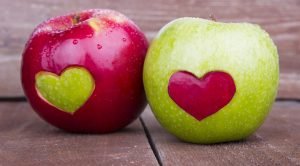
1. Apples Are Nutritious A medium apple is equal to 1.5 cups of fruit. Two cups of fruit daily are recommended ..
-
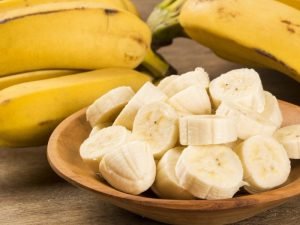
1.Bananas help overcome depression due to high levels of tryptophan, which is converted into serotonin ..
-

1. Beta carotene: Carrots are a rich source of this powerful antioxidant, which, among other vital uses, ..
-

Tinnitus in the ear can occur due to ear infections, various infections, perforation of the eardrum, ..
-
Comments Off on Pregnancy Calendar – Week 5 of Your Pregnancy

5-week pregnancy “Pregnancy calendar” at week 5: Your baby’s brain is developing. You may feel ..
-
Comments Off on Pregnancy Calendar – Week 4 of Your Pregnancy

4 weeks pregnancy “Pregnancy calendar” at 4th week: A miracle begins! Your baby, now consisting ..
-

How to Build a Balanced Plate for All-Day Energy
Steady energy begins with the food choices made at each meal. A balanced plate supplies carbohydrates for fuel, protein for lasting fullness, healthy fats for satisfaction, and fiber-rich plants that support digestion and blood sugar regulation. When these components work together, energy is less likely to rise sharply and then crash.
The goal is not to follow a rigid menu or measure every bite. It is to create a practical meal pattern that provides a broad range of nutrients while matching your appetite, activity level, schedule, and health needs. A colorful plate can support concentration in the morning, stamina through the afternoon, and a more comfortable evening.
Food quality matters, but timing and portion balance matter too. Eating only refined carbohydrates may leave you hungry soon after a meal, while a very heavy meal can cause sluggishness. Learning how to combine foods makes everyday eating more satisfying and helps turn nutrition advice into a routine that can last.
Start with a simple plate formula
A useful visual guide is to fill about half the plate with vegetables and fruit, one quarter with protein, and one quarter with whole-grain or starchy carbohydrates. Add a small serving of healthy fat, such as olive oil, avocado, seeds, or nuts. This approach offers flexibility without requiring calorie counting.
Vegetables can include leafy greens, carrots, peppers, tomatoes, broccoli, mushrooms, or roasted root vegetables. Fruit may be served with breakfast, added to a salad, or enjoyed as a snack. Choose fresh, frozen, or canned options with little or no added sugar; each can contribute vitamins, minerals, antioxidants, and fiber.
The plate method is a starting point rather than a strict rule. Someone training for an endurance event may need more carbohydrates, while a person with a smaller appetite may prefer several modest meals. People managing diabetes, kidney disease, food allergies, or digestive conditions should adapt the formula with guidance from a qualified health professional.
Choose carbohydrates that release energy gradually
Carbohydrates are the body’s preferred fuel, especially for the brain and working muscles. The most supportive choices are generally minimally processed foods such as oats, brown rice, quinoa, barley, beans, lentils, potatoes, sweet potatoes, and whole-grain bread. These foods provide energy along with fiber and useful micronutrients.
Fiber slows digestion and can help promote a more even rise in blood glucose. Pairing carbohydrates with protein or fat has a similar balancing effect. For example, oatmeal with Greek yogurt and berries is more sustaining than a bowl of sweetened cereal alone. A baked potato with beans and vegetables can provide a satisfying meal without relying on heavily processed ingredients.
Refined grains and sugary drinks can still appear occasionally, but they are less useful as the main source of daily fuel. Sweet beverages are especially easy to consume quickly without feeling full. Water, unsweetened tea, or milk can usually support hydration more effectively, while whole fruit offers fiber that juice lacks.
Add protein and healthy fats
Protein helps maintain muscle tissue, supports immune function, and increases the staying power of a meal. Good options include eggs, fish, poultry, lean meat, tofu, tempeh, beans, lentils, cottage cheese, yogurt, and nuts. Plant-based meals can provide adequate protein when they include a varied combination of legumes, soy foods, whole grains, seeds, and nuts.
Try to include a protein source at breakfast rather than waiting until lunch or dinner. Eggs with whole-grain toast, plain yogurt with fruit and seeds, or tofu with vegetables can provide a more stable beginning to the day. For a quick meal, a bean spread or tuna filling can turn a simple sandwich into a more balanced option.
Dietary fat is also important for hormone production, cell health, and absorption of vitamins A, D, E, and K. Focus on unsaturated fats from olive oil, avocado, walnuts, almonds, flaxseed, chia seeds, and oily fish. Portions still matter because fats are energy-dense, but removing them completely may leave meals less satisfying and reduce the absorption of certain nutrients.
Match meals to your daily rhythm
A balanced breakfast is helpful for people who wake hungry or need mental focus early in the day. Combining protein, fiber, and slow-digesting carbohydrates may prevent midmorning cravings. A vegetable omelet with whole-grain toast, overnight oats with nuts, or a fruit-and-yogurt bowl can all work well.
Lunch should be substantial enough to carry you through the afternoon without causing excessive fullness. A grain bowl with roasted vegetables, chickpeas, leafy greens, and a tahini dressing is one flexible example. A soup made with beans and vegetables alongside whole-grain bread can also provide hydration, fiber, and plant-based protein.
Dinner can follow the same pattern, with portions adjusted according to activity and appetite. If evening exercise is part of your routine, a carbohydrate-rich snack before activity and a protein-containing meal afterward may support performance and recovery. Eating slowly and noticing fullness can help prevent the common cycle of under-eating early and overeating late.
Meal component Helpful choices Energy-supporting role Vegetables and fruit Greens, berries, peppers, apples, broccoli Fiber, vitamins, minerals, and antioxidants Protein Eggs, fish, beans, tofu, yogurt Fullness, muscle maintenance, and recovery Whole-food carbohydrates Oats, quinoa, brown rice, potatoes Primary fuel for the brain and muscles Healthy fats Avocado, olive oil, nuts, seeds Satisfaction and absorption of fat-soluble vitamins Fluids Water, milk, unsweetened tea Hydration and normal body function Build practical meals and snacks
Meal preparation does not need to involve elaborate recipes. Cooking a batch of grains, washing produce, boiling eggs, or preparing beans in advance can make balanced choices easier on busy days. Keep convenient ingredients available, such as frozen vegetables, canned beans, plain yogurt, whole-grain wraps, and unsalted nuts.
Snacks are useful when there is a long gap between meals, hunger follows exercise, or a smaller meal was eaten earlier. A snack that combines at least two food groups is often more satisfying than a highly sweetened product. An apple with peanut butter, carrots with hummus, yogurt with berries, or roasted chickpeas can provide a mixture of carbohydrates, protein, and fiber.
Hydration also influences how you feel throughout the day. Mild dehydration may contribute to tiredness, headaches, or difficulty concentrating. Drink regularly and increase fluids during hot weather or physical activity. Water is a dependable choice, while soups, fruit, and vegetables contribute smaller amounts as well.
For readers seeking additional health information or wishing to share a general editorial question, the site provides a protected contact link. Personal medical concerns should be discussed with a licensed clinician rather than managed through general wellness content.
Adjust the plate to your needs
Energy requirements vary with age, body size, physical activity, sleep, stress, and medical conditions. A person who spends several hours exercising may need larger portions of carbohydrates and protein. Someone with a sedentary routine may feel better with smaller portions while keeping vegetables, protein, and fiber prominent.
Cultural foods can fit comfortably into a balanced eating pattern. Rice, corn, noodles, flatbreads, beans, root vegetables, and traditional stews can all form part of a nourishing plate. Instead of labeling foods as forbidden, consider how the meal can be improved with extra vegetables, a protein source, or a less processed carbohydrate.
Food sensitivity and digestive comfort deserve attention as well. If a meal pattern consistently causes bloating, pain, diarrhea, reflux, or unusual fatigue, record the foods and symptoms and seek professional advice. Restricting major food groups without a clear reason can create nutritional gaps and make eating more stressful.
Recommendations for consistent energy
- Fill half the plate with vegetables or fruit, then add protein and a whole-food carbohydrate.
- Include a protein source at breakfast, lunch, dinner, and snacks when needed.
- Choose water or unsweetened drinks most often, especially instead of sugary beverages.
- Prepare a few versatile ingredients in advance so balanced meals are easier during busy periods.
- Adjust portions to appetite, activity, health conditions, and guidance from a qualified professional.
A nourishing plate does not need to be perfect at every meal. What matters is the pattern created across the day and week: varied plants, dependable protein, high-quality carbohydrates, beneficial fats, and enough fluid. Start with one meal, use the plate formula as a visual guide, and gradually make balanced choices part of your regular routine.
-

Tea Tree Essential Oil Tea tree oil is often referred to as “medicine cabinet in a bottle,” as it’s ..
-

13 surprising home remedies for acid reflux Before you reach for the heavy-duty, prescription-strength ..
-

Great Burdock The root is used to treat ‘toxic overload’ that result in throat infections and skin ..