
-

1. Apples Are Nutritious A medium apple is equal to 1.5 cups of fruit. Two cups of fruit daily are recommended ..
-
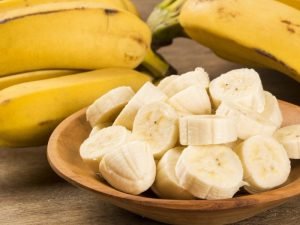
1.Bananas help overcome depression due to high levels of tryptophan, which is converted into serotonin ..
-
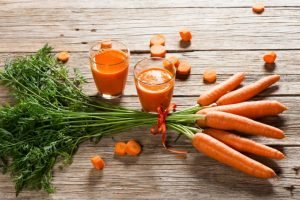
1. Beta carotene: Carrots are a rich source of this powerful antioxidant, which, among other vital uses, ..
-

Tinnitus in the ear can occur due to ear infections, various infections, perforation of the eardrum, ..
-
Comments Off on Pregnancy Calendar – Week 5 of Your Pregnancy

5-week pregnancy “Pregnancy calendar” at week 5: Your baby’s brain is developing. You may feel ..
-
Comments Off on Pregnancy Calendar – Week 4 of Your Pregnancy

4 weeks pregnancy “Pregnancy calendar” at 4th week: A miracle begins! Your baby, now consisting ..
-
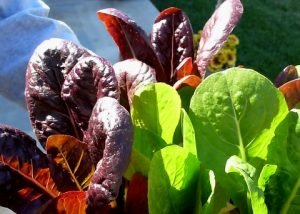
Choosing healthier oils for high-heat cooking and fresh salads
Cooking oil affects flavour, texture, smoke, and the type of fat in a meal. The healthiest choice depends on how the oil will be used, because a dressing needs different qualities from an oil used in a hot wok or frying pan.
For everyday cooking, oils rich in unsaturated fats are generally preferable to those high in saturated fat. Extra virgin olive oil, canola oil, peanut oil, avocado oil, and some sunflower oils can all have a place in a balanced kitchen when used in sensible amounts.
Heat matters, but smoke point is not the only measure of quality. An oil that starts smoking is overheating and should be replaced, while an oil that remains stable during gentle cooking may be a better choice than one selected only for an impressive smoke-point number.
Australian kitchens have plenty of options, from locally produced olive oil and canola oil to imported avocado, rice bran, and grapeseed oils. Reading the label, checking the storage conditions, and matching the oil to the recipe can make the choice simpler.
Match the oil to the cooking temperature
High-heat cooking includes stir-frying, pan-searing, roasting, grilling, and deep-frying. These methods can expose oil to temperatures well above 180°C, particularly in a dry pan or when food is cooked in batches. A refined oil with a neutral flavour is often practical for this purpose because it has been filtered and processed to remove compounds that burn more readily.
Canola oil is a useful all-round option for Australian households. It has a mild flavour, a relatively high smoke point, and a favourable balance of monounsaturated and polyunsaturated fats. Refined olive oil, peanut oil, rice bran oil, and avocado oil can also work well for hotter cooking, although price and availability vary between supermarkets.
Extra virgin olive oil is often treated as unsuitable for heat, but this is too simplistic. Quality extra virgin olive oil can be used for sautéing, roasting, and ordinary pan cooking when the temperature is controlled. Its distinctive flavour and antioxidant compounds make it especially appealing for lower-temperature cooking and finishing.
Understand what smoke point tells you
Smoke point is the temperature at which an oil visibly smokes and begins to break down. Smoke can irritate the eyes and throat, and repeated overheating may produce unwanted degradation compounds. If oil smokes, turn off the heat, move the pan away from the burner, and allow it to cool before deciding whether it should be discarded.
The smoke point can vary according to how an oil was processed, how old it is, and whether food particles or water are present. A refined version of an oil usually has a higher smoke point than an unrefined version. This explains why refined avocado or rice bran oil may suit high-temperature cooking, while cold-pressed oils are often better appreciated in dressings.
Smoke point does not reveal the full nutritional profile. An oil can tolerate heat yet contain a less desirable fat pattern, while an oil with a lower smoke point may provide beneficial monounsaturated fats and a pleasant flavour when used appropriately. Heat control, pan size, cooking time, and the oil’s freshness all matter.
Choose unsaturated fats for everyday meals
Monounsaturated fats are abundant in olive, avocado, and peanut oils. They are a useful replacement for butter, ghee, lard, and other fats that contain more saturated fat. Polyunsaturated fats, found in canola, sunflower, soybean, and grapeseed oils, are also important in a balanced eating pattern.
The Australian Dietary Guidelines support replacing saturated fats with unsaturated varieties where practical. This does not mean pouring oil freely into every meal. All oils are energy-dense, so a measured tablespoon can be more useful than an unplanned splash, especially when cooking for weight management or monitoring overall calorie intake.
Canola oil is often overlooked because it is inexpensive and familiar, yet it offers a strong nutritional profile for routine use. Extra virgin olive oil brings flavour and naturally occurring plant compounds. Peanut oil suits Asian-style cooking but is unsuitable for anyone with a peanut allergy, and sesame oil is best used in smaller amounts because its flavour is intense.
Keep a few oils for different jobs
A small collection is usually more useful than a cupboard crowded with speciality bottles. Choose one dependable oil for cooking, one flavourful oil for salads, and perhaps one oil suited to a particular cuisine. This approach can reduce waste and prevents an expensive bottle from sitting open for months.
Useful choices for common kitchen tasks include:
- Extra virgin olive oil for salad dressings, dips, vegetables, and moderate-heat cooking
- Canola oil for roasting, baking, stir-frying, and general family meals
- Refined avocado or rice bran oil for higher-heat cooking when a neutral taste is preferred
- Peanut oil for wok cooking, provided there is no allergy concern
- Toasted sesame oil as a finishing ingredient rather than the main frying oil
In Australia, extra virgin olive oil from South Australia, Victoria, Western Australia, and New South Wales is widely available, while Australian canola is commonly sold through major supermarkets. At Woolworths, Coles, Aldi, and independent grocers, compare the ingredient panel and processing description rather than assuming the most expensive bottle is automatically the best choice.
For deep-frying, the cooking method itself matters as much as the oil. Maintain a steady temperature, avoid overcrowding the pot, strain reusable oil carefully, and do not keep using oil that is dark, foamy, thick, or strongly rancid. Home cooks preparing chips or seafood for a weekend barbecue should also avoid repeatedly heating the same oil.
Build better salad dressings
Salads benefit from oils that taste fresh and complement acidic ingredients. Extra virgin olive oil is a dependable base for vinaigrettes, especially with lemon juice, vinegar, mustard, garlic, and herbs. Avocado oil has a mild, buttery character, while cold-pressed canola oil is light enough for dressings without dominating leafy greens.
A simple dressing can use three parts oil to one part vinegar or lemon juice, adjusted to taste. Adding salt, pepper, mustard, herbs, or yoghurt changes the texture and flavour without requiring a large amount of oil. Using a whisk or sealed jar helps temporarily combine the ingredients, although separation is natural.
For warm Australian weather, a dressing should be prepared in a clean jar and refrigerated if it contains fresh garlic, herbs, dairy, or other perishable ingredients. Plain oil-and-vinegar dressings keep longer, but their aroma and flavour are still best when the oil is fresh. A small bottle used regularly is often preferable to a large container stored beside a hot stove.
Read labels and store oil carefully
Look for a clear oil name rather than a vague description such as “vegetable oil”. The nutrition panel can show saturated fat, but it does not always reveal whether the product is refined, blended, cold-pressed, or intended mainly for finishing. “Light olive oil” usually refers to lighter flavour, not fewer kilojoules.
The harvest or best-before date can help when buying extra virgin olive oil, although storage after opening is equally important. Choose a dark glass bottle, tin, or opaque container when possible. Clear bottles exposed to bright supermarket lighting may allow light to damage delicate compounds over time.
Good storage habits include:
- Keep oil in a cool, dark cupboard away from the oven, dishwasher, and sunny kitchen window
- Close the cap firmly after every use to limit oxygen exposure
- Buy smaller bottles of delicate oils that are used occasionally
- Check for stale, waxy, crayon-like, or paint-like smells before cooking
- Never pour fresh oil into a bottle containing old residue without cleaning it first
The privacy contact page may be useful for site-related enquiries, while food safety questions involving allergies, pregnancy, or a diagnosed condition are best discussed with a qualified Australian health professional.
Use heat gently and vary your choices
Even a suitable oil can become unpleasant when a pan is left empty over high heat. Add the oil after the pan has warmed, watch for shimmering rather than smoking, and lower the burner when food begins to brown too quickly. A wok should be hot enough to cook efficiently but not so hot that the oil burns before the ingredients enter.
Oil can be part of a broader cooking pattern that includes steaming, baking, grilling, and using water or stock to soften vegetables. For a Mediterranean-style meal, extra virgin olive oil may finish roasted pumpkin or a tomato salad. For a quick weeknight stir-fry, canola or peanut oil can provide a mild, heat-tolerant base.
Flavoured oils and fresh herbs can make simple meals more appealing, but herbs added to oil require care because moist ingredients can support harmful bacterial growth if stored incorrectly. Fresh lemongrass and pandan can bring fragrance to Southeast Asian dishes; a lemongrass growing guide can help home gardeners understand how these plants are cultivated, though home-grown herbs should be washed and handled safely before use.
There is no single perfect cooking oil for every recipe. A practical Australian kitchen can rely on a fresh extra virgin olive oil for salads and finishing, a versatile canola oil for everyday heat, and a suitable refined oil when very high temperatures or a neutral flavour are needed. Using the right amount, preventing smoke, and storing each bottle well matter as much as the label on the front.
-
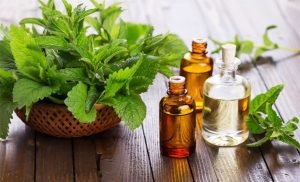
Tea Tree Essential Oil Tea tree oil is often referred to as “medicine cabinet in a bottle,” as it’s ..
-

13 surprising home remedies for acid reflux Before you reach for the heavy-duty, prescription-strength ..
-
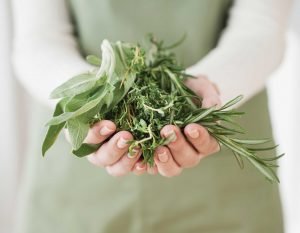
Great Burdock The root is used to treat ‘toxic overload’ that result in throat infections and skin ..