
-

1. Apples Are Nutritious A medium apple is equal to 1.5 cups of fruit. Two cups of fruit daily are recommended ..
-
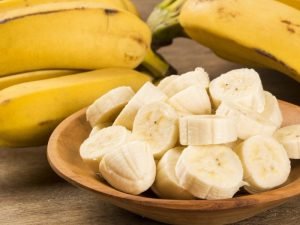
1.Bananas help overcome depression due to high levels of tryptophan, which is converted into serotonin ..
-
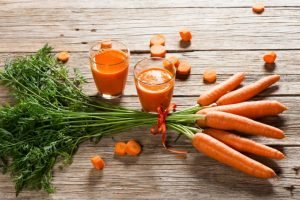
1. Beta carotene: Carrots are a rich source of this powerful antioxidant, which, among other vital uses, ..
-

Tinnitus in the ear can occur due to ear infections, various infections, perforation of the eardrum, ..
-
Comments Off on Pregnancy Calendar – Week 5 of Your Pregnancy

5-week pregnancy “Pregnancy calendar” at week 5: Your baby’s brain is developing. You may feel ..
-
Comments Off on Pregnancy Calendar – Week 4 of Your Pregnancy

4 weeks pregnancy “Pregnancy calendar” at 4th week: A miracle begins! Your baby, now consisting ..
-
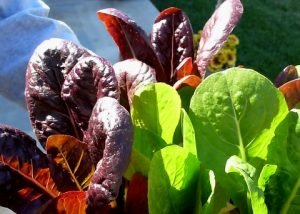
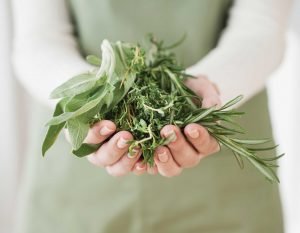
How to Create a Calming Herbal Tea Blend for Stressful Days
A warm cup of herbal tea can create a useful pause when work, family responsibilities, traffic, or constant notifications begin to feel overwhelming. The value is partly sensory: fragrant leaves, gentle warmth, and a few quiet minutes can help mark a transition between a demanding task and a slower part of the day. A thoughtfully chosen blend may also provide a pleasant caffeine-free alternative to another coffee.
You do not need a large collection of specialist ingredients. A simple combination of herbs from a supermarket, health-food shop, bulk-food store, or local market can be enough. Chamomile, lemon balm, peppermint, lavender, and ginger are widely available in Australia, although availability and quality vary between suppliers.
The best blend for you will depend on flavour, personal tolerance, medications, and the time of day. Some herbs are naturally floral, some are fresh and minty, while others provide warmth or a mild citrus note. Start with small quantities so you can adjust the taste without wasting ingredients.
Herbal tea is supportive rather than a treatment for ongoing anxiety, insomnia, or severe distress. Persistent symptoms deserve attention from a GP or qualified mental health professional. For everyday tension, however, a consistent tea ritual can sit comfortably alongside sleep habits, movement, breathing exercises, and regular meals.
Choose Herbs For A Steady, Gentle Blend
Chamomile is a popular base because its apple-like, slightly sweet flavour is soft and familiar. Lemon balm adds a fresh citrus character and can make a blend taste brighter without adding caffeine. Peppermint contributes a cooling finish, while ginger gives the cup a warming, spicy edge that can be especially appealing on a cold morning in Melbourne or Canberra.
Lavender should be used sparingly. Its aroma can be soothing, but too much creates a perfumed, bitter drink. Rose petals may add a delicate floral quality, and rooibos can provide a naturally caffeine-free, rounded base with a mild sweetness. Rooibos is not technically a tea made from Camellia sinensis, so it contains no natural caffeine unless another ingredient has been added.
A balanced mixture usually contains one main herb, one supporting herb, and a small accent. This approach prevents strong flavours from competing. For example, chamomile and lemon balm make a gentle pairing, while peppermint and ginger suit people who prefer a livelier cup. Dried herbs are convenient, but use food-grade products intended for drinking rather than decorative botanicals.
Helpful Ingredients For A Calming Cup
- Chamomile provides a soft, lightly sweet base with a familiar floral aroma.
- Lemon balm adds a clean citrus note that pairs well with chamomile or rooibos.
- Peppermint gives a refreshing flavour, though it may not suit people with frequent reflux.
- Ginger adds warmth and depth, especially when used with lemon balm or a small piece of lemon peel.
Build The Blend Around A Simple Formula
For a small jar, begin with four tablespoons of a base herb, two tablespoons of a supporting herb, and one teaspoon of an accent ingredient. A practical first blend is four tablespoons of chamomile, two tablespoons of lemon balm, and one teaspoon of lavender. Mix the dried herbs gently in a clean bowl, then store them in an airtight glass jar away from sunlight, steam, and heat.
Use about one heaped teaspoon of the blend for each 250-millilitre mug. If you prefer a stronger infusion, increase the steeping time before adding more herbs. Keeping the proportions modest makes it easier to identify any ingredient that causes an unpleasant reaction. Write the ingredients and date on the jar, particularly if several people in the household use herbal products.
Flavour can be adjusted without turning the tea into a sugary drink. A strip of fresh lemon zest, a little honey, or a few slices of fresh ginger can change the character of the cup. Honey should not be given to babies under 12 months, and anyone managing diabetes may wish to account for sweeteners within their usual eating plan.
Brewing Methods For Busy Australian Days
Place the herbs in a teapot, tea infuser, or reusable stainless-steel basket. Pour over freshly boiled water, cover the vessel, and steep for five to ten minutes. Covering the tea helps retain volatile aromatic compounds, while straining prevents the drink from becoming overly strong or dusty. Taste it after five minutes, then continue steeping if you want a fuller flavour.
For an office in Sydney, a university day in Brisbane, or a long commute from an outer suburb, a lidded travel infuser can make the routine easier. Prepare a dry portion in a small container the night before, then add hot water when needed. During hot weather, brew the tea normally, let it cool, and serve it over ice with lemon. Avoid leaving milk-based drinks or sweetened tea at room temperature for long periods.
A cold infusion also works for delicate herbs. Add the blend to cool water in a covered jug and refrigerate it for several hours, then strain before drinking. This method produces a lighter flavour and can be useful during an Australian summer. Keep the drink chilled and consume it promptly rather than storing it for many days.
Ways To Make The Tea Ritual More Consistent
- Keep a small jar of the blend beside the kettle, but away from steam and direct sunlight.
- Use a timer or a favourite mug as a cue to pause between work and evening tasks.
- Carry a sealed infuser bottle when commuting, travelling, or spending time outdoors.
- Pair the drink with slow breathing, gentle stretching, or a short screen-free break.
Check Safety, Medicines And Pregnancy
Natural ingredients can still affect the body. Chamomile may trigger a reaction in people sensitive to plants in the daisy family, including ragweed, chrysanthemums, and marigolds. Peppermint can aggravate reflux for some people, and ginger may be unsuitable in larger supplemental amounts for individuals taking certain medicines. Stop using a blend if it causes rash, swelling, breathing difficulty, marked nausea, or another concerning symptom.
People taking prescription medicines should check with a pharmacist or GP before drinking concentrated herbal preparations regularly. This is particularly important with medicines that affect blood clotting, blood pressure, blood sugar, sleep, or the nervous system. A normal food-style infusion is generally milder than a capsule, tincture, or highly concentrated extract, but “mild” does not mean universally risk-free.
Pregnancy and breastfeeding require extra care because safety evidence differs between herbs and dosages. A familiar food ingredient used occasionally may be treated differently from a strong daily blend. Pregnant people should discuss regular herbal tea use with their midwife, obstetrician, GP, or pharmacist, especially if the mixture includes multiple botanicals. Children also need age-appropriate guidance rather than an adult-strength cup.
Read packaging carefully when buying premixed products. In Australia, products marketed with therapeutic claims may fall under the Therapeutic Goods Administration framework, while ordinary herbal teas sold as foods are subject to food standards and labelling requirements. A product listed on the Australian Register of Therapeutic Goods is not automatically suitable for every person. Avoid assuming that a “natural” label guarantees effectiveness, purity, or safety.
Store Ingredients And Adjust The Ritual
Buy small amounts until you know which flavours you enjoy. Australian supermarkets often stock chamomile, peppermint, ginger, and rooibos, while specialist grocers, herbal shops, and farmers markets may offer lemon balm or culinary lavender. At a market, ask how the herbs were dried and packaged, but still check the label for ingredient names, use-by information, and any allergen statements.
Store dried herbs in airtight containers with the lid firmly closed. Heat and humidity can reduce quality, which matters in warm areas such as Cairns or during a humid summer in coastal Queensland. Discard herbs that smell musty, show moisture, or contain signs of mould or insects. Fresh lemon, mint, or ginger should be stored according to normal food-safety practices rather than kept in the dry blend.
A calming tea works best when it is easy to repeat. Choose one dependable time, such as after arriving home, before reading, or following an evening shower. The act of measuring, steeping, and drinking can provide a clear boundary around the day, even when the herbs themselves have modest effects.
If you need to contact the publisher about an ingredient or article detail, use the site’s contact details. For health concerns, seek advice from an Australian health professional who can consider your symptoms, medicines, pregnancy status, and medical history.
-
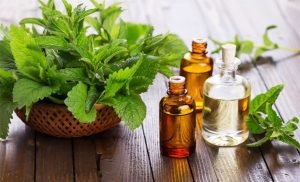
Tea Tree Essential Oil Tea tree oil is often referred to as “medicine cabinet in a bottle,” as it’s ..
-

13 surprising home remedies for acid reflux Before you reach for the heavy-duty, prescription-strength ..
-
Great Burdock The root is used to treat ‘toxic overload’ that result in throat infections and skin ..