
-

1. Apples Are Nutritious A medium apple is equal to 1.5 cups of fruit. Two cups of fruit daily are recommended ..
-
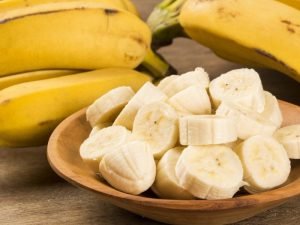
1.Bananas help overcome depression due to high levels of tryptophan, which is converted into serotonin ..
-
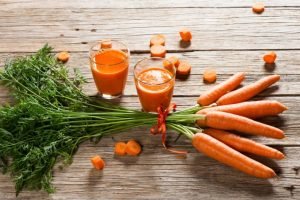
1. Beta carotene: Carrots are a rich source of this powerful antioxidant, which, among other vital uses, ..
-

Tinnitus in the ear can occur due to ear infections, various infections, perforation of the eardrum, ..
-
Comments Off on Pregnancy Calendar – Week 5 of Your Pregnancy

5-week pregnancy “Pregnancy calendar” at week 5: Your baby’s brain is developing. You may feel ..
-
Comments Off on Pregnancy Calendar – Week 4 of Your Pregnancy

4 weeks pregnancy “Pregnancy calendar” at 4th week: A miracle begins! Your baby, now consisting ..
-

How to create a healthy eating plan for managing PCOS symptoms
Polycystic ovary syndrome (PCOS) is a common hormonal and metabolic condition that can affect ovulation, menstrual timing, skin and hair, and the way the body handles blood glucose. Food cannot remove ovarian cysts or cure PCOS, but a regular, balanced eating pattern can support insulin regulation, energy and day-to-day wellbeing. For many, it is also a practical way to make meals more predictable, filling and affordable.
An effective plan should be flexible enough for work, travel, shift work and social events while providing enough protein, fibre and healthy fats to feel satisfied. It should supply nutrients that support bone health, blood formation and future pregnancy, not simply reduce the amount of food eaten. Restricting intake aggressively may lower a short-term number on the scale while worsening fatigue, mood or menstrual symptoms for some people.
Australians often build meals around supermarket staples, takeaway, weekend barbecues and quick café purchases. You can apply that reality without creating a separate “PCOS diet”: use labels and affordable produce, adapt familiar recipes, and treat the plan as a repeatable routine rather than a list of forbidden foods. This approach also allows for different energy needs, budgets, cultural traditions and stages of life.
What PCOS means for blood glucose and hormones
Insulin resistance is common in PCOS, although not everyone has it. When cells respond poorly to insulin, higher circulating insulin can influence ovarian androgen production and ovulation. Eating patterns that steady post-meal glucose are therefore useful, particularly for people with cravings, fatigue or difficulty managing weight, but dietary changes do not guarantee cycle regularity. Hormonal medicines and reproductive treatments may still be needed.
Instead of chasing individual nutrients, focus on four anchors: fibre-rich carbohydrates, adequate protein, unsaturated fats and minimally processed foods with enough colour and variety. Fibre slows digestion and supports bowel health; protein and fat add satiety; and vegetables, fruit, legumes, wholegrains, nuts and seeds provide a strong micronutrient base. Including foods with naturally occurring phytonutrients also supports cardiovascular and metabolic health.
Some people with PCOS improve ovulation after a modest, clinician-guided reduction in excess body fat, while others do not need or want weight loss. Avoid rigid calorie targets that ignore your activity, culture or health history. Better markers are whether the plan supports regular periods, manageable hunger, stable energy, strength and a healthy relationship with food. Your clinician can help interpret weight changes without making them the sole measure of success.
Build a balanced plate for everyday meals
A simple plate method works well: fill about half the plate with vegetables or salad, add a palm-sized portion of protein such as fish, chicken, eggs, tofu, beans or lentils, and include a measured serve of a high-fibre carbohydrate such as oats, brown rice, wholemeal bread or sweet potato. Add a modest amount of olive oil, avocado, nuts or seeds for unsaturated fat. Water or an unsweetened drink usually works better than juice, which supplies less fibre for the same amount of sugar.
The Australian Dietary Guidelines emphasise vegetables, fruit, legumes, wholegrains and limiting saturated fat, which aligns with this plate. At Woolworths, Coles and independent grocers, frozen vegetables, tinned beans, oats, brown rice, eggs, plain yoghurt and frozen fish can be economical and nutritionally useful. Woolworths’ Healthy Useful Cheap program helps shoppers find lower-cost fruit, vegetables and legumes. Food Standards Australia New Zealand sets the rules for ingredient and nutrition labels, while eligible packaged foods may display the Australian Government’s Health Star Rating. Use the panels to compare products, not to label foods as forbidden.
Healthy meals should still taste like home. In Melbourne, Sydney and Brisbane, Asian and Middle Eastern grocers offer tofu, tempeh, miso, red lentils, chickpeas, buckwheat noodles and plenty of leafy greens. Build plates around familiar ingredients, then adjust seasoning and sauces for sodium and added sugar. Cultural fit matters because a plan you can sustain is more valuable than a theoretically perfect menu. Many traditional dishes can meet this structure by using wholegrain staples and keeping generous portions of vegetables.
Choose carbohydrates and fats for steadier energy
Carbohydrates are not the enemy. The useful distinction is between foods that deliver a large glycaemic load with little fibre and foods that combine starch with fibre, protein or fat. Swap sugary drinks and white bread for water, fruit with nuts, or wholegrain toast with eggs. Lower-glycaemic choices can be helpful, especially when meals are large or blood glucose rises quickly, but glycaemic index alone does not determine whether a meal suits you.
Give each meal a protein anchor. Greek yoghurt, tofu, eggs, fish, chicken, beans or nuts can slow hunger and make the accompanying carbohydrate more satisfying. Choose mostly unsaturated fats from olive oil, avocado, nuts, seeds and oily fish, and limit frequent meals high in processed meat or deep-fried food. These patterns also support cardiovascular health, which matters because PCOS is associated with increased long-term risk of type 2 diabetes and heart disease.
A sample day could include yoghurt with berries, oats and chia for breakfast; a wholegrain wrap with hummus, salad and grilled chicken for lunch; salmon, broccoli and brown rice for dinner; and fruit with a small handful of almonds as a snack. Portions depend on your hunger, activity, medication and goals, so treat this as a template rather than a fixed prescription. Rotate foods within the same pattern so the plan remains varied and nutritionally adequate.
Plan for busy weeks and changing routines
A plan survives when it has anchors rather than daily perfection. Choose two reliable breakfasts, one batch-cooked grain, one substantial soup or curry, and a backup meal you can assemble without cooking. This suits Australian work lunches, long commutes, shared offices and takeaway-heavy weeks, while keeping ingredients affordable and reusable. A short shopping list tied to planned meals also reduces impulse purchases and food waste.
Use these weekly recommendations as a flexible checklist:
- Choose a repeatable breakfast. Overnight oats, yoghurt with fruit, or eggs on wholemeal toast take little preparation and cover several common morning routines, including eating before a commute or packing food for an early shift.
- Cook a versatile base. Make a batch of brown rice, quinoa or lentils, then turn it into bowls, wraps or warm salads with different vegetables, herbs and proteins.
- Keep two emergency meals nearby. Store nuts, fruit and a shelf-stable protein such as tins of fish or beans, plus wholegrain crackers, for hunger between meetings, classes or journeys.
- Shop from a short list. Plan four core meals before buying extras, and include one fresh, one frozen and one tinned vegetable to reduce waste, spoilage and cost.
- Balance takeaway rather than cancelling it. Add salad or vegetables, choose a smaller serve of chips, and favour grilled or steamed options when available. A home dinner before a social meal can also balance the day without rigid food rules.
- Review patterns, not single meals. Note cycles, energy, hunger and cravings over several weeks, then make one small adjustment with your clinician or dietitian instead of following every food trend.
Meal timing can be as practical as meal content. If you commute across Melbourne or work long shifts in Perth, keep a drinkable yoghurt or plain milk nearby; if you study on campus, pack a substantial lunch rather than relying on a pastry. On barbecue weekends, fill half the plate with salad or grilled vegetables, add a protein and leave room for a smaller serving of high-fibre starch. Flexible planning supports the pattern far better than a short-lived strict diet.
Protect long-term health with clinical support
Fibre deserves attention because it supports gut bacteria, bowel regularity and glucose control. Increase gradually toward about 25 grams a day for many adult women, with water, beans, lentils, oats, vegetables, fruit, nuts and seeds helping you get there. Calcium, vitamin D, iron and iodine also matter, particularly with heavy periods or when pregnancy is planned. Dairy, fortified alternatives and seafood can contribute, but individual requirements and supplement needs differ.
Seek medical advice if periods are very heavy, absent for about three months, or accompanied by severe pain, or if acne, excess hair or fertility concerns are affecting you. A GP can assess PCOS, exclude other causes and coordinate blood tests. An accredited practising dietitian can individualise carbohydrate portions, food preferences and budget, while medicines used for ovulation or insulin resistance should not be started, stopped or changed without the prescriber.
Australian food standards require folic acid fortification in flour used for bread-making, so checking bread labels is useful when planning pregnancy, alongside advice about iodine and prenatal vitamins. No herbal tea, “hormone-balancing” supplement or special food can replace medical care, and some products interact with medicines. The strongest results come from a sustainable pattern alongside sleep, regular movement and appropriate clinical treatment, with progress judged over months rather than one weigh-in.
-

Tea Tree Essential Oil Tea tree oil is often referred to as “medicine cabinet in a bottle,” as it’s ..
-

13 surprising home remedies for acid reflux Before you reach for the heavy-duty, prescription-strength ..
-
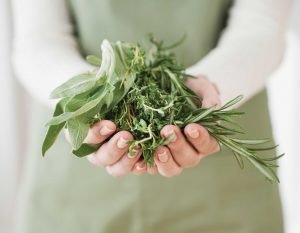
Great Burdock The root is used to treat ‘toxic overload’ that result in throat infections and skin ..