
-

1. Apples Are Nutritious A medium apple is equal to 1.5 cups of fruit. Two cups of fruit daily are recommended ..
-
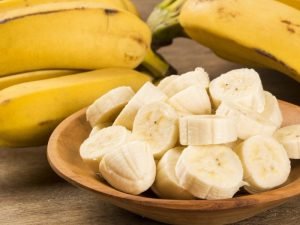
1.Bananas help overcome depression due to high levels of tryptophan, which is converted into serotonin ..
-
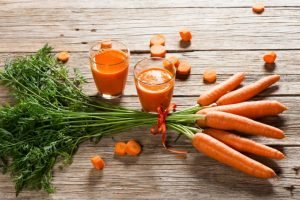
1. Beta carotene: Carrots are a rich source of this powerful antioxidant, which, among other vital uses, ..
-

Tinnitus in the ear can occur due to ear infections, various infections, perforation of the eardrum, ..
-
Comments Off on Pregnancy Calendar – Week 5 of Your Pregnancy

5-week pregnancy “Pregnancy calendar” at week 5: Your baby’s brain is developing. You may feel ..
-
Comments Off on Pregnancy Calendar – Week 4 of Your Pregnancy

4 weeks pregnancy “Pregnancy calendar” at 4th week: A miracle begins! Your baby, now consisting ..
-

How to Build a Weekly Meal Prep Plan for Healthy Eating
A weekly meal prep plan turns healthy eating from a daily decision into a manageable routine. Rather than cooking every meal from scratch, you prepare key ingredients and a few complete dishes in advance. This saves time, reduces reliance on takeout, and makes balanced choices easier when your schedule becomes busy.
Effective meal planning does not require identical containers lined up in the refrigerator. A practical approach combines nutritious staples, flexible recipes, fresh produce, and enough variety to keep meals appealing. The goal is to create a system that fits your appetite, budget, cooking space, and available time.
Before you begin, consider the people eating the meals, any food allergies, and relevant health needs. Someone managing diabetes, kidney disease, food intolerances, or a medically complicated pregnancy may need individualized advice from a qualified healthcare professional. For general editorial questions about nutrition content, the editorial contact page can provide a useful starting point.
Start With Your Weekly Rhythm
Look at the week ahead before choosing recipes. Note workdays, school commitments, exercise sessions, appointments, and evenings when you are likely to have little energy. A household with several late nights may benefit from two large batch-cooked meals, while someone working from home may prefer prepared ingredients for quick assembly.
Decide how many breakfasts, lunches, dinners, and snacks you realistically need. Preparing 21 completely different meals can create unnecessary work and food waste. A simpler pattern might include overnight oats for three mornings, two lunch options, three dinners, and washed fruit or yogurt for snacks.
Choose one main preparation day and, if possible, a short midweek refresh. The main session can cover cooking and portioning, while the second session can replenish salad greens, cut vegetables, or prepare another protein. This schedule helps maintain freshness without requiring a long kitchen session every day.
Build Meals Around Balanced Components
A well-rounded meal generally includes a source of protein, a high-fiber carbohydrate, vegetables or fruit, and a moderate amount of healthy fat. Protein may come from beans, lentils, eggs, fish, chicken, tofu, tempeh, Greek yogurt, or lean meat. Fiber-rich carbohydrates include oats, brown rice, quinoa, potatoes, whole-grain pasta, and whole-grain bread.
Vegetables add color, texture, vitamins, minerals, and volume. Prepare a mixture of roasted, steamed, sautéed, and raw vegetables so meals do not taste repetitive. Frozen vegetables can be just as useful as fresh options, particularly when certain produce is expensive or out of season.
Healthy fats improve flavor and can help meals feel satisfying. Avocado, nuts, seeds, olive oil, tahini, and natural nut butter are convenient choices. Since fats are energy-dense, use sensible portions while considering your overall nutritional needs.
Meal component Convenient choices Preparation ideas Protein Lentils, eggs, tofu, chicken, fish, beans Roast, simmer, bake, or boil in batches High-fiber carbohydrate Oats, quinoa, brown rice, potatoes, whole-grain pasta Cook plain and season differently during the week Vegetables Broccoli, carrots, peppers, spinach, cabbage, frozen vegetables Roast a tray, steam quickly, or keep some raw Fruit Apples, oranges, berries, bananas, melon Wash, portion, or freeze for smoothies Healthy fat Olive oil, avocado, seeds, nuts, tahini Add dressings, toppings, or spreads just before eating Flavor builders Herbs, garlic, ginger, lemon, salsa, yogurt sauces Store separately to protect texture and freshness Choose Recipes That Share Ingredients
A smart grocery list uses overlapping ingredients without making every meal taste the same. For example, a batch of roasted vegetables can accompany chicken one night, fill a grain bowl the next day, and become a tortilla filling later in the week. Cooked lentils may work in soup, salad, or a spiced tomato dish.
Use a combination of reliable recipes and simple assembly meals. A vegetable frittata, bean chili, soup, or sheet-pan dinner can provide several servings. In between, combine prepared ingredients into wraps, salads, grain bowls, sandwiches, or snack plates. This gives you variety with less cooking.
Consider how well each food stores. Soups, stews, cooked grains, beans, and roasted vegetables usually hold up well. Delicate greens, cut avocado, crispy toppings, and dressed salads are better kept separate until serving. Sauces and dressings should also be stored in small containers when possible.
Shop, Store, And Prepare Safely
Write your shopping list by category: produce, proteins, grains, refrigerated foods, pantry staples, and flavorings. Check the refrigerator and cupboards first so you do not buy ingredients you already have. Planning around existing foods lowers costs and helps prevent forgotten items from expiring.
When you return from shopping, refrigerate foods that require cold storage promptly. Wash produce according to food safety guidance, then dry leafy greens thoroughly before storing them. Keep raw meat, poultry, and seafood separate from ready-to-eat foods, and use different cutting boards or clean surfaces carefully between tasks.
Divide cooked food into shallow containers so it cools more quickly. Refrigerate meals within a safe timeframe, label containers with the preparation date, and freeze portions that will not be eaten soon. Reheat leftovers until they are steaming hot throughout, and discard food that smells unusual, has changed texture, or has been stored beyond a safe period.
Make Portioning Flexible
Meal prep works best when portions reflect individual hunger rather than forcing everyone to eat the same amount. Store components separately when possible, allowing a person to add more vegetables, protein, or carbohydrates according to appetite and activity. This is especially helpful in families with different energy needs.
A useful visual guide is to fill about half the plate with vegetables and fruit, then divide the remaining space between protein and a high-fiber carbohydrate. This is a general framework rather than a strict rule. Cultural foods, personal preferences, medical needs, and dietary patterns can all fit within a healthy meal plan.
Pack snacks with purpose instead of relying on highly processed foods when hunger strikes. Pairing foods can support lasting satisfaction, such as an apple with peanut butter, yogurt with berries, carrots with hummus, or whole-grain crackers with cheese. Keep portions practical and choose snacks that match the demands of the day.
Keep The Menu Interesting
Flavor variation can make the same basic ingredients feel completely different. Season one batch of vegetables with garlic and herbs, then use curry spices, chili, lemon, or a mild soy-ginger combination in other meals. Fresh herbs, citrus juice, salsa, pickled vegetables, and yogurt-based sauces can refresh leftovers quickly.
Vary the texture of your meals as well. Combine soft grains with crisp vegetables, creamy beans with toasted seeds, or warm roasted foods with cool greens. Keep crunchy toppings separate until serving so they do not become soggy in storage.
Plan one flexible meal for the end of the week. This might be a vegetable omelet, fried rice made with leftovers, soup, a baked potato bar, or a large salad assembled from remaining ingredients. A flexible meal helps clear the refrigerator and reduces waste without feeling like an obligation to finish an unappealing dish.
Practical Habits That Keep Prep Sustainable
A successful routine should make life easier, not consume every free hour. Start with one or two recipes and a few ready-to-eat ingredients instead of attempting a complete restaurant-style menu. You can expand the routine after learning which foods your household actually eats.
Use the following habits to keep weekly preparation efficient:
- Begin with a short menu of repeatable breakfasts, lunches, dinners, and snacks.
- Cook ingredients that can serve several meals, such as grains, beans, roasted vegetables, and eggs.
- Store sauces, fresh herbs, crunchy toppings, and delicate produce separately.
- Label portions with dates and freeze extras before they become forgotten leftovers.
- Keep a backup meal, such as canned beans with whole-grain toast or frozen vegetables with eggs, for unexpectedly busy days.
Review the plan at the end of the week. Notice which meals were convenient, which ingredients went unused, and whether portions were satisfying. Small adjustments—buying fewer greens, preparing more protein, or changing the prep day—can make the routine increasingly personal and practical.
Healthy meal preparation also benefits from a realistic attitude toward convenience foods. Prewashed vegetables, frozen fruit, canned beans, low-sodium soups, and ready-cooked grains can all reduce kitchen time. Check labels for added salt, sugar, and saturated fat when those factors matter to your dietary needs, but remember that convenience is often what makes consistent healthy eating possible.
Start with a simple plan for the next seven days: select a few balanced meals, make a focused shopping list, prepare adaptable ingredients, and store them safely. Once the routine becomes familiar, build on it with new vegetables, herbs, whole grains, and nourishing recipes that suit your lifestyle.
-

Tea Tree Essential Oil Tea tree oil is often referred to as “medicine cabinet in a bottle,” as it’s ..
-

13 surprising home remedies for acid reflux Before you reach for the heavy-duty, prescription-strength ..
-
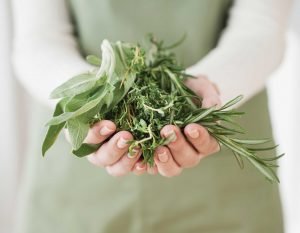
Great Burdock The root is used to treat ‘toxic overload’ that result in throat infections and skin ..