
-

1. Apples Are Nutritious A medium apple is equal to 1.5 cups of fruit. Two cups of fruit daily are recommended ..
-

1.Bananas help overcome depression due to high levels of tryptophan, which is converted into serotonin ..
-

1. Beta carotene: Carrots are a rich source of this powerful antioxidant, which, among other vital uses, ..
-

Tinnitus in the ear can occur due to ear infections, various infections, perforation of the eardrum, ..
-
Comments Off on Pregnancy Calendar – Week 5 of Your Pregnancy

5-week pregnancy “Pregnancy calendar” at week 5: Your baby’s brain is developing. You may feel ..
-
Comments Off on Pregnancy Calendar – Week 4 of Your Pregnancy

4 weeks pregnancy “Pregnancy calendar” at 4th week: A miracle begins! Your baby, now consisting ..
-

How to identify and treat common allergies naturally
Allergies develop when the immune system reacts to a substance that is usually harmless, such as pollen, dust mites, animal dander, a food protein, or an ingredient in a medicine. The response may affect the nose, eyes, skin, lungs, or digestive system. Symptoms can be mild and seasonal, or sudden and potentially life-threatening.
Natural allergy care focuses on reducing exposure, calming irritation, and supporting the body with safe habits. It can be useful for mild hay fever, contact irritation, and some recurring skin symptoms, but it should not replace emergency treatment or professional diagnosis.
The first step is to identify the pattern. Note what you were exposed to, how quickly symptoms appeared, which parts of the body were affected, and whether the problem returns in a particular season or setting. This information can help distinguish an allergy from an infection, intolerance, or another health condition.
Recognizing common allergy symptoms
Respiratory allergies often cause sneezing, a runny or blocked nose, itching in the nose or throat, watery eyes, and postnasal drip. Hay fever, also called allergic rhinitis, commonly becomes worse after exposure to tree, grass, or weed pollen. Dust mites and pet dander may cause symptoms throughout the year, especially indoors or during cleaning.
Skin reactions may include itching, hives, redness, swelling, or patches of dry, inflamed skin. A contact allergy usually appears where the skin touched a trigger, such as nickel, fragrance, hair dye, latex, or a cosmetic ingredient. Hives can spread beyond the area of contact and may result from foods, medicines, infections, heat, pressure, or unknown causes.
Food allergies can cause tingling or itching in the mouth, facial swelling, hives, vomiting, stomach cramps, diarrhea, coughing, wheezing, or throat tightness. Symptoms that begin within minutes to a few hours after eating deserve careful attention. A food intolerance, such as lactose intolerance, may cause digestive discomfort without involving the immune system, so it does not carry the same risk of anaphylaxis.
Finding the trigger safely
A symptom diary is a practical first tool. Record meals, outdoor activities, cleaning, contact with animals, new products, medicines, exercise, and the timing of symptoms. Also note whether symptoms improve when you leave a particular room or avoid a specific product. Patterns are often more useful than trying to remove many foods or household items at once.
Reduce exposure without creating unnecessary restrictions. During high-pollen periods, keep windows closed when counts are high, shower after outdoor activities, and change clothes before bed. Wash bedding regularly in hot water when appropriate for the fabric, use allergen-resistant covers if dust mites are suspected, and clean surfaces with a damp cloth rather than spreading dust into the air.
For skin problems, stop one new cosmetic, detergent, fragrance, or jewelry item at a time. A small patch test may help identify irritation, but it cannot reliably predict a serious allergy. Do not deliberately consume a suspected food or apply a suspected medicine to “test” your reaction. Food challenges and allergy testing should be supervised by a qualified clinician.
Natural relief for nasal and eye symptoms
A saline nasal rinse can wash away pollen, dust, and thick mucus. Use sterile saline made with distilled, sterile, or previously boiled and cooled water. A clean neti pot or squeeze bottle is essential, and the device should be washed and dried after each use. Tap water that has not been treated appropriately can introduce harmful organisms into the nasal passages.
A warm shower may loosen mucus, while a cool, clean cloth over the eyes can reduce itching and swelling. Artificial tears can rinse allergens from the eye surface. Try not to rub the eyes, as rubbing can increase inflammation and damage the delicate skin around them. Sunglasses worn outdoors may reduce contact with airborne pollen.
Good indoor air habits can also help. Ventilate rooms when outdoor pollen levels are lower, use a properly maintained high-efficiency air purifier in a bedroom if needed, and keep pets out of sleeping areas when animal dander is a trigger. Air conditioning filters should be changed according to the manufacturer’s instructions.
Herbal teas, local honey, and supplements are often promoted for seasonal allergies, but evidence is limited and products are not risk-free. Honey does not reliably prevent pollen allergy because the pollen involved in hay fever is usually different from the pollen found in honey. Butterbur can cause serious liver injury unless it is a verified, pyrrolizidine-alkaloid-free product, and even then it may interact with medicines. Discuss quercetin, nettle, or other supplements with a healthcare professional before use.
Allergy pattern Common clues Lower-risk supportive care When to seek medical advice Seasonal nasal allergy Sneezing, itchy eyes, clear runny nose during pollen seasons Saline rinse, showering after outdoor exposure, closed windows during high pollen Symptoms affect sleep, breathing, work, or continue for weeks Dust or pet allergy Symptoms indoors, during cleaning, or near animals Wash bedding, reduce bedroom allergens, use a suitable air filter Ongoing wheezing, asthma symptoms, or poor control Contact dermatitis Itchy rash where a product, metal, or plant touched the skin Stop the suspected trigger, use fragrance-free moisturizer, apply cool compresses Spreading rash, infection signs, facial involvement, or repeated flares Food allergy Hives, swelling, vomiting, cough, or throat symptoms after eating Avoid the suspected food and record the reaction Any breathing problem, faintness, throat swelling, or widespread reaction Drug allergy Rash, swelling, wheezing, or other symptoms after a medicine Stop only when advised if it is an essential prescribed medicine; record the drug and reaction Immediate assessment for swelling, breathing difficulty, blistering, or fever Calming allergic skin reactions
For mild contact dermatitis, gently wash the area with lukewarm water and a fragrance-free cleanser, then apply a plain moisturizer while the skin is still slightly damp. Cool compresses for 10 to 15 minutes can reduce itching. Loose cotton clothing may be more comfortable than wool or synthetic fabrics during a flare.
Avoid scratching, harsh exfoliation, essential oils, and homemade mixtures containing lemon juice, vinegar, baking soda, or undiluted herbs. These substances can damage the skin barrier and worsen inflammation. “Natural” ingredients such as tea tree oil, propolis, and fragrances can themselves cause allergic contact dermatitis.
A clinician or pharmacist can advise whether a short course of an appropriate topical medicine is suitable. Seek care if the rash is painful, warm, oozing, rapidly spreading, accompanied by fever, or located near the eyes. Persistent eczema-like symptoms may need evaluation for eczema, psoriasis, fungal infection, scabies, or an underlying contact allergy.
Managing food allergy risks
The safest natural approach to a suspected food allergy is careful avoidance while arranging professional assessment. Read ingredient labels each time because recipes and manufacturing processes can change. Prevent cross-contact by cleaning utensils and surfaces and by asking restaurants about ingredients and preparation. Avoid broad elimination diets unless they are guided by a dietitian, especially for children, pregnant people, and anyone with weight loss or nutritional concerns.
Do not rely on activated charcoal, vinegar, herbal preparations, or extra water after a reaction. These methods cannot stop anaphylaxis. Anyone with a diagnosed severe food allergy should carry prescribed epinephrine and know how to use it. Epinephrine is the first-line treatment for anaphylaxis; antihistamines do not replace it because they do not reliably reverse airway swelling, low blood pressure, or shock.
Call emergency services immediately for trouble breathing, throat or tongue swelling, faintness, confusion, blue or pale skin, repeated vomiting with other allergic symptoms, or rapidly spreading hives. Use an epinephrine auto-injector if prescribed, then seek emergency care because symptoms can return after initial improvement.
Extra care for children and pregnancy
Children may describe allergy symptoms differently. They may rub their nose upward, sleep poorly, breathe through the mouth, develop dark circles under the eyes, or become irritable. Ask a pediatric professional before giving herbal products, essential oils, supplements, or over-the-counter allergy medicines. Avoid putting essential oils near a child’s nose or using them in a humidifier, where concentrated vapors may irritate the airways.
Pregnancy can change nasal congestion, skin sensitivity, and medication choices. Saline sprays or rinses, trigger avoidance, hydration, and careful indoor cleaning are generally useful supportive measures, but supplements and medicinal herbs should be reviewed before use. “Natural” does not automatically mean safe during pregnancy or breastfeeding, and some products vary widely in strength or contain undisclosed ingredients.
Asthma, eczema, recurrent sinus symptoms, and allergies often overlap. A healthcare professional can help determine whether coughing or chest tightness is allergic asthma, an infection, reflux, or another problem. Babies, older adults, and people with heart or lung disease may need earlier medical advice when symptoms appear.
Building a practical allergy-care routine
Natural strategies work best when they are specific, consistent, and paired with appropriate medical care. Focus on the trigger most strongly connected with symptoms rather than attempting to sterilize the entire home or remove numerous foods. Keep a record of what helps, and stop any remedy that causes burning, rash, stomach upset, or breathing changes.
Useful daily measures include:
- Check local pollen levels and plan outdoor activities when exposure is lower.
- Wash hands and face after outdoor time, and change clothes before sleeping.
- Keep the bedroom clean, dry, and as free from dust and pet allergens as practical.
- Use fragrance-free skin and laundry products during a dermatitis flare.
- Keep prescribed emergency medicine accessible and review the action plan regularly.
Arrange an appointment for recurring symptoms, suspected food or medicine allergy, persistent hives, or reactions that interfere with sleep and daily life. Allergy testing may identify useful avoidance measures, while treatment such as antihistamines, nasal medication, inhalers, or immunotherapy can be considered when needed. Testing is most valuable when guided by the symptom history; broad commercial panels can produce confusing false-positive results.
Pay attention to changes in severity. A reaction that was mild in the past can become more serious, and symptoms involving more than one body system deserve prompt evaluation. Record the suspected trigger, timing, symptoms, treatment used, and recovery time so a healthcare professional can make a safer assessment.
Start with one evidence-informed change today: remove a likely irritant, use a safe saline rinse, wash away pollen after being outdoors, or arrange an evaluation for a recurring reaction. Thoughtful observation and timely care make natural allergy management safer and more effective.
-
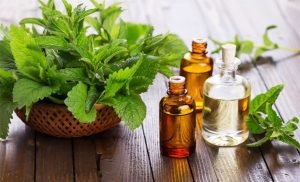
Tea Tree Essential Oil Tea tree oil is often referred to as “medicine cabinet in a bottle,” as it’s ..
-

13 surprising home remedies for acid reflux Before you reach for the heavy-duty, prescription-strength ..
-

Great Burdock The root is used to treat ‘toxic overload’ that result in throat infections and skin ..