
-

1. Apples Are Nutritious A medium apple is equal to 1.5 cups of fruit. Two cups of fruit daily are recommended ..
-
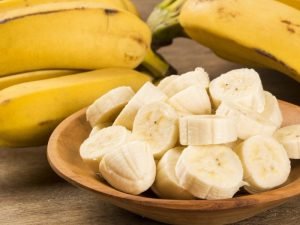
1.Bananas help overcome depression due to high levels of tryptophan, which is converted into serotonin ..
-
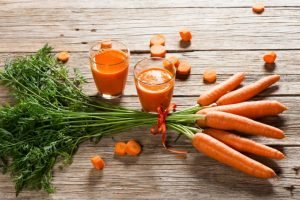
1. Beta carotene: Carrots are a rich source of this powerful antioxidant, which, among other vital uses, ..
-

Tinnitus in the ear can occur due to ear infections, various infections, perforation of the eardrum, ..
-
Comments Off on Pregnancy Calendar – Week 5 of Your Pregnancy

5-week pregnancy “Pregnancy calendar” at week 5: Your baby’s brain is developing. You may feel ..
-
Comments Off on Pregnancy Calendar – Week 4 of Your Pregnancy

4 weeks pregnancy “Pregnancy calendar” at 4th week: A miracle begins! Your baby, now consisting ..
-

How to Add More Omega-3s to a Plant-Based Diet
Omega-3 fatty acids support normal cell function, brain health, eyesight and cardiovascular health. They are often associated with oily fish, yet people following a vegetarian or vegan eating pattern can obtain useful amounts from seeds, nuts, plant oils and algae-based products. The key is understanding the different types of omega-3 and including reliable sources regularly.
A plant-based diet can meet many nutritional needs when meals are varied and thoughtfully planned. In Australia, chia seeds, linseeds, walnuts, tofu, soy milk and fortified foods are widely available through supermarkets, health-food shops and local markets. A few practical habits can make omega-3 intake more consistent without changing the entire way you eat.
Understand the different omega-3 fats
The main plant-derived omega-3 is alpha-linolenic acid, or ALA. It is an essential fatty acid, which means the body cannot make enough of it and must receive it from food. Linseeds, chia seeds, hemp seeds, walnuts and canola oil are especially useful sources.
The body can convert ALA into the longer-chain omega-3 fats EPA and DHA, but this conversion is limited and varies between individuals. EPA and DHA are more directly involved in brain, eye and cardiovascular functions. Algae-based supplements provide DHA and sometimes EPA without using fish, making them a practical option for people who avoid seafood.
Omega-3 foods work best as part of an overall eating pattern rather than as a single “superfood” solution. A bowl of porridge with ground linseed, a salad with canola-based dressing and tofu at dinner may provide a more dependable routine than eating a large amount of one ingredient occasionally.
Make seeds part of everyday meals
Seeds are among the simplest ways to increase plant-based omega-3 intake. Ground linseeds, also called flaxseeds, can be stirred into porridge, yoghurt alternatives, smoothies, soups and homemade muffins. Grinding them helps the body access their nutrients, while whole seeds may pass through the digestive system partly undigested.
Chia seeds absorb liquid and can be used in overnight oats, puddings or drinks. Hemp seeds contain ALA as well as protein and minerals, so they are useful sprinkled over roasted vegetables, grain bowls or avocado toast. Keep seeds in an airtight container in the refrigerator, particularly after grinding, because their oils can become rancid when exposed to heat, light and air.
A simple Australian breakfast might combine rolled oats, calcium-fortified soy milk, sliced banana, one tablespoon of chia seeds and ground linseed. This approach suits busy mornings in Melbourne or Brisbane and requires little preparation beyond mixing the ingredients the night before.
Simple seed additions for the week
- Add ground linseed to porridge, cereal or a fruit smoothie.
- Sprinkle chia or hemp seeds over salads, soups and roasted vegetables.
- Blend chia seeds into overnight oats with soy milk or a calcium-fortified alternative.
- Use walnuts in place of some breadcrumbs in savoury toppings or vegetable patties.
Choose plant oils and whole-food sources
Canola oil is a useful source of ALA and is commonly available in Australian supermarkets. It has a mild flavour and can be used in salad dressings, stir-fries and baking. Extra virgin olive oil is valuable for other reasons, including its predominantly monounsaturated fat and plant compounds, but it is not a major omega-3 source. Using both oils for their different qualities can create a balanced kitchen routine.
Walnuts also supply ALA and can add texture to meals. Try them in a lentil salad, blended into a vegetable sauce or served with fruit as a snack. Soy foods, such as tofu, tempeh, edamame and unsweetened soy milk, contribute protein and can make a plant-based diet more satisfying, although their omega-3 content is generally lower than that of chia or linseed.
Australian produce markets often make it easy to pair these foods with seasonal vegetables. A lunch of chickpeas, leafy greens, tomato, avocado, walnuts and a canola-oil dressing is filling, affordable and suitable for meal preparation. Choose unsalted nuts where possible, especially if packaged snacks already contribute a lot of sodium.
Look for fortified foods thoughtfully
Some plant milks, spreads and other products are fortified with nutrients that may be limited in vegan diets. Check the nutrition information panel and ingredient list rather than assuming every soy, oat, almond or rice milk contains omega-3. A product may be fortified with ALA from linseed oil, while another may contain no omega-3 at all.
Fortified foods can be convenient for people who commute across Sydney or work irregular hours, but they should complement whole foods. A fortified breakfast spread does not replace the nutritional variety provided by legumes, grains, vegetables, nuts and seeds. Comparing products also helps avoid choosing an item that is high in added sugar, saturated fat or sodium.
Food labelling in Australia is regulated under the Australia New Zealand Food Standards Code, administered through Food Standards Australia New Zealand. Nutrition claims still need to be interpreted carefully: a statement about containing omega-3 does not necessarily mean that a product supplies DHA or EPA. Look for the specific fatty acid listed and compare the amount per serving.
When buying plant milk, select an unsweetened product fortified with calcium and vitamin B12 if appropriate for your diet. Omega-3 fortification is an additional benefit, not a reason to overlook other nutritional details. Refrigerate products as directed and use them before the stated date.
Consider algae-based DHA and EPA
Algae is the original source of the DHA found in many marine food chains, which makes algae oil a suitable vegan alternative to fish oil. Capsules and liquid products differ in their amounts of DHA, EPA, serving size and added ingredients. Read the label to determine the actual DHA and EPA content instead of judging a product by the total amount of oil.
A supplement may be worth discussing with a healthcare professional if you rarely eat ALA-rich foods, have increased nutritional needs, or want a direct source of DHA and EPA. People who are pregnant, breastfeeding, taking anticoagulant medicines, preparing for surgery or managing a chronic condition should seek individual advice before starting supplements. Anyone with an allergy or sensitivity should check the full ingredient list.
In Australia, complementary medicines are regulated by the Therapeutic Goods Administration, but products can still vary in quality and formulation. Look for an Australian Register of Therapeutic Goods entry where relevant, follow the labelled dose and avoid taking several products with overlapping ingredients.
Healthy Life Live readers who need to contact the site about an article can use the website contact link, while personal nutrition concerns are best directed to an accredited practising dietitian or medical practitioner. Supplements should support a sound eating pattern rather than compensate for a narrow diet.
Questions to check on an algae supplement label
- Does it specify the amount of DHA, EPA or both per serving?
- Is the product suitable for vegans and free from ingredients you need to avoid?
- Does it provide batch, storage and expiry information?
- Could it interact with medicines or duplicate another supplement you already take?
Build a practical weekly routine
Consistency matters more than adding a large quantity of omega-3 foods once a month. Choose two or three habits that fit your normal schedule, such as adding ground linseed to breakfast, keeping walnuts at work or using canola oil in home cooking. People who shop at Woolworths, Coles, ALDI or a local grocer can usually find several options without visiting a specialist store.
A weekly meal plan could include chia overnight oats on Monday, tofu and vegetable stir-fry on Tuesday, walnut pesto with wholegrain pasta on Wednesday and a lentil bowl with a canola-oil dressing on Thursday. Repeating ingredients across meals reduces food waste and makes plant-based nutrition easier to manage. Store linseed, chia and walnuts correctly, and buy smaller amounts if you use them slowly.
Pay attention to the rest of the diet as well. Adequate energy, protein, iron, iodine, calcium, vitamin B12 and vitamin D may be important considerations for people eating entirely or mostly plant foods. Some people may benefit from professional dietary assessment, particularly during pregnancy, adolescence, older age or periods of illness.
A balanced omega-3 shopping list
- Ground linseed or whole linseed to grind at home.
- Chia seeds, hemp seeds and unsalted walnuts.
- Tofu, tempeh, edamame and calcium-fortified soy milk.
- Canola oil for dressings, baking and moderate-heat cooking.
- An algae-derived DHA or EPA product when professional advice supports its use.
Cook and store omega-3 foods with care
Omega-3 fats are vulnerable to oxidation, particularly when exposed to heat, oxygen and light for long periods. Keep ground linseed and hemp seeds refrigerated, and store walnuts in the refrigerator or freezer if you will not use them quickly. A bitter or paint-like smell can indicate that an oil-rich food has spoiled.
Use canola oil in ordinary cooking, but avoid repeatedly heating the same oil or letting it smoke. Add chia, linseed and hemp seeds after cooking where practical, such as stirring them into a finished porridge or sprinkling them over a warm curry. This preserves texture and can reduce unnecessary exposure to high temperatures.
A varied plant-based eating pattern can provide regular ALA while algae products can supply preformed DHA or EPA when needed. The most useful approach is realistic: keep a few omega-3-rich ingredients visible, add them to meals you already enjoy and review your overall nutrition rather than relying on one product.
-
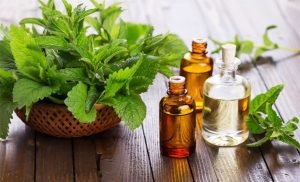
Tea Tree Essential Oil Tea tree oil is often referred to as “medicine cabinet in a bottle,” as it’s ..
-

13 surprising home remedies for acid reflux Before you reach for the heavy-duty, prescription-strength ..
-
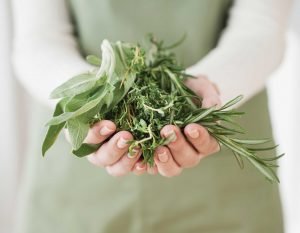
Great Burdock The root is used to treat ‘toxic overload’ that result in throat infections and skin ..