
-

1. Apples Are Nutritious A medium apple is equal to 1.5 cups of fruit. Two cups of fruit daily are recommended ..
-
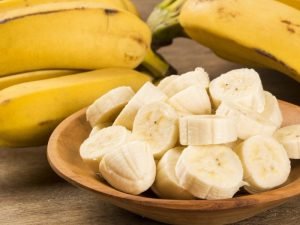
1.Bananas help overcome depression due to high levels of tryptophan, which is converted into serotonin ..
-
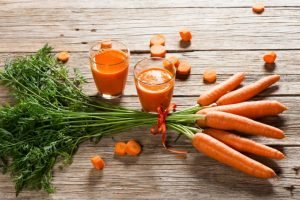
1. Beta carotene: Carrots are a rich source of this powerful antioxidant, which, among other vital uses, ..
-

Tinnitus in the ear can occur due to ear infections, various infections, perforation of the eardrum, ..
-
Comments Off on Pregnancy Calendar – Week 5 of Your Pregnancy

5-week pregnancy “Pregnancy calendar” at week 5: Your baby’s brain is developing. You may feel ..
-
Comments Off on Pregnancy Calendar – Week 4 of Your Pregnancy

4 weeks pregnancy “Pregnancy calendar” at 4th week: A miracle begins! Your baby, now consisting ..
-

How to Lower Your Cholesterol Naturally Through Diet
Cholesterol is a waxy substance your body needs to make hormones, vitamin D, and cell membranes. Your liver produces most of it, while the rest comes from animal-based foods. Because cholesterol travels through the bloodstream inside lipoproteins, its health effects depend largely on the type and amount present.
Low-density lipoprotein, or LDL cholesterol, can collect inside artery walls and contribute to plaque formation. High-density lipoprotein, known as HDL cholesterol, helps transport some cholesterol back to the liver for removal. Triglycerides are another type of blood fat that may rise with excess sugar, alcohol, refined carbohydrates, and overall calorie intake.
A heart-supportive eating pattern can improve cholesterol levels over time. The most effective approach is to replace foods high in saturated fat with sources of soluble fiber, unsaturated fat, plant protein, and minimally processed carbohydrates. These changes work best when they become regular habits rather than a short-term diet.
Understand Which Cholesterol Changes Matter
When people discuss lowering cholesterol, they usually mean reducing LDL cholesterol. A lower LDL level is generally associated with a lower risk of heart attack and stroke, although the ideal target depends on age, health history, diabetes status, kidney function, and existing cardiovascular disease.
HDL cholesterol is often described as “good” cholesterol, but simply increasing HDL through supplements or certain foods has not consistently been shown to reduce cardiovascular risk. Instead of focusing on one number, consider the complete lipid panel, including LDL, HDL, triglycerides, and non-HDL cholesterol.
Dietary cholesterol from foods such as eggs and shellfish affects blood cholesterol less strongly for many people than saturated and trans fats do. Individual responses vary, especially among people with diabetes, familial hypercholesterolemia, or other metabolic conditions. A healthcare professional can interpret your results in context.
Replace Saturated Fat With Unsaturated Fat
Saturated fat can raise LDL cholesterol. It is common in fatty cuts of beef and pork, processed meats, butter, ghee, cream, full-fat cheese, coconut oil, palm oil, pastries, and many fried or packaged foods. You do not need to remove every source, but reducing frequent and large servings can make a meaningful difference.
Choose unsaturated fats more often. Extra-virgin olive oil, canola oil, avocado, almonds, walnuts, peanuts, pumpkin seeds, and sunflower seeds provide monounsaturated or polyunsaturated fats. Fatty fish such as salmon, sardines, trout, and mackerel contain omega-3 fats that support triglyceride management and heart health.
Simple substitutions are often easier than following rigid rules. Cook vegetables with olive oil instead of butter, use avocado on whole-grain toast, replace processed meat with beans or fish, and choose a small handful of nuts instead of crisps. These swaps preserve flavor and satisfaction while improving the overall fat profile of a meal.
Trans fats deserve special attention because they can raise LDL and lower HDL. In some regions, industrial trans fats have been greatly reduced, but they may still appear in certain packaged baked goods and fried foods. Check ingredient lists for “partially hydrogenated oil,” and limit products containing it.
Add More Soluble Fiber Every Day
Soluble fiber forms a gel-like substance in the digestive tract. This can reduce cholesterol absorption and encourage the body to use circulating cholesterol to make bile acids. Regularly eating soluble fiber may help lower LDL cholesterol as part of a balanced diet.
Good sources include oats, barley, beans, lentils, chickpeas, apples, pears, citrus fruits, berries, okra, and eggplant. Psyllium husk is another concentrated source, but it should be introduced gradually with plenty of water and separated from some medications when advised by a pharmacist or doctor.
Aim to increase fiber slowly if your current intake is low. A breakfast of oatmeal with berries, a lentil soup at lunch, and beans or barley with dinner can provide several different sources across the day. Drink enough fluid as fiber intake rises, since a sudden increase may cause bloating or constipation.
Whole foods are preferable to relying on fiber-fortified snack bars or processed cereals. These products may contain added sugar, refined starch, or excess calories. Read nutrition labels and choose foods that provide fiber alongside vitamins, minerals, and plant-based nutrients.
Build Meals Around Plants
A predominantly plant-forward diet can support healthier cholesterol levels because it naturally provides fiber, antioxidants, minerals, and unsaturated fats. You do not have to become vegetarian to benefit. Start by making vegetables, legumes, fruits, and whole grains the foundation of most meals.
Beans, lentils, peas, tofu, tempeh, and unsalted nuts can replace some servings of red or processed meat. If you eat meat, select lean cuts and keep portions moderate. Skinless poultry, fish, and low-fat dairy products can provide protein with less saturated fat than fatty meats and full-fat dairy.
Plant sterols and stanols, found naturally in small amounts in vegetable oils, nuts, seeds, legumes, and whole grains, can reduce the absorption of dietary cholesterol. Some fortified spreads, yogurts, and drinks contain higher amounts. These products may help some adults, but they should complement a healthy eating pattern rather than substitute for it.
The Mediterranean and DASH eating patterns offer practical frameworks. Both emphasize vegetables, fruit, whole grains, legumes, nuts, fish, and unsaturated oils while limiting processed foods, excess sodium, sugary drinks, and large amounts of saturated fat.
Food or habit Helpful replacement Potential cholesterol benefit Butter or ghee Olive or canola oil Reduces saturated fat intake Sausage, bacon, or deli meat Beans, lentils, fish, or skinless poultry Lowers saturated fat and processed meat intake White bread or refined cereal Oats, barley, or whole-grain bread Adds soluble and total dietary fiber Pastries and fried snacks Fruit, nuts, or plain yogurt Reduces trans fats, saturated fat, and excess calories Sugary drinks Water, sparkling water, or unsweetened tea Helps reduce triglyceride-raising added sugar Full-fat dairy in large portions Low-fat yogurt or smaller servings of cheese Decreases saturated fat while retaining nutrients Limit Sugar, Refined Carbohydrates, And Alcohol
High triglycerides often respond to changes in sugar and refined carbohydrate intake. Sweetened beverages, candy, desserts, white bread, and oversized portions of pasta or rice can raise blood glucose and triglycerides, particularly when eaten frequently.
Choose whole fruit instead of fruit juice, and pair carbohydrates with protein, vegetables, or healthy fats to improve fullness. Brown rice, quinoa, bulgur, oats, and whole-wheat pasta generally contain more fiber than refined alternatives. Portion size still matters, since even nutritious carbohydrates contribute calories when eaten in excess.
Alcohol can raise triglycerides and add substantial calories. Some people also find that drinking makes it harder to control food choices or weight. If you drink, follow local low-risk guidelines, and avoid alcohol entirely if you are pregnant, have certain liver conditions, take interacting medicines, or have difficulty controlling intake.
Added sugar is different from the naturally occurring sugar in whole fruit or plain milk. Check labels on cereals, flavored yogurts, sauces, and condiments, where sugar can be easy to overlook. Reducing these hidden sources often improves the quality of the diet without requiring severe restriction.
Support Diet Changes With Healthy Habits
Diet is central, but cholesterol management also responds to regular movement, healthy body weight, sleep, and tobacco avoidance. Physical activity can help lower triglycerides, support HDL function, and improve blood pressure and insulin sensitivity. Brisk walking, cycling, swimming, dancing, and resistance exercises can all contribute.
If weight loss is appropriate, even a modest reduction may improve triglycerides and metabolic health. Avoid crash diets, which can be difficult to maintain and may lead to nutrient deficiencies. A consistent pattern of balanced meals, reasonable portions, and planned snacks is more sustainable.
Sleep deprivation and chronic stress may influence appetite, food choices, and metabolic health. Establishing a regular sleep schedule and using simple stress-management practices, such as breathing exercises or time outdoors, can reinforce dietary goals.
Natural approaches should not be used as a reason to stop prescribed cholesterol medicine. People with very high LDL cholesterol, a history of heart disease or stroke, diabetes, or inherited cholesterol disorders may need medication alongside lifestyle changes. Some supplements, including red yeast rice, can cause side effects and interact with medicines, so discuss them with a qualified healthcare professional first.
Create A Practical Cholesterol-Friendly Routine
A successful plan should fit your budget, culture, schedule, and cooking habits. Rather than changing every meal at once, choose two or three repeatable actions. For example, eat oats several mornings each week, add beans to two meals, and replace butter with olive oil for cooking.
Plan meals around a simple formula: half the plate non-starchy vegetables, one quarter a high-fiber carbohydrate, and one quarter lean protein or plant protein. Add a small amount of unsaturated fat, such as nuts, seeds, avocado, or olive oil. This structure helps balance nutrition without requiring constant calorie counting.
Shopping with a list can reduce reliance on highly processed convenience foods. Keep frozen vegetables, canned beans with no added salt, oats, tinned fish, fruit, and unsalted nuts available for quick meals. Rinse canned beans to remove some sodium, and compare labels for saturated fat, added sugar, and fiber.
Track progress through follow-up blood tests rather than symptoms alone. High cholesterol often produces no noticeable symptoms, and dietary changes may take several weeks or longer to show their full effect. Your clinician can advise when to repeat testing and whether your treatment plan needs adjustment.
Actions That Make A Difference
- Replace butter, shortening, and fatty sauces with olive or canola oil in everyday cooking.
- Eat oats, barley, beans, lentils, fruit, or psyllium regularly to increase soluble fiber.
- Include vegetables at lunch and dinner, and choose whole fruit instead of juice.
- Serve fish, tofu, beans, or skinless poultry more often than processed or fatty meat.
- Review packaged-food labels for saturated fat, trans fat, added sugar, and fiber.
Start with one change this week and repeat it until it feels routine. Then add another improvement, such as a fiber-rich breakfast or a meat-free meal. Arrange a cholesterol check with your healthcare professional when appropriate, especially if you have other cardiovascular risk factors, and use the results to guide a personalized long-term plan.
-
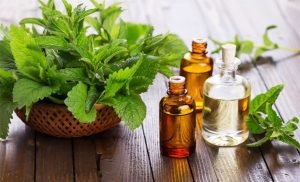
Tea Tree Essential Oil Tea tree oil is often referred to as “medicine cabinet in a bottle,” as it’s ..
-

13 surprising home remedies for acid reflux Before you reach for the heavy-duty, prescription-strength ..
-

Great Burdock The root is used to treat ‘toxic overload’ that result in throat infections and skin ..