
-

1. Apples Are Nutritious A medium apple is equal to 1.5 cups of fruit. Two cups of fruit daily are recommended ..
-

1.Bananas help overcome depression due to high levels of tryptophan, which is converted into serotonin ..
-
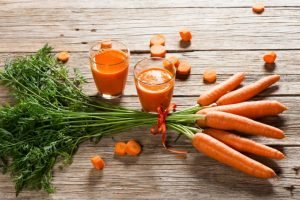
1. Beta carotene: Carrots are a rich source of this powerful antioxidant, which, among other vital uses, ..
-

Tinnitus in the ear can occur due to ear infections, various infections, perforation of the eardrum, ..
-
Comments Off on Pregnancy Calendar – Week 5 of Your Pregnancy

5-week pregnancy “Pregnancy calendar” at week 5: Your baby’s brain is developing. You may feel ..
-
Comments Off on Pregnancy Calendar – Week 4 of Your Pregnancy

4 weeks pregnancy “Pregnancy calendar” at 4th week: A miracle begins! Your baby, now consisting ..
-
A Gentle Herbal Tea Ritual for Evening Relaxation
A warm cup of herbal tea can become a simple signal that the active part of the day is ending. The ritual of choosing herbs, heating water, and drinking slowly may help create a calmer atmosphere before bedtime. While tea cannot replace medical care or treat an underlying sleep disorder, a thoughtfully prepared blend can support an enjoyable evening routine.
The best calming herbal tea blend usually combines gentle flavor with herbs traditionally used for relaxation. Chamomile, lemon balm, and lavender are popular choices because they offer soft floral, citrus, and lightly sweet notes. Other herbs, such as peppermint or ginger, can add freshness and warmth without making the drink overly strong.
A homemade blend also gives you control over ingredients, flavor, and strength. Start with a small recipe, notice how your body responds, and keep the ritual consistent. The goal is a comforting caffeine-free beverage that fits naturally into your evening rather than another complicated task.
What Makes An Evening Tea Blend Calming
A relaxing tea blend works partly through aroma, warmth, and routine. Holding a warm mug and sipping without rushing can encourage you to slow down after work, meals, or screen time. The sensory experience may be just as important as the herbs themselves, especially when the drink becomes associated with quiet activities such as reading, stretching, or listening to soft music.
Choose naturally caffeine-free ingredients for an evening infusion. Caffeine can remain in the body for several hours and may interfere with sleep in sensitive people. Black tea, green tea, matcha, yerba mate, and many energy blends are better suited to earlier in the day.
Flavor balance matters too. A tea that tastes pleasant is easier to enjoy regularly. Floral herbs can become intense when overused, while mint and ginger may dominate a delicate blend. Combining a mild base with one or two accent herbs creates a smoother drink and helps prevent the mixture from tasting medicinal.
Gentle Herbs For A Relaxing Herbal Infusion
Chamomile is one of the most familiar bedtime herbs. Its mild apple-like flavor pairs well with lemon balm, lavender, and a small amount of cinnamon. Lemon balm has a fresh, lemony taste and is often included in evening wellness blends. Both herbs are commonly prepared as a simple hot infusion using dried leaves or flowers.
Lavender provides a fragrant floral note, but a little goes a long way. Too much can make tea taste soapy or bitter. Peppermint offers a cooling flavor that may feel refreshing after dinner, although it may aggravate heartburn or reflux in some people. Rooibos is another caffeine-free option with a naturally sweet, earthy flavor and a reddish color.
Valerian is sometimes used in sleep-oriented herbal products, but it has a stronger aroma and deserves extra caution. It may cause drowsiness and can interact with medicines or other sedating substances. For a general evening tea, mild herbs such as chamomile and lemon balm are usually a more approachable starting point.
Herb Flavor profile Common role in an evening blend Important consideration Chamomile Soft, floral, apple-like Gentle base herb Avoid if allergic to ragweed-family plants Lemon balm Fresh, lemony, lightly sweet Brightens and softens the blend Ask a clinician about regular use with thyroid medicine Lavender Floral and aromatic Adds fragrance and a peaceful character Use sparingly; strong flavor Rooibos Nutty, sweet, earthy Caffeine-free base Generally mild, but individual sensitivities are possible Peppermint Cool and refreshing Adds clean flavor after meals May worsen reflux or heartburn Valerian Earthy and distinctive Used in stronger sleep-focused formulas May cause drowsiness and medication interactions A Simple Blend To Prepare At Home
For a balanced homemade tea, combine two teaspoons of dried chamomile, one teaspoon of dried lemon balm, and one-quarter teaspoon of culinary lavender. This makes approximately two servings. If you prefer a sweeter, less floral taste, replace some of the lavender with rooibos. If you enjoy a fresh finish, add a small amount of dried peppermint instead.
Place the dried herbs in a tea infuser, reusable filter, or teapot. Pour over two cups of freshly boiled water, cover the vessel, and steep for five to eight minutes. Covering the tea helps retain aromatic oils that can escape with steam. Strain the herbs before drinking and adjust the strength next time rather than adding a large amount immediately.
Honey can add sweetness and complement chamomile, but allow the tea to cool slightly before stirring it in. A thin slice of lemon can brighten the flavor, although acidic ingredients may be less comfortable for people with reflux. Cinnamon, orange peel, or a few slices of fresh ginger can also create a warming caffeine-free tea, particularly in colder weather.
Brewing The Tea As A Relaxing Ritual
Water temperature and steeping time influence both flavor and aroma. Herbal teas generally tolerate freshly boiled water, but delicate floral herbs may taste smoother when steeped for closer to five minutes. Stronger infusions can be made by extending the steeping time gradually. If the drink becomes bitter, reduce the quantity or steep it for less time.
Prepare the tea about thirty to sixty minutes before your intended bedtime, especially when you want the routine to support winding down. Drink it slowly rather than consuming it quickly while completing chores. A smaller serving may be preferable if nighttime bathroom trips interrupt your sleep.
Create a consistent setting around the beverage. Dim the lights, put away stimulating notifications, and choose a quiet activity. Gentle breathing, light stretching, journaling, or reading a few pages can reinforce the transition from daytime responsibilities to rest. The tea itself is one part of a broader sleep-friendly routine.
Safety Before Using Calming Herbs
Natural ingredients can affect the body and may interact with medicines. People who take sedatives, sleep aids, antidepressants, blood thinners, diabetes medicines, or medicines for thyroid conditions should consult a qualified healthcare professional before using herbal blends regularly. Valerian and other strongly sedating herbs deserve particular caution when combined with alcohol or medication.
Pregnant or breastfeeding people should seek individualized medical advice before drinking medicinal herbal preparations. Culinary amounts of some herbs may be acceptable, but concentrated blends, frequent use, and unfamiliar ingredients require professional guidance. Children should not be given adult-strength herbal sleep mixtures unless a pediatric healthcare professional recommends them.
Avoid any ingredient that has caused an allergy in the past. Chamomile may be unsuitable for people with sensitivities to plants in the daisy or ragweed family, including some individuals who react to echinacea or chrysanthemums. Stop using the blend if you develop a rash, swelling, breathing difficulty, severe stomach upset, or another concerning symptom, and seek prompt medical help for serious reactions.
Practical Ways To Improve Your Evening Blend
Store dried herbs in sealed containers away from sunlight, heat, and moisture. Label each jar with the herb name and purchase date, and discard ingredients that smell stale, appear damp, or show signs of mold. Buying small quantities helps preserve flavor and prevents old herbs from accumulating in the cupboard.
Use food-grade herbs from a reputable source rather than garden plants that may have been sprayed with chemicals or misidentified. Measure ingredients with clean, dry spoons. Keeping a brief note about the recipe, steeping time, and flavor can help you refine the blend without making it overly complicated.
- Begin with chamomile and lemon balm before adding stronger herbs.
- Keep lavender to a small amount so its aroma supports rather than overwhelms the tea.
- Choose a caffeine-free blend and avoid drinking a large serving immediately before bed.
- Test one new ingredient at a time, especially if you have allergies or a sensitive stomach.
- Treat herbal tea as a relaxation ritual, not as a substitute for care for persistent insomnia or anxiety.
When An Evening Drink Needs More Support
A soothing cup may be useful when occasional stress makes it difficult to settle, but ongoing sleep problems deserve attention. Speak with a healthcare professional if poor sleep lasts for weeks, affects daytime concentration, or occurs with loud snoring, gasping, persistent pain, depressed mood, or intense anxiety. These symptoms can point to conditions that tea cannot address.
Likewise, seek medical guidance if you experience frequent heartburn, unusual reactions to herbs, or excessive daytime drowsiness after trying a blend. A professional can review your medicines, health history, and symptoms and help determine whether a particular ingredient is appropriate.
Make this calming herbal tea blend part of a gentle, repeatable evening routine: measure the herbs, steep them under a covered lid, and enjoy the warm infusion without rushing. With safe ingredients and realistic expectations, this small daily practice can bring comfort and a peaceful pause to the end of your day.
-
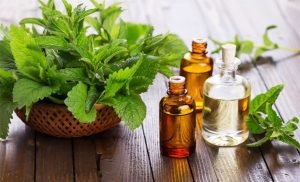
Tea Tree Essential Oil Tea tree oil is often referred to as “medicine cabinet in a bottle,” as it’s ..
-

13 surprising home remedies for acid reflux Before you reach for the heavy-duty, prescription-strength ..
-
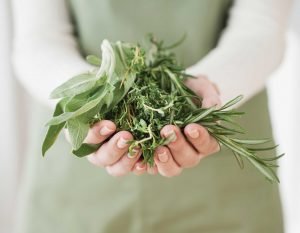
Great Burdock The root is used to treat ‘toxic overload’ that result in throat infections and skin ..