
-

1. Apples Are Nutritious A medium apple is equal to 1.5 cups of fruit. Two cups of fruit daily are recommended ..
-
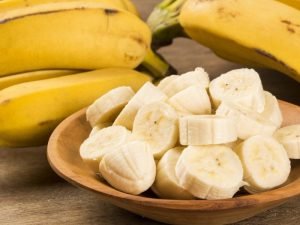
1.Bananas help overcome depression due to high levels of tryptophan, which is converted into serotonin ..
-
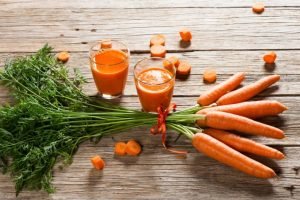
1. Beta carotene: Carrots are a rich source of this powerful antioxidant, which, among other vital uses, ..
-

Tinnitus in the ear can occur due to ear infections, various infections, perforation of the eardrum, ..
-
Comments Off on Pregnancy Calendar – Week 5 of Your Pregnancy

5-week pregnancy “Pregnancy calendar” at week 5: Your baby’s brain is developing. You may feel ..
-
Comments Off on Pregnancy Calendar – Week 4 of Your Pregnancy

4 weeks pregnancy “Pregnancy calendar” at 4th week: A miracle begins! Your baby, now consisting ..
-
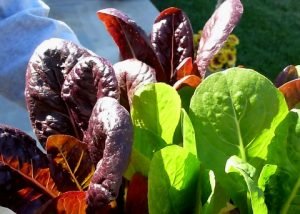
How to Make a Calming Herbal Tea Blend for Stress
A warm herbal drink can become a simple pause in a busy day. The ritual of boiling the kettle, choosing fragrant leaves and sipping slowly may help signal that it is time to ease out of work mode, settle the body and prepare for sleep. A tea blend cannot remove the source of stress, but it can support a calming routine alongside rest, movement and practical care.
Common soothing herbs include chamomile, lemon balm, lavender, peppermint and passionflower. Each has a different flavour and safety profile, so a good blend should be gentle, pleasant and suited to the person drinking it. Fresh or dried herbs can work well, although dried leaves are usually easier to measure and store.
For people in Australia, making a relaxing cuppa at home is also a convenient, low-cost option. Ingredients are available from supermarkets, health-food shops, growers’ markets and many chemists. The most useful blend is usually the one that tastes good enough to use consistently without becoming another complicated task.
Choose Herbs For A Balanced Blend
Chamomile is a popular base because it has a soft, apple-like flavour and is traditionally used before bedtime. Lemon balm brings a light citrus note and is often chosen for nervous tension or an unsettled mood. These two herbs combine well in a daily evening infusion and are mild enough for many adults when used in ordinary tea quantities.
Lavender can add a floral aroma, but a little goes a long way. Too much may make the tea taste soapy or bitter, so use it as a supporting ingredient rather than the main herb. Peppermint gives a fresh finish and may feel pleasant after a meal, although it can aggravate reflux in some people.
Passionflower is sometimes included in herbal products marketed for relaxation and sleep. It is more potent in purpose than a simple flavouring herb and may interact with medicines that cause drowsiness. Valerian has a strong earthy taste and is also more likely to cause unwanted effects, so it is best treated cautiously rather than added casually to a homemade mix.
Avoid assuming that every fragrant plant is suitable for drinking. Australian native plants such as lemon myrtle can be used in culinary products, but concentrated oils are not the same as dried culinary leaves. Tea tree oil, eucalyptus oil and other essential oils should not be swallowed unless a qualified professional has specifically directed their use.
A Simple Recipe For A Relaxing Cuppa
For a gentle blend, combine two teaspoons of dried chamomile, one teaspoon of dried lemon balm, half a teaspoon of dried peppermint and a small pinch of culinary lavender. Place one rounded teaspoon of the mixture into a tea infuser or reusable filter for each cup. Store the remaining blend in a labelled, airtight jar away from sunlight, steam and heat.
Pour freshly boiled water over the herbs and cover the cup with a saucer. Steep for five to eight minutes, then strain. Covering the cup helps retain the aromatic compounds that would otherwise escape with the steam. Taste the tea before adding anything; a little honey can soften bitterness, while a slice of lemon may brighten the flavour.
Begin with one cup in the late afternoon or evening rather than drinking several strong servings at once. If the tea makes you feel unusually sleepy, dizzy, nauseated or restless, stop using it. A calming drink should feel comfortable, not forceful.
The recipe can be adjusted to suit personal taste. Increase lemon balm for a softer citrus character, reduce peppermint if reflux is a concern, or leave out lavender if floral flavours are unpleasant. Keeping the blend simple makes it easier to identify which herb agrees with you.
Brewing And Storing Herbs Safely
Use herbs purchased for food or tea-making from a reputable source. Packaging should list the plant name, recommended preparation and use-by date. Loose herbs from a bulk bin can be useful, but check that the containers are clean and the stock is protected from moisture. At an Australian supermarket or local weekend market, avoid buying unidentified leaves simply because they look similar to a familiar herb.
Dried herbs should remain crisp and aromatic. If they smell musty, show signs of mould or have become damp, discard them. A glass jar with a tight lid is suitable, provided it is stored in a cool cupboard rather than beside the kettle or on a sunny windowsill. Write the ingredients and date on the label so the mixture does not become a mystery jar several months later.
Herbal tea is best prepared fresh, but a batch can be made for the same day and kept covered in the refrigerator. Warm it gently if desired, or drink it chilled during a hot Queensland or Western Australian evening. Do not leave a sweetened infusion at room temperature for long periods, particularly in warm weather.
A tea strainer, teapot or French press can all work. Rinse equipment promptly, especially when honey, milk or plant material is involved. Clean preparation matters because natural ingredients are not automatically free from bacteria or contamination.
Check Medicines, Pregnancy And Personal Risks
“Natural” does not mean risk-free. Chamomile may be unsuitable for people with an allergy to plants in the daisy family, including ragweed, chrysanthemums or marigolds. Peppermint may worsen heartburn, and some people find that even gentle herbs cause headaches or stomach discomfort. Pay attention to the body’s response rather than assuming a popular remedy will suit everyone.
People who take regular medicines should ask a pharmacist or doctor before using concentrated herbal products or blends containing passionflower, valerian or other sedating herbs. Extra care is sensible with sleeping tablets, anxiety medicines, opioid pain medicines, antihistamines and alcohol because combined sedative effects can impair alertness. Do not drive, cycle in traffic or operate machinery if a tea makes you drowsy.
Pregnancy and breastfeeding require individual advice. Food amounts of familiar culinary herbs may be acceptable for some people, but medicinal-strength infusions have different considerations. The same applies to children, older adults and anyone with liver, kidney or bleeding conditions. An Australian pharmacist, GP or registered health professional can help assess the specific product and the person’s medical history.
Use an ordinary tea blend as a comfort measure, not as a substitute for assessment when stress is persistent or severe. If anxiety is affecting sleep, work, relationships or daily functioning, professional support may be appropriate. Anyone experiencing thoughts of self-harm should seek urgent help through local emergency services or a crisis service rather than relying on herbal tea.
Make The Ritual Work In Everyday Life
The benefit may come partly from the routine surrounding the drink. Turn off work notifications, dim bright lights and take ten slow breaths while the tea steeps. Sitting outside for a few quiet minutes, perhaps after an afternoon walk, can make the pause feel more distinct from the rest of the day. In Australia, a simple arvo cuppa can be an accessible way to create that transition without buying expensive wellness products.
Try linking the tea with one dependable habit, such as writing down tomorrow’s tasks, stretching gently or reading a few pages of a book. Avoid treating the cup as a test of whether you will fall asleep. The aim is to provide a predictable wind-down cue, since pressure to relax can become another source of tension.
Stress often has a social dimension. A short chat with a trusted friend, a shared drink after dinner or a boundary around work messages may help more than changing the recipe. Planning a major event, moving house or managing relationship concerns can make evenings especially busy; even practical resources related to wedding planning can sit alongside a broader effort to divide tasks and protect rest.
Keep notes for a week about the blend, timing, flavour and any effects. This can reveal whether peppermint causes reflux, whether lavender is too strong or whether a caffeine-free evening drink helps establish a steadier bedtime. If you need to contact the publisher about an ingredient or health article, use the protected contact page rather than sharing personal medical details publicly.
Practical Ways To Keep The Habit Safe
- Start with one mild cup and avoid combining several strongly sedating herbs.
- Buy clearly labelled, food-grade herbs from a reputable Australian retailer.
- Keep essential oils, unidentified plants and medicinal-strength extracts out of homemade tea.
- Check with a pharmacist before use during pregnancy, breastfeeding or regular medicine use.
- Stop the blend if it causes allergy symptoms, stomach upset, dizziness or excessive sleepiness.
- Pair the drink with a realistic calming habit, such as slow breathing or a screen-free pause.
- Seek professional support when stress is ongoing, overwhelming or affecting everyday life.
-
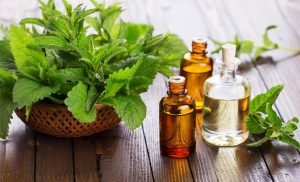
Tea Tree Essential Oil Tea tree oil is often referred to as “medicine cabinet in a bottle,” as it’s ..
-

13 surprising home remedies for acid reflux Before you reach for the heavy-duty, prescription-strength ..
-
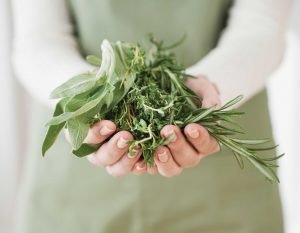
Great Burdock The root is used to treat ‘toxic overload’ that result in throat infections and skin ..