
-

1. Apples Are Nutritious A medium apple is equal to 1.5 cups of fruit. Two cups of fruit daily are recommended ..
-

1.Bananas help overcome depression due to high levels of tryptophan, which is converted into serotonin ..
-

1. Beta carotene: Carrots are a rich source of this powerful antioxidant, which, among other vital uses, ..
-

Tinnitus in the ear can occur due to ear infections, various infections, perforation of the eardrum, ..
-
Comments Off on Pregnancy Calendar – Week 5 of Your Pregnancy

5-week pregnancy “Pregnancy calendar” at week 5: Your baby’s brain is developing. You may feel ..
-
Comments Off on Pregnancy Calendar – Week 4 of Your Pregnancy

4 weeks pregnancy “Pregnancy calendar” at 4th week: A miracle begins! Your baby, now consisting ..
-

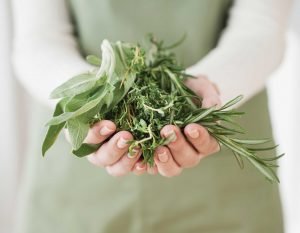
Healing broth from vegetable scraps and herbs
A warm, savoury broth made from vegetable offcuts is a practical way to use more of the food already in your kitchen. Onion skins, carrot ends, celery leaves, mushroom stems and herb stalks can contribute colour and flavour when simmered gently in water. The result is a flexible stock for soups, grains, sauces and simple meals.
This homemade vegetable scrap broth is not a cure for illness, and its nutritional value depends on the ingredients used. It can, however, add fluid, warmth and flavour without relying heavily on packaged seasoning. In Australia, where household food costs and food-waste concerns are important topics, making stock from clean kitchen trimmings can be a useful cooking habit.
Why vegetable scrap broth is worth making
Broth gives overlooked vegetable parts a second use before they reach the compost bin. Stalks, peels and outer leaves often contain aromatic compounds that make a stock taste fuller. Carrot tops can bring a green, earthy note, while celery leaves and leek greens provide the savoury character commonly associated with traditional vegetable stock.
The finished liquid is usually light in calories, although sodium can rise quickly if you add salt, stock powder or salty sauces. It also supplies water and small amounts of nutrients extracted from the vegetables. The precise amount varies with cooking time, the produce used and whether the broth is strained, so it should complement a balanced diet rather than replace vegetables on the plate.
A homemade broth can be especially useful when someone has a reduced appetite and wants a mild, warm food. It may feel soothing during cold weather in Melbourne or Canberra, or after a long day when a full meal seems unappealing. Anyone with a medical condition requiring controlled fluid, potassium or sodium intake should check with a qualified health professional before making broth a regular part of their diet.
Choosing safe and flavourful scraps
Good ingredients include washed carrot peels and ends, celery leaves, celery bases, leek greens, spring onion tops, parsley stems, coriander stalks, mushroom stems, tomato cores, corn cobs and the outer leaves of cabbage. Pumpkin skin can be used when it is thoroughly scrubbed and cut into manageable pieces, though it may create a stronger flavour. A few clean potato peels can add body, but too many may make the liquid cloudy.
Avoid scraps that are mouldy, slimy, strongly bitter or beginning to rot. Do not use vegetables contaminated with cleaning chemicals, soil that has not been removed, or pieces from produce that smells fermented. Brassica vegetables such as broccoli, cauliflower and cabbage are safe in modest amounts, but a large quantity can dominate the flavour and produce a sulphurous smell.
Some foods are better left out altogether. Beetroot can turn the broth dark red, while artichoke leaves may make it unpleasantly bitter. Avocado skins and pits are unsuitable, and scraps seasoned with oil, chilli or strong marinades can overwhelm the stock. If a vegetable would taste unpleasant raw or cooked, simmering it will not reliably improve it.
Storing scraps before cooking
Collect scraps as you prepare meals, but keep them cold. A lidded container or reusable freezer bag in the refrigerator works for a day or two. For longer storage, freeze the pieces in a bag or container and add to it gradually. Freezing also helps break down some plant tissues, allowing flavour to release more easily during cooking.
Wash produce before peeling or cutting it, particularly when using the skin or outer layers. A soft vegetable brush can remove soil from carrots, pumpkin and potatoes. It is sensible to keep scraps from different meals separate from raw meat packaging and other foods that could introduce bacteria.
There is no need to wait until the bag is completely full. About four to six cups of mixed scraps can make a useful batch in a medium saucepan. In warm Australian kitchens, refrigeration is important because food can spoil quickly during a Brisbane or Perth summer. A frozen collection is safer and more convenient than leaving scraps on the bench.
A simple method for making the broth
Place the scraps in a large pot and cover them with cold water. The water should sit roughly two to three centimetres above the vegetables, although exact quantities are flexible. Add a bay leaf, a few parsley stems, black peppercorns or a small piece of ginger if desired. Hold back the salt until the broth has been strained and tasted.
Bring the pot slowly to a gentle simmer, then reduce the heat. A vigorous boil can make the liquid cloudy and cause delicate herbs to lose their fresh character. Simmer for about 45 to 60 minutes, checking occasionally that the vegetables remain covered. Very long cooking is not always better; it can draw out bitter flavours, especially from leafy scraps.
Strain the liquid through a fine sieve into a clean heatproof bowl or another saucepan. Pressing the vegetables lightly can extract more broth, but avoid crushing them aggressively if you want a clearer result. Discard the cooked scraps in the compost if appropriate, or remove any remaining usable pieces and add them to a soup.
For a deeper flavour, roast firm scraps such as carrot, onion and mushroom stems first. Spread them on a tray, toss with a small amount of oil if wanted, and roast until lightly browned. This step creates a richer, darker stock, although it uses more time and energy than the direct simmering method.
Herbs that build a balanced flavour
Fresh herb stems are particularly useful in homemade stock because they contain much of the same aroma as the leaves. Parsley, coriander, dill, thyme and rosemary can all be added in small quantities. Parsley and thyme create a gentle savoury base, while rosemary is powerful and should be used sparingly. Coriander stems suit broths intended for rice noodles, vegetables or legumes.
Dried herbs are more concentrated, so begin with a small pinch. Bay leaf, black pepper, garlic, ginger and a strip of lemon zest can add complexity without making the broth salty. Remove lemon zest after simmering if the flavour becomes too sharp. A little turmeric can give the liquid a golden colour, but it may also stain equipment and should not be treated as a substitute for medical care.
Australian cooks may be tempted to experiment with native ingredients such as lemon myrtle. Use only products sold for culinary use and follow the package directions, because concentrated essential oils and unidentified bush plants are not appropriate for casual dosing. Local farmers’ markets in Sydney, Adelaide and Hobart can be good places to find fresh herbs, but market produce still needs careful washing and storage.
Add tender herbs near the end of cooking if you want a fresher taste. Hardy stalks and dried spices can go in at the beginning. This layered approach allows the broth to taste rounded rather than dominated by one herb.
Food safety, cooling and storage
Once strained, cool the broth promptly. Divide a large batch into shallow containers so heat escapes more quickly, then refrigerate it as soon as it is no longer steaming heavily. Do not leave a large pot of warm broth at room temperature for hours, because bacteria can multiply as it cools slowly.
Use refrigerated broth within three to four days and freeze any extra in labelled containers, ice-cube trays or small silicone moulds. Leave space at the top of a container because liquid expands when frozen. Frozen portions are convenient for adding flavour to a pan of grains or a quick weeknight soup.
Reheat only the amount needed and bring it to a thorough simmer before serving. If the broth develops a sour smell, unusual cloudiness, bubbles, mould or a slimy texture, discard it. Tasting food to decide whether it is safe is not reliable. Clean utensils, containers and sieves with hot soapy water after use.
A pressure cooker can shorten the cooking time, but follow the appliance instructions and avoid filling it beyond the recommended level. A slow cooker may work well for a larger batch, provided it maintains a safe cooking temperature and the broth is cooled correctly afterward.
Ways to use the finished liquid
Use vegetable broth as the cooking liquid for rice, pearl barley, quinoa or couscous. It can form the base of lentil soup, minestrone, pumpkin soup or a simple noodle bowl. A small amount can loosen a pan sauce, moisten stuffing or replace some of the water in a savoury porridge.
For a quick meal, warm a cup of broth with shredded vegetables, cooked beans and a handful of greens. Add noodles or leftover roast chicken if suitable for your diet. A squeeze of lemon, chopped parsley or a little chilli can brighten the bowl after cooking. This makes the broth more substantial while keeping the flavour adaptable.
The stock can also be reduced to concentrate its taste, but remember that evaporation increases the relative concentration of naturally occurring minerals and any salt added during preparation. If you use packaged sauces, miso or stock powder later, taste first to prevent an overly salty meal.
Treat the broth as a supporting ingredient rather than a medicinal drink. It can help make nutritious foods more appealing, especially when vegetables, legumes and whole grains are added. Claims that a particular broth detoxifies the body, cures infections or provides all needed nutrients are not supported by the basic cooking method.
Habits for a better homemade stock
Small changes make the process more consistent and reduce waste without making it complicated.
- Keep a labelled freezer bag for clean vegetable trimmings and empty it into the pot when you have enough for a batch.
- Include a mixture of sweet, savoury and aromatic scraps rather than filling the pot with one strong vegetable.
- Use little or no salt while simmering, then season the strained broth according to the final recipe.
- Record ingredients and dates on frozen containers so older batches are used first.
- Add fresh herbs, lemon juice or toasted spices after reheating when the broth needs more character.
- Compost the strained scraps if they are unsuitable for another meal and your local council accepts them.
At farmers’ markets and supermarkets such as Coles and Woolworths, choosing whole bunches of celery, parsley or spring onions can provide useful stems and leaves as well as the main ingredient. Planning a soup, risotto or grain dish around the finished stock helps ensure it is used promptly. With clean scraps, careful storage and moderate seasoning, a simple pot of vegetable broth can become a practical part of everyday cooking.
-

Tea Tree Essential Oil Tea tree oil is often referred to as “medicine cabinet in a bottle,” as it’s ..
-

13 surprising home remedies for acid reflux Before you reach for the heavy-duty, prescription-strength ..
-
Great Burdock The root is used to treat ‘toxic overload’ that result in throat infections and skin ..