
-

1. Apples Are Nutritious A medium apple is equal to 1.5 cups of fruit. Two cups of fruit daily are recommended ..
-
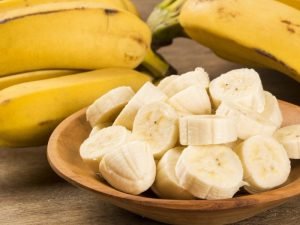
1.Bananas help overcome depression due to high levels of tryptophan, which is converted into serotonin ..
-
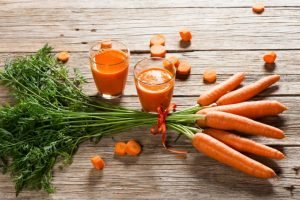
1. Beta carotene: Carrots are a rich source of this powerful antioxidant, which, among other vital uses, ..
-

Tinnitus in the ear can occur due to ear infections, various infections, perforation of the eardrum, ..
-
Comments Off on Pregnancy Calendar – Week 5 of Your Pregnancy

5-week pregnancy “Pregnancy calendar” at week 5: Your baby’s brain is developing. You may feel ..
-
Comments Off on Pregnancy Calendar – Week 4 of Your Pregnancy

4 weeks pregnancy “Pregnancy calendar” at 4th week: A miracle begins! Your baby, now consisting ..
-
Turmeric and Ginger Immunity Shot You Can Brew at Home
Morning wellness routines have shifted noticeably across Australian households over the past decade. What once meant a quick Vegemite toast or a cup of tea has gradually expanded to include cold-pressed juices, kombucha, and small concentrated drinks often called shots. The turmeric and ginger version has become a staple in many home kitchens, partly because both roots are now readily available at major supermarket chains and weekend growers' markets from Brisbane to Perth.
The appeal is straightforward. A small 60-millilitre serve packs an intense hit of colour, warmth, and plant compounds that many people associate with everyday immune support. Rather than spending five or six dollars on a single bottle at a juice bar in the CBD, anyone with a decent blender, a fine mesh strainer, and ten minutes on a Sunday can prepare a batch that lasts the working week.
Turmeric and ginger are not new arrivals to Australian pantries. They have featured in Chinese, Indian, and Southeast Asian cooking traditions for centuries, and migrant communities brought those culinary habits with them. What is newer is the framing of these familiar roots as functional ingredients for general wellbeing, a framing that lines up neatly with the colder months in southern states when coughs and sniffles tend to circle through offices and classrooms.
This walkthrough covers how to put together a balanced shot at home, where to find the freshest produce, and how to store it so the flavour stays bright from Monday's brekkie through to Friday's arvo pick-me-up. Nothing here is medical advice, and anyone with specific health conditions should run ingredient choices past a qualified practitioner.
The Case for Daily Shots in an Australian Context
Australia's geography plays a quiet role in how people think about immune support. In Melbourne, Hobart, and Adelaide, the winter months drag from June through August, bringing grey skies and a steady drumbeat of cold and flu notifications on the news. Many residents take leave from work, miss weekend cricket matches, or simply feel run down for weeks at a time. A small daily shot of turmeric and ginger fits neatly into that seasonal rhythm, even if the science on prevention remains modest.
There is also the question of cost. A single 50-millilitre bottled shot from a chain such as Boost Juice or a smaller bar in Surry Hills can cost between four and seven dollars. Brewing at home for a full week typically costs less than a single café-bought bottle, especially when the fresh roots are bought in season. Bundaberg in Queensland is one of the country's ginger-growing heartlands, so fresh Australian-grown rhizomes appear in greengrocers throughout late winter and early spring, often cheaper than imported stock.
Australians who already enjoy a flat white or a long black in the morning tend to slot the shot in before the coffee ritual. The strong, peppery warmth of ginger cuts through the morning fog, and the earthy turmeric adds a colour that looks striking in a small glass. For people who prefer a softer entry, the shot can be diluted into warm water with honey and lemon, which is closer to a homemade lemon-ginger tea than a straight concentrate.
Sourcing Fresh Turmeric and Ginger Locally
Quality matters more than quantity with this kind of drink, so sourcing deserves attention. Supermarkets such as Coles and Woolworths stock ginger year-round, and turmeric has become a permanent fixture in the produce aisle rather than a specialty item. The roots from the fresh produce section are usually Thai or Australian in origin, and they tend to be more pungent than the older, wrinkled rhizomes that have been sitting in a cool-room for weeks.
For the keenest cooks, farmers' markets offer an upgrade. The Queen Victoria Market in Melbourne, Paddy's Markets in Sydney's Haymarket precinct, and the Adelaide Showground Farmers' Market all feature stalls selling organic Australian turmeric and ginger from growers in Queensland and northern New South Wales. The roots tend to be smaller, more vivid in colour, and often still carry a faint earth smell that signals freshness. Buying in bulk at these venues typically brings the price down to around ten to fifteen dollars a kilogram.
Look for rhizomes that feel heavy for their size and have tight, unwrinkled skin. Avoid any with soft spots, mould, or a papery texture, as these have lost moisture and flavour. Fresh turmeric stains hands and surfaces a vivid yellow, so it is worth wearing kitchen gloves or scrubbing down boards with hot soapy water soon after prepping. A dedicated microplane or fine rasp grater makes quick work of both roots and avoids fibrous strands ending up in the final drink.
Step-by-Step Method for Brewing Your Shot
A basic batch uses roughly equal weights of fresh turmeric and fresh ginger, a liquid to carry the flavour, and a sweetener to soften the heat. A reliable ratio is 80 grams of each root, 250 millilitres of water or apple juice, the juice of one lemon, and one to two teaspoons of honey or maple syrup. This produces around five shots of 60 millilitres each.
Start by washing the roots thoroughly under cool running water and patting them dry. Peel them with the edge of a spoon rather than a knife, as the curved metal follows the contours and wastes less flesh. Roughly chop the peeled roots before blitzing them in a blender with the water or juice for around 60 seconds, until the mixture looks like a coarse slurry. Pour through a fine mesh strainer or a nut milk bag into a jug, pressing the pulp firmly with the back of a spoon to extract as much liquid as possible.
Stir in the lemon juice and sweetener, taste, and adjust. Beginners often find straight ginger and turmeric bracing, almost peppery, so adding more sweetener or diluting with extra juice is perfectly fine. Once the balance feels right, decant into small glass bottles or a lidded jar and refrigerate. The shot keeps well for five to seven days when cold, and the flavour actually mellows slightly after the first day as the ingredients settle.
Tweaks, Add-Ins, and Flavour Builders
Once the base recipe feels familiar, the drink can be customised in dozens of small ways. A small pinch of black pepper is often recommended alongside turmeric, as piperine in the pepper is thought to support the absorption of curcumin, the main active compound in turmeric. Cayenne, cinnamon, or cardamom can each shift the flavour profile in a different direction, with cinnamon leaning towards a warmer winter drink and cayenne pushing it into sharper territory.
Citrus is another reliable lever. Orange juice pairs well with turmeric and adds natural sweetness, while lime brings a sharper Australian-style edge that suits spicy food. A teaspoon of apple cider vinegar is a common addition among devotees, and a small amount of coconut water can replace plain water for a slightly sweeter, more tropical base. Manuka honey from New Zealand or Australian producers adds both flavour and a touch of texture, though any local honey will do the job.
For those following a low-fodmap or low-sugar eating plan, the sweetener can be reduced or replaced with a few drops of stevia. The drink can also be poured into ice cube trays and frozen, with a single cube dropped into sparkling water on a hot summer afternoon in Brisbane or Darwin. This turns a winter wellness habit into a refreshing year-round option without much extra effort.
Storing, Timing, and Common Slip-Ups
Fresh shots do not behave like commercial bottled versions. Without pasteurisation or preservatives, the flavour, colour, and potency shift over a week, and any batch left unrefrigerated for more than a couple of hours should be discarded. Small glass bottles with airtight lids work far better than plastic, which can absorb the turmeric stain and leave a permanent yellow tint. Labelling each bottle with the date it was made helps avoid guesswork midweek.
Timing the shot also matters more than people expect. Taken first thing in the morning on an empty stomach, the active compounds absorb quickly, though some people find this too intense and prefer splitting the dose, half in the morning and half in the afternoon. Drinking the shot with food reduces the bite but also reduces the effect for those chasing that strong morning lift.
The most common slip-up is overdoing the ginger, which can upset sensitive stomachs and leave a lingering burn in the throat. Starting with a smaller amount of ginger and scaling up over a couple of weeks gives the palate time to adjust. Another frequent mistake is using powdered turmeric in place of fresh, which produces a chalkier texture and a duller flavour, even though the colour may look stronger. Where possible, fresh roots are worth the small extra effort.
Practical Pointers for a Steady Routine
- Pick a fixed prep day, often Sunday afternoon, to wash, peel, and blend a full batch.
- Buy roots in season from growers' markets for the best price and the brightest flavour.
- Keep a pair of kitchen gloves and a dedicated grater to manage turmeric staining.
- Label each bottle with the date and store at the back of the fridge where the temperature is most stable.
- Start with a smaller dose of ginger if you are new to concentrated shots, and build up over two weeks.
- Keep a backup jar of frozen lemon juice or apple juice so the recipe works even when fresh produce runs low.
-
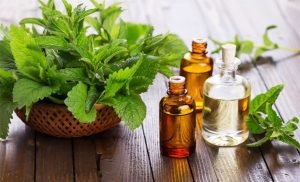
Tea Tree Essential Oil Tea tree oil is often referred to as “medicine cabinet in a bottle,” as it’s ..
-

13 surprising home remedies for acid reflux Before you reach for the heavy-duty, prescription-strength ..
-
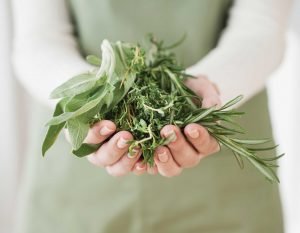
Great Burdock The root is used to treat ‘toxic overload’ that result in throat infections and skin ..