
-

1. Apples Are Nutritious A medium apple is equal to 1.5 cups of fruit. Two cups of fruit daily are recommended ..
-
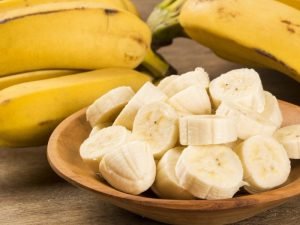
1.Bananas help overcome depression due to high levels of tryptophan, which is converted into serotonin ..
-

1. Beta carotene: Carrots are a rich source of this powerful antioxidant, which, among other vital uses, ..
-

Tinnitus in the ear can occur due to ear infections, various infections, perforation of the eardrum, ..
-
Comments Off on Pregnancy Calendar – Week 5 of Your Pregnancy

5-week pregnancy “Pregnancy calendar” at week 5: Your baby’s brain is developing. You may feel ..
-
Comments Off on Pregnancy Calendar – Week 4 of Your Pregnancy

4 weeks pregnancy “Pregnancy calendar” at 4th week: A miracle begins! Your baby, now consisting ..
-

How to make a homemade electrolyte drink for rehydration
Water is essential for replacing everyday fluid losses, but it may not be enough after heavy sweating, vomiting, diarrhea, or prolonged heat exposure. During these situations, the body also loses electrolytes—minerals such as sodium and potassium that help regulate fluid balance, nerve signals, and muscle function.
A homemade electrolyte drink can provide a temporary source of fluid, salt, and sugar using ingredients found in many kitchens. The measurements matter, however. Too much salt can be dangerous, while too little may not replace sodium effectively. A carefully prepared drink is useful for mild fluid loss, but it is not a substitute for medical treatment when dehydration is severe.
Rehydration works best when the drink is taken slowly and paired with rest, cooling, and appropriate food. People with serious illness, very young children, older adults, and anyone who cannot keep fluids down may need professional care rather than a kitchen remedy.
Why electrolytes matter during fluid loss
Electrolytes are minerals that carry an electrical charge in body fluids. Sodium helps maintain fluid outside cells and supports nerves and muscles. Potassium supports cellular function and muscle activity, while chloride contributes to fluid balance and digestion. Small amounts of other minerals, including magnesium and calcium, are also important.
When the body loses water through sweat, it usually loses sodium as well. Vomiting and diarrhea can remove water and electrolytes quickly, which may lead to thirst, weakness, headache, dizziness, dry mouth, muscle cramps, or reduced urination. Replacing only water may improve thirst without fully restoring the mineral balance.
Sugar has a specific role in a rehydration mixture. In the small intestine, glucose helps sodium move across the intestinal wall, and water follows. This is why a properly balanced oral rehydration solution contains both salt and sugar. A sweeter drink is not necessarily more effective; excess sugar can draw water into the intestine and worsen diarrhea for some people.
A simple kitchen recipe for oral rehydration
To prepare a basic homemade electrolyte drink, combine:
- 1 liter of clean, safe drinking water
- 6 level teaspoons of ordinary granulated sugar
- ½ level teaspoon of table salt
Stir until the sugar and salt dissolve completely. Use level spoons rather than heaped spoons, because a small difference can significantly change the concentration. If you do not have a 1-liter container, measure about 4¼ cups of water, recognizing that kitchen cup sizes can vary.
The mixture should taste mildly salty, not strongly salty. Do not add extra salt because someone appears very dehydrated. More salt does not speed up recovery and may raise sodium levels to an unsafe degree. Similarly, adding large amounts of sugar, syrup, juice concentrate, or soft drink can make the solution less suitable for rehydration.
Prepare the drink with boiled and cooled water if the safety of your tap water is uncertain. Keep it covered and use it within 24 hours, storing it in a cool place or refrigerator. Discard any remaining solution after that time and make a fresh batch.
Ways to adjust the flavor safely
The basic salt-and-sugar solution is designed for function rather than taste. A small amount of fresh lemon or lime juice can make it easier to drink, provided it does not replace the measured water or lead you to add more sugar. A splash of unsweetened fruit juice may also improve flavor, but large quantities can increase the sugar content.
Coconut water contains potassium and a modest amount of natural sugar, yet its sodium content is often too low to replace sweat or gastrointestinal losses by itself. It can be used as part of a broader hydration plan for mild fluid loss, but it should not automatically be treated as a complete oral rehydration solution.
Sports drinks may contain electrolytes, but many have more sugar and less sodium than a clinical oral rehydration formula. They can be reasonable after ordinary exercise, especially when food is available, but they are not always the best choice for diarrhea or repeated vomiting. Energy drinks, caffeinated beverages, and alcohol are poor options because they may irritate the stomach or interfere with recovery.
Hydration also affects how the body feels beyond thirst. During illness, changes in digestion and food intake can influence the gut environment, and research into gut bacteria and mood helps explain why physical discomfort may coincide with changes in energy or emotional well-being.
How to drink it for better absorption
Take small, frequent sips instead of drinking a large volume quickly. For an upset stomach, try a few mouthfuls every one to two minutes. If vomiting occurs, pause briefly and restart with smaller sips. Drinking too quickly can trigger another episode even when the fluid itself is appropriate.
Adults with mild dehydration can generally drink according to thirst while continuing to replace ongoing losses. After loose stools, an additional glass of rehydration fluid may be useful. There is no single amount that fits everyone, because body size, age, activity, temperature, and the cause of fluid loss all matter.
Continue eating when possible. Simple foods such as rice, bananas, potatoes, toast, soup, yogurt, or crackers can provide energy and additional minerals. Breastfeeding should continue for infants unless a healthcare professional advises otherwise. For babies and young children, commercially prepared pediatric oral rehydration solution is often preferable because it is carefully formulated for their needs.
Situation Suitable approach Important caution Mild sweating after everyday activity Water, meals, or a balanced electrolyte drink Extra salt is usually unnecessary Heavy sweating in heat Frequent fluids with food or a measured electrolyte drink Cool the body and stop exertion Mild diarrhea in an adult Small, frequent amounts of oral rehydration fluid Seek care if symptoms persist or worsen Repeated vomiting Tiny sips after short pauses Inability to keep fluids down needs medical advice Infant or young child with diarrhea Commercial pediatric oral rehydration solution Avoid improvised mixtures unless advised Kidney, heart, or liver disease Individualized fluid and sodium guidance Ask a clinician before using electrolyte drinks Mistakes that can make rehydration less safe
The most common error is estimating the salt by eye. A “pinch” can vary widely, and a heaped half teaspoon may contain far more salt than intended. Measure both ingredients carefully, and never substitute a salt-based seasoning blend unless its ingredients and quantity are clearly understood.
Do not use homemade electrolyte drinks as a way to treat every cause of weakness. Heat illness, uncontrolled diabetes, medication effects, infection, blood loss, and heart problems can all cause symptoms that resemble dehydration. A drink may provide temporary fluid without addressing the underlying condition.
Avoid adding baking soda, potassium chloride salt substitutes, or herbal extracts without professional guidance. Potassium-containing salt substitutes can be risky for people with kidney disease or those taking certain blood pressure and heart medicines. Honey should not be given to children younger than 12 months, and very sweet mixtures may aggravate diarrhea.
Clean preparation matters as much as the recipe. Wash hands, use a clean container, and avoid sharing directly from the storage bottle if several people are ill. Refrigeration can improve taste and safety, but it does not make the mixture suitable beyond the recommended 24-hour period.
When home rehydration is not enough
Seek urgent medical help for confusion, fainting, extreme weakness, trouble breathing, seizures, blue or gray skin, or difficulty waking. These symptoms may indicate severe dehydration or another emergency. A person who is too drowsy to drink safely should not be forced to swallow fluids.
Medical advice is also important when there is very little or no urine, severe dizziness on standing, a rapid heartbeat, persistent high fever, blood or black material in stool, severe abdominal pain, or diarrhea that continues. Adults with repeated vomiting may need treatment to control nausea before oral fluids can be absorbed.
Infants, older adults, pregnant people, and those with diabetes, kidney disease, heart failure, or immune system problems can deteriorate more quickly. Contact a healthcare professional early rather than relying on a homemade mixture for an extended period. Oral rehydration solutions may help, but some people require intravenous fluids, testing, or treatment for infection.
Practical habits for safer rehydration
- Measure one liter of water, six level teaspoons of sugar, and one-half level teaspoon of salt precisely.
- Sip slowly and frequently, especially when nausea, vomiting, or diarrhea is present.
- Prepare the mixture with safe water, cover it, refrigerate it when possible, and discard it after 24 hours.
- Continue breastfeeding and offer age-appropriate foods when tolerated.
- Choose commercial pediatric oral rehydration solution or professional advice for infants and medically vulnerable people.
A homemade electrolyte drink can be a practical short-term tool when fluid loss is mild and the recipe is prepared accurately. Keep the ingredients and measurements available, monitor urine output and alertness, and respond promptly to warning signs. When symptoms are severe, persistent, or affecting a child or medically vulnerable adult, contact a healthcare professional instead of depending on home rehydration alone.
-

Tea Tree Essential Oil Tea tree oil is often referred to as “medicine cabinet in a bottle,” as it’s ..
-

13 surprising home remedies for acid reflux Before you reach for the heavy-duty, prescription-strength ..
-

Great Burdock The root is used to treat ‘toxic overload’ that result in throat infections and skin ..