
-

1. Apples Are Nutritious A medium apple is equal to 1.5 cups of fruit. Two cups of fruit daily are recommended ..
-

1.Bananas help overcome depression due to high levels of tryptophan, which is converted into serotonin ..
-

1. Beta carotene: Carrots are a rich source of this powerful antioxidant, which, among other vital uses, ..
-

Tinnitus in the ear can occur due to ear infections, various infections, perforation of the eardrum, ..
-
Comments Off on Pregnancy Calendar – Week 5 of Your Pregnancy

5-week pregnancy “Pregnancy calendar” at week 5: Your baby’s brain is developing. You may feel ..
-
Comments Off on Pregnancy Calendar – Week 4 of Your Pregnancy

4 weeks pregnancy “Pregnancy calendar” at 4th week: A miracle begins! Your baby, now consisting ..
-
Everyday herbal infusions for respiratory health
Learning how to make herbal infusions for better respiratory health starts with realistic expectations. A warm herbal drink can soothe an irritated throat, encourage hydration and become a calming part of the daily routine, but it cannot cure pneumonia, asthma or another respiratory condition. infusions work best alongside suitable self-care, prescribed treatment and professional medical advice.
An herbal infusion is made by steeping leaves, flowers, bark or roots in hot water. It differs from a concentrated tincture, which contains alcohol, and from a decoction, in which tougher ingredients such as roots or bark are simmered. Infusions are convenient, adjustable and usually milder, making them useful for people who want to experiment with flavour without handling concentrated plant extracts.
Good technique matters more than collecting numerous ingredients. Start with one familiar herb, use clean water and a strainer, and avoid swallowing essential oils or highly concentrated extracts. People with asthma, pregnancy, allergies, kidney disease or regular medication should check with a pharmacist or clinician before trying blends with licorice root, eucalyptus or other potent ingredients.
Begin with a breathable base
Warm fluids cannot remove mucus or repair damaged lungs, yet they may make the throat feel more comfortable and help people maintain a useful fluid intake. A mild infusion can also provide a sensory break from smoke, dust or dry indoor air. Adding a squeeze of lemon or a teaspoon of honey may improve the taste, although honey must never be given to a child under 12 months.
Comfortable breathing mechanics support the experience of taking an infusion. Sitting upright and breathing gently into the lower abdomen can reduce the feeling of chest tightness, while pursed-lip breathing may help someone manage breathlessness during a viral illness. Desk work, long drives and prolonged screen time can make the upper body stiff, so guidance on prolonged sitting offers useful ideas for combining movement breaks with attentive breathing.
Environmental conditions often influence which drink feels most appealing. Australians may encounter seasonal pollen in coastal cities, smoke from bushfires, workplace dust or strong indoor heating. Air-conditioning can make offices and shops pleasantly cool but also very dry. Taking a few slow sips while seated near an open window, rather than carrying a scalding drink around, is safer than trying to treat poor air quality with herbs alone.
Select herbs for comfort and symptom support
Thyme is one of the most traditional choices for coughs and chest discomfort. Its volatile compounds, including thymol, have antimicrobial and anti-inflammatory activity in laboratory studies, but evidence for thyme infusions as a treatment for respiratory infections in people remains limited. A cup may taste soothing during a mild cold, although it should not delay medical care for a persistent or worsening cough.
Ginger is widely used in Australian households for warmth, nausea and throat comfort. Crushing a few slices into hot water creates a light infusion with a familiar flavour, while chamomile offers a milder, floral option that many people find relaxing. Both are better understood as comforting drinks than proven treatments for bronchitis or influenza. Peppermint may create a cooling sensation, but it can aggravate reflux and is unsuitable for some children.
Licorice root deserves particular caution. It can soothe a raw throat, but its glycyrrhizin content may raise blood pressure, lower potassium and interfere with several medicines. It should be avoided by many people with hypertension, kidney disease, heart conditions or pregnancy unless a health professional specifically approves it. Eucalyptus products also need care: Australian eucalyptus preparations appear in teas, balms and oils, but concentrated eucalyptus oil can be toxic if swallowed and should never be placed in a nebuliser.
Rather than buying every advertised ingredient, choose herbs according to the symptom you hope to ease and check their safety profile. Peppermint, ginger and chamomile have relatively familiar household uses, while licorice root, eucalyptus and concentrated extracts deserve more caution. Keep a written list of medications and supplements so a pharmacist can check for interactions before you begin a new blend.
Prepare a safe and effective cup
For a single 250 mL cup, use about one teaspoon of a dried herb suitable for culinary or tea use. Pour over freshly boiled water, cover the cup with a lid or heatproof saucer and steep for approximately five to ten minutes. Longer steeping releases more flavour and plant compounds, but it does not automatically make a drink more therapeutic. Strain carefully and drink while warm rather than forcing it to a very hot temperature.
Fresh ingredients require a little more preparation. Thin slices of ginger can be bruised and steeped for several minutes, while fresh mint leaves may be gently crushed between your hands before adding them to the cup. Roots and bark often need simmering, but home preparation should remain gentle and should follow reliable instructions. If a product recommends alcohol, concentrated extracts or a proprietary mixture, treat it as a medicinal product rather than an ordinary kitchen recipe.
Small variations can help with flavour. A cinnamon stick or a slice of fresh turmeric may suit some palates, while others prefer lemon or a small amount of honey. Use food ingredients in food quantities, avoid doubling every recipe, and do not add medicinal-dose powders to each cup. Tea bags offer a convenient option when time is limited, particularly for Australian commuters and office workers who want to keep a drink close at hand.
An infusion is not a steam inhalation. Adding a few drops of essential oil to boiling water or a nebuliser can cause burns, airway irritation or poisoning if the oil is swallowed. Keep children and pets away from hot kettles, steam and concentrated oils, and store dried herbs in labelled, airtight containers away from sunlight. Wash reusable cups and strainers regularly, especially if you are making drinks while recovering from an infection.
Make the habit work across Australia
Australia’s varied climate affects how people use warm drinks. Sydney’s damp coastal weather can make a hot infusion comforting during humid summers and cool winter mornings, while Melbourne’s rapidly changing conditions leave many people reaching for tea whenever the temperature drops. Brisbane residents may move between humid outdoor heat and heavily air-conditioned buildings, creating dry throats indoors and a welcome contrast with a warm drink outdoors.
Daily habits make consistency easier. Instead of replacing the familiar morning flat white, some people keep coffee and add an herbal infusion later in the day. A thermos, a mug beside the kettle or a bottle in the work bag can turn the drink into an automatic routine. Short walks, stretching at the desk and regular breaks from air-conditioned rooms add practical value without requiring expensive equipment.
The Australian market offers dried herbs through supermarkets such as Woolworths and Coles, pharmacies, health-food stores, greengrocers and online marketplaces. Buy small quantities initially, check the botanical name and expiry date, and choose products with clear ingredient lists. Fresh Australian-grown ginger and lemon are widely available, while imported herbs may vary in quality. A familiar tea bag is a sensible starting point before creating a personalised blend.
Regulation depends on how a product is sold and represented. Products marketed as food are governed by the Food Standards Australia New Zealand Code, while therapeutic goods and many complementary medicines fall under the Therapeutic Goods Administration. The Australian Register of Therapeutic Goods includes listed medicines with an AUSTL number, although registration or listing does not mean every respiratory claim has been supported by strong clinical trials. Home-made drinks should not be promoted as cures, and commercial sellers should check applicable labelling and advertising requirements.
Build a practical daily infusion plan
A simple routine is easier to maintain than a complicated collection of remedies. The aim is to support comfort, hydration and healthy daily activity while keeping each infusion mild enough to use consistently. Introduce only one change at a time so that any stomach discomfort, allergic reaction or worsening reflux is easier to identify.
These recommendations suit most adults seeking a gentle home drink:
- Begin with plain warm water, then add one or two familiar herbs in ordinary culinary quantities rather than creating a large medicinal blend.
- Steep herbs in a covered cup for five to ten minutes, strain thoroughly and avoid concentrated essential oils, homemade tinctures and unverified internet remedies.
- Use honey only if you or everyone receiving the drink is older than 12 months, and add it after allowing the tea to cool slightly.
- Pair the drink with upright posture, slow breathing, regular movement and exposure to fresh air, especially when prolonged sitting is part of your day.
- Keep prescribed asthma medicines and other treatments accessible, and record whether the infusion improves comfort without changing the need for medical review.
Adjust the timing to your routine rather than forcing an infusion before bed if it causes reflux, restlessness or frequent urination. Some people use ginger during the working day and chamomile in the evening, while others prefer a single warm drink with lunch. Consistency matters less than tolerability: a mild cup used regularly is preferable to a strong preparation that causes nausea or disrupts sleep.
Recognise when symptoms need medical care
Seek urgent medical help for severe breathlessness, chest pain, confusion, blue or grey lips, coughing blood, an inability to speak in full sentences or rapid deterioration. Call 000 for an emergency in Australia. A high fever, dehydration, wheezing or a cough that continues to worsen also deserves prompt assessment. People with asthma should follow their action plan and use prescribed reliever medication according to clinical guidance.
A cough lasting several weeks, recurring fevers or shortness of breath during ordinary activity may need investigation rather than repeated herbal drinks. Respiratory infections are often viral, so antibiotics are not usually helpful unless a clinician identifies a bacterial cause. COVID-19 and influenza can be serious, and vaccination, hand hygiene, ventilation and staying home while infectious remain more reliable preventive measures than any infusion.
Whole-body symptoms should not automatically be attributed to a chest condition. Pain, mobility changes or circulation-related symptoms such as cold or sweaty limbs may require their own evaluation, especially when they appear alongside breathlessness or fatigue. A GP can assess persistent respiratory symptoms, check lung function where appropriate and review whether asthma, reflux, infection or another condition is contributing. Early assessment protects both respiratory function and everyday activity.
-
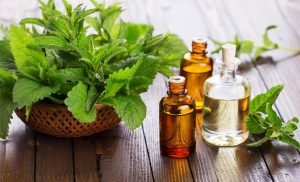
Tea Tree Essential Oil Tea tree oil is often referred to as “medicine cabinet in a bottle,” as it’s ..
-

13 surprising home remedies for acid reflux Before you reach for the heavy-duty, prescription-strength ..
-
Great Burdock The root is used to treat ‘toxic overload’ that result in throat infections and skin ..