
-

1. Apples Are Nutritious A medium apple is equal to 1.5 cups of fruit. Two cups of fruit daily are recommended ..
-
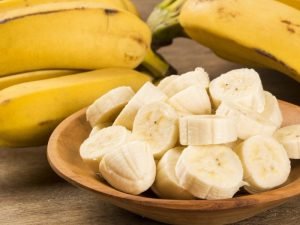
1.Bananas help overcome depression due to high levels of tryptophan, which is converted into serotonin ..
-

1. Beta carotene: Carrots are a rich source of this powerful antioxidant, which, among other vital uses, ..
-

Tinnitus in the ear can occur due to ear infections, various infections, perforation of the eardrum, ..
-
Comments Off on Pregnancy Calendar – Week 5 of Your Pregnancy

5-week pregnancy “Pregnancy calendar” at week 5: Your baby’s brain is developing. You may feel ..
-
Comments Off on Pregnancy Calendar – Week 4 of Your Pregnancy

4 weeks pregnancy “Pregnancy calendar” at 4th week: A miracle begins! Your baby, now consisting ..
-

Homemade Electrolyte Drinks Without Artificial Ingredients
When the mercury climbs past 38 degrees in Brisbane or you're hauling a backpack through the Aussie bush on a scorching summer weekend, plain water sometimes falls short. Your body loses essential salts and trace elements through sweat, and replacing them matters whether you're a tradie on a building site in Parramatta, a weekend cricketer in Adelaide, or a parent wrangling kids at a coastal caravan park. A homemade electrolyte drink offers a way to refill what you've lost without the synthetic colours, preservatives and sweeteners that fill the shelves at your local servo.
Commercial hydration mixes often rely on food acids like citric acid, artificial flavours such as "blue raspberry," and sweeteners like sucralose or high-fructose corn syrup. They work in a pinch, but many Australians are reading labels more carefully than ever and looking for cleaner alternatives. A few pantry staples, some fresh produce from the greengrocer, and ten minutes in the kitchen are usually all it takes to build a drink that supports recovery without anything artificial.
Why Electrolytes Matter and What Shop-Bought Drinks Hide
Electrolytes are minerals that carry an electrical charge when dissolved in fluid. Sodium, potassium, magnesium, calcium and chloride keep your nerves firing, your muscles contracting, and your fluid balance steady. Lose too much through heavy sweating and you can end up with cramps, dizziness, or that flat-out feeling AFL players call "hitting the wall" in the last quarter. Replenishing these minerals matters most during prolonged exertion, illness with vomiting or diarrhoea, and hot Australian days when you're outdoors for hours.
Many of the brightly coloured sports drinks lining the aisle at Chemist Warehouse or Coles contain 30 to 40 grams of added sugar per litre, plus a long list of additives. Food acid regulators like 330, artificial colours like 102 and 133, and preservatives such as 211 appear on the label even in products marketed as healthy. They keep the drink cheap and shelf-stable, but they're also the ingredients many Aussies are trying to avoid when they read the back of the pack. Crafting your own mix lets you skip all of that and dial in exactly what your body needs.
Core Ingredients Behind a Natural Hydration Mix
A solid homemade electrolyte drink rests on a handful of ingredients available at any Australian supermarket or farmers market. Coconut water naturally delivers potassium and a touch of magnesium, while fresh lemon or lime juice brings in vitamin C along with a bright, thirst-quenching tartness. A quality sea salt from the shops, ideally an Australian brand harvested from clean coastal waters, supplies sodium along with trace minerals that table salt strips away during refining. Raw honey or pure maple syrup provides a slow-release energy source without the spike that refined sugar causes.
From there you can customise. Fresh ginger adds warmth and helps settle an upset stomach during a bout of food poisoning or travel sickness on a long drive up the Pacific Highway. A splash of freshly squeezed orange juice from the Riverland citrus growers in South Australia rounds out the flavour and adds another layer of natural sugars. For a magnesium boost, a small amount of food-grade magnesium powder or a tablespoon of pumpkin seed milk works well for those who sweat heavily during a long hike in the Grampians or a sweaty arvo on the tennis court.
The Foundational Citrus and Honey Recipe
This base recipe makes roughly one litre, enough to fill a 1L stainless steel drink bottle for a single person during a moderate session or for two people sharing during a hot backyard BBQ. Start with 400 millilitres of cold filtered water and 200 millilitres of pure coconut water. Add the juice of one whole lemon and half an orange, freshly squeezed rather than bottled. Stir in two tablespoons of raw honey until completely dissolved, then add a quarter teaspoon of fine sea salt and a pinch of cream of tartar if you have it on hand, which lifts the potassium content a touch higher.
Whisk everything together in a large jar or a soda stream bottle, taste, and adjust. If the drink feels too tart, add another splash of orange juice. If it tastes flat, a touch more salt brings the mineral profile up. Many home recipe developers share their favourite tweaks and seasonal variations through newsletters, and you can join our newsletter for fresh ideas straight from our team. Serve it over ice with a few sprigs of fresh mint from the herb garden during a backyard gathering, or pop it in the fridge the night before an early-morning parkrun.
Tailoring the Mix to Your Day and the Conditions
The beauty of making your own blend is adjusting it to whatever your body has just been through. After a long shift roofing in Penrith or three sets of tennis in the Perth sun, your body has likely dumped a serious amount of sodium. Doubling the salt to half a teaspoon per litre and adding a mashed banana for extra potassium helps replace what you've lost and steadies muscle function. If you crave something more substantial, blend in half a cup of frozen mangoes from the NT growers during peak season for natural sugars and a thicker texture that fills you up.
For a kid recovering from a gastro bug picked up at childcare, scale the honey back and skip the citrus if their stomach feels raw. A gentler mix of coconut water, a small pinch of salt, and a splash of pear juice goes down easier. After a bushwalk in the Blue Mountains or a mountain bike ride through the You Yangs, the higher-sodium version comes into its own, and you can pre-mix the dry ingredients into small zip-lock bags at home so all you have to do at the trailhead is add water from your reliable outdoor bottle and shake.
Storing Your Homemade Mix Safely
Because there are no preservatives, your homemade electrolyte drink keeps best in the fridge and stays fresh for around three days when stored in a clean glass jar with a tight-fitting lid. Glass avoids the plastic taste that develops in cheap polyethylene bottles and holds the cold longer when you pack it into an esky for a day at the cricket. If you want to prep ahead, mix the dry ingredients - salt, a small amount of dried citrus zest, and any powdered add-ins - into small jars and store them in the pantry for up to a month. Add the fresh liquids on the day you need them.
For school lunchboxes, freeze the drink into ice blocks using small silicone moulds. They thaw slowly through the morning and end up as a slushy treat by lunchtime, which keeps kids interested in drinking enough during a steamy Adelaide Hills summer. When travelling, an insulated drink bottle keeps the mix cool for hours, and a quick rinse with hot water between batches keeps things hygienic. If you notice any cloudiness, fizz, or off smells, tip it out and start fresh, since natural ingredients don't keep forever.
Cost, Sustainability and Supporting Local Producers
A litre of homemade electrolyte drink typically costs between two and four dollars to make, depending on which ingredients you already have in the kitchen and whether you shop at farmers markets. Compare that with a 600ml sports drink from the servo, which often runs four to five dollars and comes wrapped in single-use plastic. Over a cricket summer or a long AFL preseason, the savings stack up, especially for families buying in bulk. Buying mangoes, citrus, and herbs from a local growers market also means your dollars stay in the regional communities that produce them, from the citrus farms of the Murray River corridor to the mango plantations around Katherine.
The waste reduction matters too. A reusable 750ml stainless steel bottle, washed and refilled, replaces hundreds of disposable plastic bottles over a year. Many Australian councils now run container deposit schemes, but avoiding the bottle in the first place cuts down on transport emissions and the recycling load. With a small weekly prep session, you'll have a steady supply of clean, custom-blended hydration ready for whatever the weather throws at you, from a steamy Sydney arvo to a chilly coastal ride along the Great Ocean Road.
-

Tea Tree Essential Oil Tea tree oil is often referred to as “medicine cabinet in a bottle,” as it’s ..
-

13 surprising home remedies for acid reflux Before you reach for the heavy-duty, prescription-strength ..
-

Great Burdock The root is used to treat ‘toxic overload’ that result in throat infections and skin ..