
-
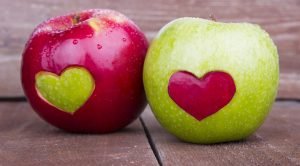
1. Apples Are Nutritious A medium apple is equal to 1.5 cups of fruit. Two cups of fruit daily are recommended ..
-
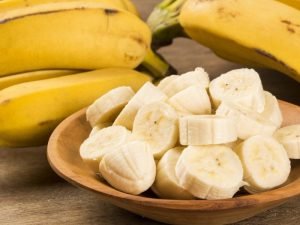
1.Bananas help overcome depression due to high levels of tryptophan, which is converted into serotonin ..
-
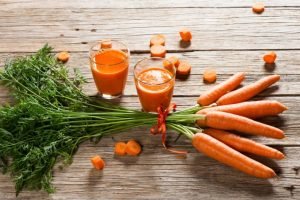
1. Beta carotene: Carrots are a rich source of this powerful antioxidant, which, among other vital uses, ..
-

Tinnitus in the ear can occur due to ear infections, various infections, perforation of the eardrum, ..
-
Comments Off on Pregnancy Calendar – Week 5 of Your Pregnancy

5-week pregnancy “Pregnancy calendar” at week 5: Your baby’s brain is developing. You may feel ..
-
Comments Off on Pregnancy Calendar – Week 4 of Your Pregnancy

4 weeks pregnancy “Pregnancy calendar” at 4th week: A miracle begins! Your baby, now consisting ..
-
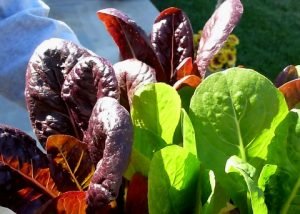
Making herbal tinctures for common ailments at home
Herbal tinctures are alcohol extracts of plants, prepared by soaking roots, bark, leaves, flowers or seeds in a liquid called a menstruum. Most use vodka or grain spirit at 25–60% alcohol by volume, so they differ from herbal teas, decoctions and infused oils. Properly made, they offer a portable way to preserve the aromatic and bitter constituents used in traditional herbal practice.
Making your own herbal tinctures at home can be satisfying and economical when ordinary culinary herbs are available. It also puts preparation, labelling and dosing in your hands, which matters because potency varies widely between plants and recipes. This guide explains maceration and basic ratios for adults; it is educational, not a substitute for a pharmacist or clinician, and some remedies are unsuitable during pregnancy, for children or alongside prescription medicines.
Choose the plant and check the material
Begin with the botanical name and the part used, rather than a marketing label such as “calming blend”. Lemon balm leaf, chamomile flower and ginger root are different medicines, and a dried product can lose strength or develop mould if stored badly. Use herbs you can identify confidently, preferably grown at home or bought from a reputable herb nursery, grocer or herbal dispensary.
Australian bushwalkers in Tasmania or the Blue Mountains may encounter plants advertised as native remedies, but photograph-based identification is unsafe and many species are protected. Check council or state rules, obtain permission where required and avoid stripping wild populations. Knowledge held by Aboriginal and Torres Strait Islander communities should be respected rather than replaced by improvised harvesting or untested substitutions.
Commercial labelling can help with comparison: an AUST L number identifies a listed complementary medicine, while AUST R identifies a registered medicine. Neither is a promise that a product is safe for every person. If you shop online, check whether a supplier such as Tazkra herbal supplies states the botanical name, plant part and batch date; those details matter more than a broad wellness claim.
Gather materials and start a maceration
A small batch needs simple equipment, accurate weights and a solvent strong enough to preserve the extract. Use food-grade glass, a digital scale, a funnel, unbleached muslin or filter paper, and a dark dropper bottle with a child-resistant cap. Buy potable 40% spirit rather than industrial alcohol, denatured alcohol or a bottle labelled for external use only. A recipe needing higher proof calls for legally sourced, food-grade spirit; licensing rules differ across Australia, and home distillation is not a shortcut.
- Containers: A wide-mouth amber glass jar for steeping and a 15–30 mL amber dropper bottle for use.
- Scale and cloth: A digital scale for grams and unbleached muslin or coffee-filter paper for straining.
- Filter and funnel: Paper or cloth filtration gives a cleaner liquid; keep a second filter ready for fine sediment.
- Menstruum: Potable vodka or grain spirit, usually 40% alcohol, with clean water for dilution if a recipe calls for it.
- Labels: A waterproof marker or printed labels for the plant, part, ratio, solvent strength, date and batch.
For a dried-herb batch, a common starting ratio is one part herb by weight to five parts final liquid by volume, using 25–60% alcohol according to the plant and the intended shelf life. Fresh material needs more alcohol because it contains water; a 1:2 ratio in 50–60% spirit is often used. Follow a tested, herb-specific formula whenever one is available, and calculate from the final strained volume rather than the amount poured into the jar.
For dried material, use clean, thoroughly dry leaves, flowers, bark or root; for fresh material, wilt it first and use the higher-alcohol method. Pack the herb into the jar, pour enough menstruum to cover it completely, seal it and label the date. Keep it in a dark cupboard and shake daily for the first week, then several times a week for roughly two to four weeks. Top up with the same menstruum if the plant absorbs liquid. At the end, strain without squeezing hard, press the spent material gently, then filter the liquid into clean bottles.
Match a simple preparation to an everyday complaint
A homemade tincture is best treated as a concentrated botanical extract, not a ready-made medicine for every symptom. Traditional use is not the same as proof of effectiveness, and alcohol extracts are not interchangeable with the same herb eaten as a food or drunk as tea. Choose one plant at a time when learning, and keep notes on the batch rather than mixing several uncertain botanicals.
- Ginger root for nausea: Traditionally used for mild queasiness and digestive upset; it may help some adults, but it is not a treatment for severe or persistent vomiting.
- Peppermint leaf for gas: Often used for bloating and intestinal cramps. Choose peppermint or spearmint clearly, and avoid concentrated preparations if peppermint worsens reflux or heartburn.
- Chamomile flower for digestion: A traditional option for mild stomach cramps and an evening wind-down drink. Avoid it if you react to ragweed, daisies or other members of the daisy family.
- Lemon balm leaf for relaxation: Traditionally taken for mild stress and restlessness, although evidence for treating anxiety is limited. People with thyroid disease should ask a clinician before using concentrated lemon balm.
- Thyme for coughs: Its leaves are traditionally used for sore throats and coughs, but evidence for specific cough remedies is modest. Keep any preparation away from children unless a clinician has advised otherwise.
Even familiar kitchen herbs can be potent. A dropper, a teaspoon and a tablespoon do not deliver the same dose, and homemade batches may be stronger or weaker than a commercial product. Do not copy a drop count from a tea or another tincture; follow guidance matched to the herb, extraction strength and your health circumstances.
Keep oral and skin preparations separate. Undiluted alcohol tinctures can sting or irritate the face, mucous membranes and broken skin, so a traditional external herb does not automatically suit a tincture. Never put a preparation into a wound, ear or nostril, and do not assume that a product intended for a gargle is safe to swallow.
Store the tincture so it stays useful
Decanting into a smaller bottle reduces repeated exposure to air and makes dosing easier, but it also makes the original label important. Record the common and botanical names, plant part, fresh or dried origin, ratio, alcohol percentage, preparation date and batch number. Keep a contact card or recipe sheet with the batch; ingredients such as fresh garlic or plants treated with pesticides should not be assumed suitable.
Store sealed amber glass in a cool, dry, dark cupboard rather than beside a stove, in a shed or in a car boot. Summer temperatures in Brisbane or Darwin can damage a tincture quickly, while Melbourne’s rapid seasonal changes mean a warm garage is unsuitable even in spring. Refrigeration is not usually essential for a correctly preserved alcohol tincture, but follow the recipe’s instructions and keep the container sealed if chilled.
Many dry-herb tinctures remain stable for several years, yet quality and potency can fade. A conservative home-use period of about two to three years is sensible when no tested shelf-life guidance is available. Replace a batch that has clouded unexpectedly, bubbled, leaked, developed a strange smell or shows mould. Clean the dropper between uses and never let it touch the liquid.
Use the tincture safely within sensible limits
Pregnancy and breastfeeding call for particular caution. A concentrated herbal extract is not equivalent to a culinary ingredient, and safety evidence for many botanicals is incomplete. Avoid making medicinal tinctures during pregnancy unless your midwife, obstetrician or doctor has approved the exact herb and dose. Pennyroyal and blue cohosh are examples that should not be used; ordinary ginger used in food is a separate question from repeated ginger tincture doses.
Ask a pharmacist about interactions before adding a tincture to treatment. St John’s wort can alter the effectiveness of several medicines, and herbs used for sleep, digestion or blood sugar may also affect prescription drugs. In Australian everyday speech, a “chemist” often means a pharmacy, making the local community chemist a familiar place to ask for advice. Extra caution is sensible with anticoagulants, thyroid medicines, diabetes medicines, sedatives and immunosuppressants.
Do not use homemade tinctures in children without professional guidance, and do not give alcohol-containing drops to a child. Skip alcohol-based preparations if you avoid alcohol for health, religious or recovery reasons, or if you have an ulcer or significant liver disease. Seek urgent medical help for trouble breathing, facial swelling, severe abdominal pain, confusion or a rapidly worsening illness. Persistent vomiting, jaundice, dark urine, unexplained bleeding or symptoms that keep returning deserve timely medical assessment.
-
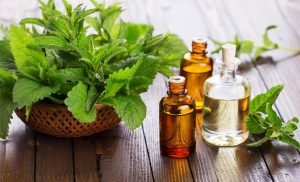
Tea Tree Essential Oil Tea tree oil is often referred to as “medicine cabinet in a bottle,” as it’s ..
-

13 surprising home remedies for acid reflux Before you reach for the heavy-duty, prescription-strength ..
-
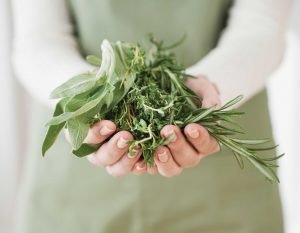
Great Burdock The root is used to treat ‘toxic overload’ that result in throat infections and skin ..