
-

1. Apples Are Nutritious A medium apple is equal to 1.5 cups of fruit. Two cups of fruit daily are recommended ..
-
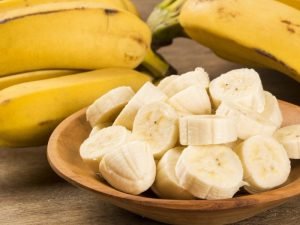
1.Bananas help overcome depression due to high levels of tryptophan, which is converted into serotonin ..
-

1. Beta carotene: Carrots are a rich source of this powerful antioxidant, which, among other vital uses, ..
-

Tinnitus in the ear can occur due to ear infections, various infections, perforation of the eardrum, ..
-
Comments Off on Pregnancy Calendar – Week 5 of Your Pregnancy

5-week pregnancy “Pregnancy calendar” at week 5: Your baby’s brain is developing. You may feel ..
-
Comments Off on Pregnancy Calendar – Week 4 of Your Pregnancy

4 weeks pregnancy “Pregnancy calendar” at 4th week: A miracle begins! Your baby, now consisting ..
-
How to Make Sugar-Free Fruit and Nut Energy Bars
Homemade fruit and nut bars are a practical snack for busy mornings, school lunch boxes, weekend walks and the drive between appointments. They can be made without refined sugar, golden syrup, honey or artificial sweeteners, using the natural sweetness of dried fruit to hold the mixture together. With a food processor and a few pantry ingredients, you can prepare a batch in less time than it takes to visit the supermarket.
The phrase “sugar-free” needs a little care. Dried dates, apricots, sultanas and other fruit still contain naturally occurring sugars, even when no sugar is added. These bars are therefore best described as no-added-sugar snacks. They may suit people who want to reduce confectionery and highly processed snack foods, but anyone managing diabetes, food allergies or a prescribed diet should consider the full nutrition panel and seek individual advice from a qualified health professional.
Choose Ingredients That Bind Naturally
Soft dried dates are usually the easiest base because they are sticky, moist and sweet enough to replace syrups. Medjool dates create a softer bar, while smaller dried dates may need soaking in hot water for 5–10 minutes before blending. Drain them well so the mixture does not become wet. If dates are unavailable, unsweetened dried figs or prunes can work, although their texture and flavour will be slightly different.
Nuts contribute healthy fats, protein and a satisfying crunch. Almonds, cashews, walnuts, pecans and macadamias are all suitable, and roasted nuts provide a deeper flavour. Choose unsalted nuts where possible, especially if the bars are intended for children. Seeds such as pepitas, sunflower seeds, chia seeds or linseeds can replace part of the nuts for variety, but check packaging carefully if the snack will be taken to a school or workplace with allergy restrictions.
Rolled oats can make the bars more substantial and less sticky, while shredded coconut, cinnamon, cacao powder and orange zest add flavour without added sugar. Use unsweetened coconut and cacao rather than sweetened drinking chocolate. In Australia, ingredients are commonly sold by weight in grams, so a kitchen scale is helpful when adjusting a recipe or comparing nutrition panels at Coles, Woolworths, Aldi or a local bulk-food shop.
Ingredients And Simple Combinations
A basic batch makes approximately 12 small bars. Adjust the proportions according to the dryness of the fruit and the firmness you prefer. The mixture should clump when pressed between your fingers but should not feel oily or runny.
- 250 g soft pitted dates
- 150 g almonds, cashews or mixed nuts
- 60 g rolled oats or unsweetened coconut
- 1 tablespoon chia seeds or ground linseeds
- 1 teaspoon cinnamon, plus a pinch of salt if desired
For a chocolate-style version, add 1–2 tablespoons of unsweetened cacao powder and a little vanilla extract. For a tropical flavour, use cashews, coconut, lime zest and a small amount of unsweetened dried pineapple. Dried pineapple and mango are often sweetened, so read the ingredient list rather than assuming a product is plain. At farmers’ markets in Brisbane, Melbourne and Perth, you may find locally packed nuts or dried fruit, but the absence of a large brand label does not automatically mean that sugar has not been added.
Seeds can replace some or all of the oats, which is useful for people avoiding grains. A spoonful of smooth natural peanut butter can make the mixture richer, but it may also make the bars softer. When using nut butter, choose one with nuts as the main ingredient and no added sugar. Keep in mind that peanut is a legume, while almonds, walnuts and cashews are tree nuts, so allergy precautions differ.
Prepare The Mixture Safely
Begin by lining a small square baking tin with baking paper, leaving some paper over the sides to lift the finished slab out easily. If you prefer individual pieces, place small portions into silicone moulds or roll the mixture into balls. Wash your hands, utensils and work surface before starting, particularly when the food will be packed for children.
Pulse the nuts in a food processor until they resemble coarse crumbs. Avoid processing them for too long, or they may turn into nut butter. Add the oats, seeds and spices, then pulse briefly to combine. Add the dates gradually and process until the mixture forms clumps. A few visible pieces of nut are desirable because they give the bars texture.
If the mixture will not hold together, add one or two more dates, a teaspoon of water, or a small spoonful of nut butter. If it feels too sticky, mix in extra oats, ground nuts or coconut. Press the mixture firmly into the lined tin using the back of a spoon or a flat glass. Compacting it well helps prevent crumbly bars that fall apart in a lunch bag.
The blend does not need to be cooked. Chilling is what firms the natural oils and fruit sugars. Refrigerate the pressed mixture for at least one hour, then cut it into bars with a sharp knife. For people who enjoy outdoor activities around Sydney’s coastal tracks or Canberra’s cooler walking trails, individually wrapping the pieces in reusable food wraps can make them easier to carry.
Flavour Ideas And Ingredient Swaps
The same base can produce several different snacks without relying on added sugar. Keep the fruit-to-dry-ingredient ratio fairly consistent, then alter the spices, nuts and seeds. A small amount of citrus zest can brighten a dense mixture, while cinnamon and ginger give a warmer flavour for cooler months. Avoid adding fruit juice, as it can make the bars wet and increases the amount of free sugar.
- Date, almond and cacao bars with cinnamon
- Fig, walnut and orange-zest bars with chia seeds
- Apricot, cashew and coconut bars with ginger
- Prune, pecan and oat bars with vanilla
- Date, macadamia and pumpkin-seed bars with lime zest
When using dried apricots, choose unsweetened fruit and remember that sulphites may be used to preserve colour. Some people are sensitive to sulphites, so check the label if you have experienced reactions to preserved foods. Coconut is also worth checking in mixed products because sweetened varieties can contain added sugar.
For a lower-cost batch, combine a small amount of premium nuts with sunflower seeds or oats. Macadamias are a distinctly Australian option, but they can be expensive, while peanuts, sunflower seeds and rolled oats are often more economical. Buying ingredients in modest quantities is sensible in warm Australian weather because nuts can become rancid when stored for long periods in a hot pantry.
Manage Portions And Storage
Energy bars are concentrated snacks. A small piece may contain several dates and a substantial amount of nuts, so cutting a tray into 12–16 portions can be more suitable than making large café-style bars. Pairing one piece with plain yoghurt or a piece of fresh fruit can create a more balanced snack, especially after a walk, swim or cycling session.
Store the bars in an airtight container in the refrigerator for up to one week. Place baking paper between layers to prevent sticking. They can usually be frozen for around two to three months; thaw one portion in the refrigerator or at room temperature before eating. In summer, avoid leaving them in a hot car, beach bag or school bag for many hours, as the nut oils may soften and the bars can spoil more quickly.
A useful habit is to label the container with the preparation date and the ingredients used. This matters when a household includes someone with a nut, sesame, peanut or sulphite allergy. If you need to report a correction about an ingredient or allergy note on a health article, use the site’s contact details rather than relying on an informal social media comment.
Read Labels And Serve Mindfully
A homemade bar can be a better alternative to lollies, sweet biscuits or commercial snack bars, but it is not automatically low in sugar or calories. Compare the ingredient list and nutrition information for packaged dried fruit, nut butter, cacao, coconut and any flavouring. Look for phrases such as “no added sugar” while remembering that “natural” and “organic” do not mean sugar-free.
For children, cut firm bars into small, manageable pieces and consider whether whole nuts are age-appropriate. Young children can face choking risks from whole nuts and dense sticky foods, so follow current Australian child-feeding guidance and adapt the texture and size accordingly. Do not pack nut-based bars into a school that has a nut-free policy; a seed-and-oat version may still require checking for cross-contact warnings.
People with diabetes, digestive disorders, food allergies or conditions requiring controlled carbohydrate intake may need a different recipe or portion size. Dates and other dried fruits provide carbohydrate in a compact form, and nuts can be problematic for people with allergies even when the recipe contains no refined sugar. Anyone taking prescribed medication or following a therapeutic diet should discuss regular use of these snacks with their healthcare professional.
Making a small batch also makes it easier to notice how the food suits you. Keep the ingredient list short, change one ingredient at a time and observe texture, fullness and digestive comfort. A well-chilled bar should hold together, taste pleasantly fruity and nutty, and work as a convenient addition to a varied eating pattern rather than a substitute for regular meals.
-

Tea Tree Essential Oil Tea tree oil is often referred to as “medicine cabinet in a bottle,” as it’s ..
-

13 surprising home remedies for acid reflux Before you reach for the heavy-duty, prescription-strength ..
-
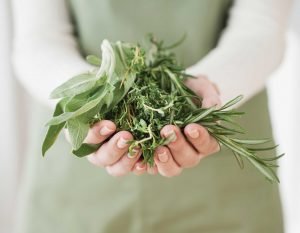
Great Burdock The root is used to treat ‘toxic overload’ that result in throat infections and skin ..