
-
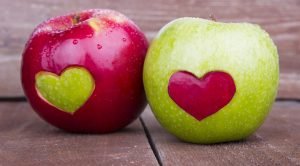
1. Apples Are Nutritious A medium apple is equal to 1.5 cups of fruit. Two cups of fruit daily are recommended ..
-
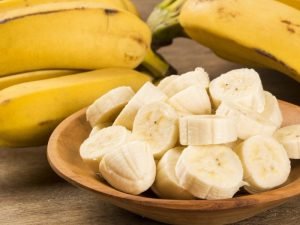
1.Bananas help overcome depression due to high levels of tryptophan, which is converted into serotonin ..
-
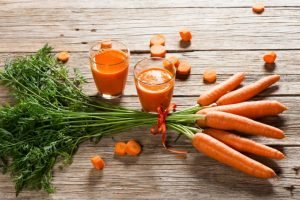
1. Beta carotene: Carrots are a rich source of this powerful antioxidant, which, among other vital uses, ..
-

Tinnitus in the ear can occur due to ear infections, various infections, perforation of the eardrum, ..
-
Comments Off on Pregnancy Calendar – Week 5 of Your Pregnancy

5-week pregnancy “Pregnancy calendar” at week 5: Your baby’s brain is developing. You may feel ..
-
Comments Off on Pregnancy Calendar – Week 4 of Your Pregnancy

4 weeks pregnancy “Pregnancy calendar” at 4th week: A miracle begins! Your baby, now consisting ..
-

How to Build a Nutrient-Dense Green Smoothie Bowl
A green smoothie bowl can turn leafy vegetables, fruit, protein, and healthy fats into a satisfying meal that feels fresh rather than restrictive. Its thick, spoonable texture makes it different from a drinkable smoothie, while toppings add crunch, flavor, and visual appeal.
The most nourishing bowl comes from balance. Greens provide folate, vitamin K, and plant compounds; fruit contributes carbohydrates, potassium, and natural sweetness; protein and fats help support fullness. Fiber from produce, seeds, and oats can also support regular digestion when increased gradually with enough fluids.
A good recipe does not need expensive powders or a long list of superfoods. A handful of spinach, frozen berries, plain yogurt, a spoonful of nut butter, and a small amount of liquid can create a nutrient-rich breakfast or snack. The key is choosing ingredients that work together and keeping added sugar modest.
Why This Bowl Works
Leafy greens are an easy way to add vegetables to the first meal of the day. Baby spinach has a mild flavor and blends smoothly, while kale offers a more robust taste and a higher-fiber texture. Romaine, arugula, and tender chard can also be used in smaller amounts, although their flavors may be stronger.
Fruit makes the mixture naturally sweet and helps soften the taste of raw vegetables. Berries supply color and polyphenols, while banana creates creaminess and sweetness. Mango, peaches, pineapple, and pear are useful alternatives. Frozen fruit is especially practical because it chills the bowl and reduces the need for ice, which can dilute flavor.
A complete bowl should include a source of protein and a small amount of unsaturated fat. These additions help make the meal more satisfying than a fruit-and-greens blend alone. Greek yogurt, kefir, silken tofu, hemp hearts, chia seeds, pumpkin seeds, or a low-sugar protein powder can all contribute protein. Avocado, ground flaxseed, tahini, walnuts, and natural nut butter add creaminess and beneficial fats.
Choose a Balanced Ingredient Base
Start with one to two packed cups of washed greens. If kale is fibrous, remove the thick stems and massage the leaves briefly with clean hands before blending. Spinach is usually the easiest choice for beginners because it has a gentle flavor and soft leaves. Using several greens at once can create a bitter or grassy flavor, so simple combinations often taste better.
Add approximately one cup of frozen fruit. Berries pair well with spinach and yogurt, while pineapple or mango can balance kale. Banana provides a thicker texture, but it also adds considerable sweetness. If using a very sweet fruit, choose unsweetened yogurt and skip honey, syrup, or juice.
Use liquid sparingly. Two to four tablespoons of unsweetened milk, soy beverage, kefir, or coconut water may be enough to get the blender moving. Pouring in a full cup of liquid can produce a drink rather than a bowl. Add more in small amounts only when the blades need help.
For a meal-sized portion, include one protein-rich ingredient and one fiber- or fat-rich ingredient. For example, combine plain Greek yogurt with chia seeds, or silken tofu with almond butter. Rolled oats can add body and soluble fiber, while ground flaxseed contributes fiber and a mild nutty flavor. Keep portions realistic because seeds, nut butter, granola, and dried fruit are nutritious but energy-dense.
Combine Texture, Flavor, and Nutrition
The order of ingredients can affect the blending process. Add liquid first, followed by yogurt or tofu, greens, soft fruit, frozen fruit, and seeds. This arrangement helps the blades reach the softer ingredients before working through the frozen pieces. A high-speed blender may handle the mixture quickly, while a standard blender may need a few pauses and scrapes.
Blend at low speed first, then increase gradually. Stop as soon as the mixture is thick and smooth; prolonged blending can warm the bowl and make it thinner. If it is too loose, add a few frozen berries, a small piece of frozen banana, or a spoonful of oats. If it is too thick to move, add liquid one tablespoon at a time.
Flavor can be adjusted without relying on refined sugar. Cinnamon, fresh ginger, lemon juice, vanilla, unsweetened cocoa, or mint can add brightness. A pinch of salt may make fruit taste sweeter, but use very little. For a green smoothie bowl with a savory edge, try cucumber, avocado, lime, cilantro, and a small amount of pineapple.
Toppings should complement the base rather than overwhelm it. Fresh berries, sliced kiwi, pumpkin seeds, hemp hearts, unsweetened coconut, cacao nibs, and a few crushed walnuts offer contrasting textures. Granola can work well, but check the label for added sugar and keep the serving modest. Arrange toppings just before eating so they remain crisp.
Ingredient Choices at a Glance
The best ingredients depend on taste, dietary needs, texture preferences, and what is available. The combinations below can guide substitutions without requiring an exact recipe.
Component Useful choices Main contribution Practical note Leafy greens Spinach, kale, chard, romaine Folate, vitamin K, fiber, plant compounds Use spinach for a mild flavor; remove tough kale stems Frozen fruit Berries, banana, mango, pineapple Carbohydrates, flavor, potassium, vitamins Frozen pieces create thickness without much liquid Protein Greek yogurt, kefir, tofu, hemp hearts, protein powder Protein and greater satiety Choose unsweetened options when possible Healthy fat Avocado, nut butter, flaxseed, chia, tahini Unsaturated fat, texture, some fiber Measure calorie-dense ingredients instead of pouring freely Thickener Oats, chia seeds, frozen cauliflower, avocado Body and a spoonable consistency Let chia or oats stand briefly if the bowl is too thin Liquid Unsweetened milk, soy beverage, kefir, coconut water Helps the blender operate Begin with a few tablespoons and add gradually Flavor boosters Ginger, cinnamon, lemon, mint, vanilla Aroma and balance Use these before adding sweeteners Crunchy toppings Pumpkin seeds, berries, cacao nibs, coconut Texture and variety Add a small portion for balance A comparison like this also makes substitutions easier. Someone avoiding dairy can use fortified soy beverage, tofu, or a plant-based yogurt with adequate protein. A person who dislikes bananas can use avocado, oats, or frozen cauliflower for creaminess. Individuals with nut allergies can choose pumpkin seeds, sunflower seed butter, or hemp hearts, while taking care to avoid cross-contaminated products.
Nutrient density does not mean adding every available ingredient. Too many powders, seeds, fruits, and toppings can create a large portion with excessive sweetness or calories. Select one or two options from each category, taste the mixture, and adjust it gradually.
Use a Reliable Blending Method
A simple formula is two parts produce, one part protein-rich food, a small amount of healthy fat, and just enough liquid to blend. For one bowl, try one packed cup of spinach, one cup of frozen berries, half a cup of plain Greek yogurt, one tablespoon of ground flaxseed, and two to four tablespoons of unsweetened milk. This is a starting point rather than a strict prescription.
Place the liquid and yogurt in the blender first. Add spinach, flaxseed, and frozen berries, then blend until the mixture is thick and mostly smooth. Pause to scrape down the sides if needed. If the blender struggles, add another tablespoon of liquid instead of pouring in a large amount at once.
Taste before adding a sweetener. Ripe banana, mango, or a few dates may be enough, though dates and syrups increase the bowl’s sugar content. If the flavor is too earthy, add citrus, ginger, or a small amount of fruit. If the bowl tastes flat, a pinch of cinnamon or salt may provide better balance than extra sweetness.
Serve the bowl soon after blending. This preserves its texture and reduces the time cut fruit and dairy sit at room temperature. Refrigerate leftovers promptly in a covered container, but expect some separation and color changes. Stir before eating and use refrigerated leftovers within a safe timeframe according to the ingredients and local food-safety guidance.
Adapt the Recipe to Your Needs
A green smoothie bowl can be adjusted for different eating patterns. A dairy-free version may include silken tofu, unsweetened soy yogurt, or fortified soy milk. A vegan bowl can use hemp hearts, chia seeds, tofu, or a plant protein powder. Check protein labels because some plant-based yogurts contain little protein and may be heavily sweetened.
For a lower-sugar option, emphasize leafy greens, berries, avocado, cucumber, and plain yogurt, and limit banana, mango, dates, and sweetened toppings. For extra calories and protein, increase yogurt or tofu and add measured nut butter or seeds. People who need more fiber should raise fiber-rich ingredients gradually and drink enough fluid throughout the day.
Those with diabetes may benefit from pairing fruit with protein, fat, and fiber while monitoring individual blood-glucose responses. Anyone with kidney disease may need to limit or adjust foods high in potassium, phosphorus, or protein. People with food allergies should read labels carefully, especially for protein powders, granola, seed products, and shared manufacturing facilities.
During pregnancy, wash fresh produce thoroughly, use pasteurized dairy products, and avoid unpasteurized juices or dairy. Herbal powders and concentrated supplements should be discussed with a qualified healthcare professional because “natural” products are not automatically appropriate during pregnancy. A smoothie bowl should complement a varied eating pattern rather than replace professional dietary guidance.
Simple Habits for Better Bowls
Preparation becomes easier when the ingredients are organized in advance. Wash greens, portion fruit into freezer-safe containers, and keep small jars of seeds or oats ready to use. Frozen produce can reduce waste and makes it possible to prepare a thick bowl even when fresh fruit is out of season.
Pay attention to how the bowl affects your energy, fullness, and digestion. A bowl that leaves you hungry soon afterward may need more protein or a larger portion of fiber-rich ingredients. Bloating may signal that the amount of seeds, raw greens, or fruit was increased too quickly. Adjust one ingredient at a time so you can identify what works best.
- Use unsweetened dairy or plant-based yogurt as the foundation.
- Begin with a small amount of liquid to preserve a thick consistency.
- Pair fruit with protein, fiber, and unsaturated fat.
- Measure toppings such as granola, nut butter, seeds, and dried fruit.
- Wash produce carefully and serve the bowl soon after blending.
The most useful recipe is one that fits your schedule and appetite. A quick spinach-and-berry bowl may be ideal on a busy morning, while a kale, pineapple, tofu, and ginger combination can provide variety later in the week. Rotating fruits, greens, and protein sources also broadens the range of nutrients and keeps the routine enjoyable.
Set aside a few minutes to prepare one balanced bowl with ingredients already in your kitchen. Start with a mild green, frozen fruit, a protein source, and a small amount of liquid, then add toppings for texture. With a simple formula and thoughtful portions, this colorful meal can become a practical part of a nourishing everyday routine.
-

Tea Tree Essential Oil Tea tree oil is often referred to as “medicine cabinet in a bottle,” as it’s ..
-

13 surprising home remedies for acid reflux Before you reach for the heavy-duty, prescription-strength ..
-
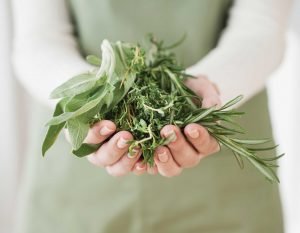
Great Burdock The root is used to treat ‘toxic overload’ that result in throat infections and skin ..