
-

1. Apples Are Nutritious A medium apple is equal to 1.5 cups of fruit. Two cups of fruit daily are recommended ..
-
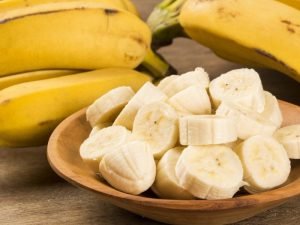
1.Bananas help overcome depression due to high levels of tryptophan, which is converted into serotonin ..
-
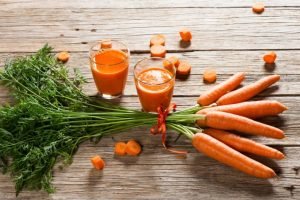
1. Beta carotene: Carrots are a rich source of this powerful antioxidant, which, among other vital uses, ..
-

Tinnitus in the ear can occur due to ear infections, various infections, perforation of the eardrum, ..
-
Comments Off on Pregnancy Calendar – Week 5 of Your Pregnancy

5-week pregnancy “Pregnancy calendar” at week 5: Your baby’s brain is developing. You may feel ..
-
Comments Off on Pregnancy Calendar – Week 4 of Your Pregnancy

4 weeks pregnancy “Pregnancy calendar” at 4th week: A miracle begins! Your baby, now consisting ..
-

How to recognise vitamin C deficiency and foods that correct it
Vitamin C deficiency is uncommon in Australia but can occur when fruit and vegetables are consistently absent from the diet, intake is restricted, or absorption and storage of nutrients are impaired. It may develop gradually, so early symptoms can be mistaken for a busy week, stress or a viral illness. Recognising the pattern and checking likely causes is more useful than treating a single symptom with supplements.
A diet with plenty of vitamin C is usually enough to correct a mild shortfall, while severe or persistent deficiency may need medical assessment and supervised treatment. The foods below are practical options available across Australia, including budget staples and higher-variety produce. Symptoms such as bleeding gums, bruising and poor wound healing can have other causes, so diagnosis should never rely on food choices alone.
Signs that may indicate a deficiency
Early vitamin C deficiency may cause tiredness, general weakness, low appetite and aching joints, particularly when another illness or a demanding period has made those symptoms easier to notice. These complaints are common and non-specific. A person can feel tired for many reasons, and vitamin C is not the only treatment for fatigue or low mood.
As levels fall further, the body has more difficulty making collagen, the protein that supports skin, blood vessels, cartilage and wound repair. Swollen or bleeding gums, small bruise-like spots around hair follicles, slow-healing cuts, easy bruising, dry rough skin and joint pain can therefore occur. Very low levels produce scurvy, a condition that may also include anaemia and, in severe cases, internal bleeding.
Those signs should not be used as a home diagnosis. Anaemia, bleeding disorders, reactions to blood-thinning medicines, liver or kidney disease and several infections can look similar. Keep a record of when symptoms began, your usual foods and any medicines or supplements taken, and bring that information to a health professional.
Causes and risk factors
The most direct cause is too little vitamin C in the diet. This may follow a highly restricted diet, prolonged illness, severe food insecurity, or a household pattern of skipping fruit and vegetables because they are perceived as expensive or unfamiliar. Although Australia has plentiful food, affordability and practical access are not equal in every suburb or household.
Some medical conditions reduce absorption or increase requirements. Coeliac disease, inflammatory bowel disease, some forms of chronic kidney or liver disease, and certain medicines can alter vitamin C handling. Smoking increases needs because it uses vitamin C more rapidly, while heavy alcohol use can worsen nutrition. Australian reference values are about 85 mg a day for adults, including during pregnancy, 110 mg while breastfeeding and 135 mg for smokers, but individual advice may differ.
People at higher risk include older adults living alone, infants and children with very limited diets, people with eating disorders or food allergies, and those recovering from surgery or serious illness. Australian households often combine foods from many cultures, so there is no single cuisine to blame. The useful question is whether a varied source of fruit and vegetables is available and eaten regularly.
When to seek medical advice
Arrange an appointment with a GP if symptoms persist, bruising is unexplained, gums bleed regularly, wounds heal slowly, or you know your diet has been restricted for months. The clinician can review your intake, examine you and discuss whether a blood test is useful. No home symptom score can reliably confirm deficiency, and testing is especially helpful when another condition could explain the same findings.
Mild dietary shortfall is commonly corrected with food. A doctor or dietitian may recommend a supplement when intake cannot improve quickly, absorption is impaired or deficiency is established. High-dose vitamin C is not a harmless substitute for medical care: it can cause stomach upset and may increase kidney-stone risk in susceptible people. People with kidney disease, iron overload or certain other conditions should check with a clinician before taking high doses.
Get urgent medical care for heavy bleeding, black or tarry stools, vomiting blood, severe weakness with dehydration, chest pain, or rapidly spreading redness with fever. Healthy Life Live accepts email enquiries for general questions about nutrition articles, but personal symptoms, test results and treatment choices should be discussed directly with a qualified health professional.
Vitamin C-rich foods available in Australia
Citrus fruit, kiwifruit, strawberries, raspberries, blackberries, guava, papaya, mango and pineapple all supply vitamin C. Among vegetables, red and green capsicum, broccoli, Brussels sprouts, kale, green beans, peas and tomatoes are useful choices. Potatoes also contribute, especially when eaten with their skin, and some Australian breakfast cereals and drinks are fortified with added vitamin C.
Fresh guava is exceptionally rich, while Australian bush foods such as kakadu plum can also provide substantial vitamin C; native quandong adds vitamin C and a distinctive sweet-tart flavour. Kakadu plum and quandong are less usual than oranges at Coles or Woolworths, but specialist grocers, food-delivery services and some produce markets stock them. In Melbourne, the Queen Victoria Market and inner-city greengrocers offer seasonal fruit; Adelaide’s Central Market and independent grocers provide another place to compare prices and varieties.
A standard serve need not be expensive. An orange, half a red capsicum, a cup of strawberries, a kiwifruit or a serving of broccoli can move intake towards the daily target. Frozen fruit and vegetables retain much of their vitamin C and may be more economical and less wasteful. Check use-by dates and storage instructions because damaged or old produce loses nutrients. Peel and cut produce just before eating, and use quick steaming, microwaving or stir-frying instead of prolonged boiling where practical.
Vitamin C also helps the body absorb non-haem iron from plant foods, so combining a capsicum or citrus fruit with lentils, tofu or beans can support iron intake. It does not replace iron treatment when anaemia is present, however. Store-bought smoothies, juices and fortified cereals can contribute, but whole fruit usually provides more fibre and a more filling serve.
Building a balanced vitamin C intake
A useful correction plan spreads vitamin C across meals instead of relying on one extreme meal. Include at least one vitamin C-rich fruit or vegetable with breakfast, lunch and dinner, then add snacks or fortified foods on days when meals are rushed. The following foods rotate easily through an Australian supermarket shop or a weekly market basket.
- Citrus: Oranges, mandarins, grapefruit and lemons provide vitamin C and pair easily with breakfast or lunch. Check grapefruit suitability if taking certain medicines.
- Soft fruit: Guava, papaya, mango and pineapple offer vitamin C, with guava often standing out for its exceptionally high amount.
- Berries and kiwifruit: Strawberries, raspberries, blackberries and kiwifruit are convenient sources, and fresh or frozen both work.
- Green and red vegetables: Capsicum, broccoli, Brussels sprouts and kale are valuable, and light cooking helps retain nutrients.
- Budget and fortified choices: Potatoes with skins, peas, tomatoes and vitamin C-fortified cereal or drinks can add to daily intake.
The best plan is the one that fits household routines and budgets. At a summer barbecue, for example, capsicum and tomato salad can accompany the meat while citrus or melon finish the meal. These choices also matter in Sydney, where a fruit stall or supermarket basket can provide several days of affordable produce if it is bought when seasonal prices are lower.
- Buy for the week: Choose a mix of seasonal fruit and vegetables, using what is on special at Coles, Woolworths or a local market.
- Keep it fresh: Refrigerate suitable produce, avoid long storage, and prepare cut fruit and vegetables just before serving.
- Vary the form: Use fresh, frozen, canned in juice and lightly cooked produce so a poor week for fresh fruit does not become a gap.
- Pair it with iron foods: Add citrus or capsicum to bean, lentil, tofu and meat meals to support absorption of plant-based iron.
- Read labels: Check fortified cereals, juices and drinks for vitamin C and serving size, rather than assuming every product contains it.
Allow a few weeks of consistent intake to restore stores, and ask a clinician about testing if symptoms continue. Avoid preparing weeks of chopped fruit in advance, since air, light and moisture accelerate vitamin C loss. Combining different colours of produce also helps ensure that the diet supplies folate, potassium, fibre and other nutrients that vitamin C alone cannot provide.
-

Tea Tree Essential Oil Tea tree oil is often referred to as “medicine cabinet in a bottle,” as it’s ..
-

13 surprising home remedies for acid reflux Before you reach for the heavy-duty, prescription-strength ..
-
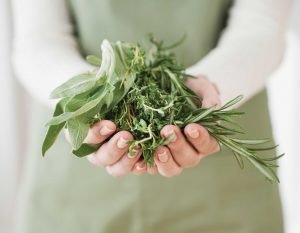
Great Burdock The root is used to treat ‘toxic overload’ that result in throat infections and skin ..