
-
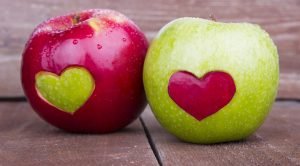
1. Apples Are Nutritious A medium apple is equal to 1.5 cups of fruit. Two cups of fruit daily are recommended ..
-
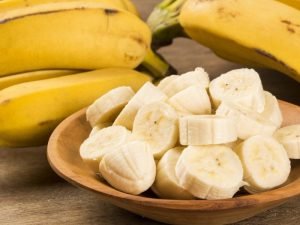
1.Bananas help overcome depression due to high levels of tryptophan, which is converted into serotonin ..
-
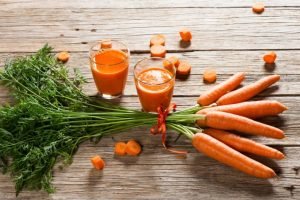
1. Beta carotene: Carrots are a rich source of this powerful antioxidant, which, among other vital uses, ..
-

Tinnitus in the ear can occur due to ear infections, various infections, perforation of the eardrum, ..
-
Comments Off on Pregnancy Calendar – Week 5 of Your Pregnancy

5-week pregnancy “Pregnancy calendar” at week 5: Your baby’s brain is developing. You may feel ..
-
Comments Off on Pregnancy Calendar – Week 4 of Your Pregnancy

4 weeks pregnancy “Pregnancy calendar” at 4th week: A miracle begins! Your baby, now consisting ..
-
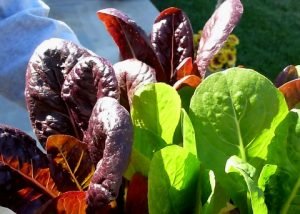
How to recognise iron deficiency and add iron-rich foods
Knowing how to recognise iron deficiency and add more iron-rich foods to your diet can help you respond to early warning signs before they become severe. Low iron may cause tiredness, weakness and breathlessness, but these symptoms can also arise from many other conditions. A food-based approach is useful for prevention and mild insufficiency, while blood tests are important when symptoms persist or the deficit is significant.
Iron is needed to make haemoglobin, the protein that carries oxygen in the blood, and myoglobin in muscles. It also supports enzymes involved in energy production, immune function and cell growth. Iron deficiency means the body's available stores have fallen; anaemia develops when haemoglobin becomes too low. Not everyone with iron deficiency is anaemic, and some people have low iron without obvious symptoms.
Signs that may point to low iron stores
Persistent fatigue is one of the most common symptoms. Tasks that once required little effort may leave you unusually tired, while weakness can make stairs, exercise or household activities feel harder than usual. Shortness of breath, dizziness, headaches and palpitations may occur because the body is struggling to transport oxygen efficiently. These signs are not specific to iron deficiency, especially during sleep disruption, stress or demanding periods.
Other clues include pale skin, inner eyelids or nail beds, frequent infections, mouth ulcers and thinning or shedding hair. Brittle spoon-shaped nails and restless legs, particularly in the evening, can also be associated with low iron. Craving ice, dirt or other non-food items is called pica and can be a strong clue, although it does not confirm the diagnosis on its own. Symptoms may be gradual, making it easy to attribute them to busy weeks or a demanding work schedule.
Iron deficiency is more common in people with heavy menstrual bleeding, during pregnancy, and after surgery or significant blood loss. It may also affect frequent blood donors, people with digestive conditions that reduce nutrient absorption, and those following a restricted diet. Children, older adults and endurance athletes may have higher needs. Seek prompt medical care for chest pain, fainting, severe breathlessness, black or tarry stools, or visible blood in the stool, as these can indicate a more serious problem.
Tests that can confirm iron deficiency
A clinician can usually confirm iron deficiency with a simple blood test rather than relying on symptoms alone. A full blood count measures haemoglobin and the average size of red blood cells. Serum ferritin reflects the body's iron stores, while transferrin saturation shows how much iron is available to carry oxygen. Depending on the circumstances, a clinician may also test vitamin B12, folate or markers of inflammation.
Ferritin is not interpreted in isolation because it can rise when the body is inflamed or infected. Results therefore need to be considered alongside the blood count, medical history and examination. Test values vary with age, pregnancy and laboratory methods, and a mildly low result does not automatically mean an oral iron supplement is required. Anyone concerned about persistent tiredness should ask a general practitioner whether iron studies are appropriate rather than treating a symptom in isolation.
For general questions about the site's published nutrition information, readers can contact Healthy Life Live using the protected email address. Editorial questions are separate from individual diagnosis, so a doctor or accredited dietitian should assess personal symptoms, test results and medical history.
Build an iron-rich plate with familiar foods
Iron comes in two main forms. Haem iron is found in animal foods such as beef, lamb, organ meats and, to a lesser extent, fish and poultry. The body absorbs it more readily than non-haem iron from plants. Non-haem sources include lentils, chickpeas, beans, tofu, tempeh, nuts, seeds, whole grains, leafy vegetables and fortified breakfast cereals. Both types contribute to an adequate intake, especially when plant sources are paired with vitamin C.
Most Woolworths, Coles and ALDI supermarkets stock affordable options such as tinned beans and lentils, eggs, tofu, fortified cereals, wholegrain bread, meat and fish. Independent stores in Sydney, Melbourne, Brisbane and other cities often provide an even wider range of tofu, tempeh, pulses and whole grains. Check the Nutrition Information Panel because iron content differs between products and brands. A label value per 100 grams is useful for comparing foods, while the stated serving size helps determine how much iron a packet or bowl actually provides.
Vegemite is a familiar Australian source of iron and can be useful on wholegrain toast, but it is high in salt and should not be treated as a medicine. Fortified cereals can contribute meaningful iron when eaten as part of a regular breakfast, although some varieties contain much more than others. Australian reference values generally recommend around 8 milligrams of iron daily for adult men, 19 milligrams for menstruating adults and 27 milligrams during pregnancy, but individual needs depend on diet and health status.
Make iron-rich meals easier to absorb
Vitamin C improves the absorption of non-haem iron. Serving lentils with capsicum, broccoli or tomatoes, or adding citrus fruit or kiwi to a fortified cereal, can make the meal more useful. It is also sensible to include some haem iron regularly if it fits your dietary preferences. For a purely plant-based diet, combining different iron sources throughout the day is generally more effective than relying on one supposedly superior food.
Tea and coffee can reduce iron absorption because of their plant compounds, particularly when consumed with an iron-rich meal or supplement. Leaving a gap of an hour or two around iron tablets is a practical option. Ordinary calcium foods do not need to be eliminated, but a separate high-dose calcium supplement may interfere with iron absorption. Similarly, high-dose zinc supplements can compete with iron, so anyone taking several supplements should ask a pharmacist or doctor how to schedule them.
A practical iron checklist for everyday meals:
- Include an iron-rich food at one or more meals each day rather than relying on a single serving.
- Pair lentils, beans, tofu, tempeh or fortified cereal with fresh fruit or vegetables containing vitamin C.
- If you eat red meat, choose a moderate portion that fits your overall diet rather than making one very large meal the only source of iron.
- Keep tea and coffee away from iron-rich meals or iron supplements when timing allows.
- Compare iron content on labels at Woolworths, Coles and ALDI, especially when choosing breakfast cereals.
- Discuss an individual eating or supplementation plan with a general practitioner or accredited dietitian if you are pregnant, menstruating heavily, donating blood regularly or following a restricted diet.
Small, repeatable changes are easier to maintain than trying to eat a “perfect” iron diet every day. A bowl of fortified cereal with kiwi, lentil soup with capsicum, or wholegrain toast with Vegemite and orange can provide useful combinations without special ingredients. If someone is already deficient, dietary improvement may need to be combined with professionally supervised treatment.
Know when medical treatment is needed
Iron deficiency can be a symptom rather than the underlying problem. Heavy periods, gastrointestinal bleeding, coeliac disease, inflammatory bowel conditions and some other disorders may require investigation. Men and postmenopausal women should not assume that unexplained iron deficiency is simply caused by dietary choice. A clinician can assess the cause and decide whether further testing is needed.
Oral iron medicines are effective when a deficiency has been confirmed, but they can cause nausea, constipation or dark stools, and some people cannot tolerate them. Dose and duration should be tailored to the individual. Iron can also interact with medicines such as levothyroxine and some antibiotics, so a pharmacist should review the timing of other medicines. Iron overdose can be dangerous, particularly to children, and tablets should be stored safely away from them.
Regular blood donation can affect iron stores, especially for frequent donors, but Red Cross Lifeblood assesses donations and provides iron-related advice where appropriate. Pregnancy, infancy and adolescence also increase requirements, making early testing valuable. Healthdirect's nurse advice line on 1800 022 222 can provide guidance in most Australian states and territories, while urgent symptoms should be assessed through emergency care. Local-government health information can also help people understand community services; the Brooks County health resources site is one overseas example, although Australian medical care remains the appropriate route for diagnosis and treatment.
-
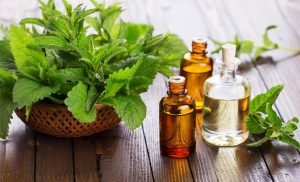
Tea Tree Essential Oil Tea tree oil is often referred to as “medicine cabinet in a bottle,” as it’s ..
-

13 surprising home remedies for acid reflux Before you reach for the heavy-duty, prescription-strength ..
-
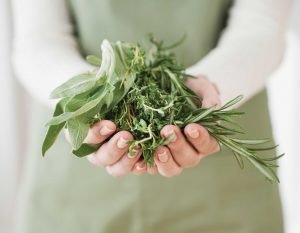
Great Burdock The root is used to treat ‘toxic overload’ that result in throat infections and skin ..