
-
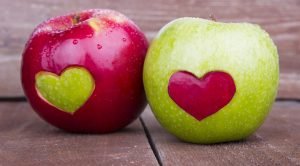
1. Apples Are Nutritious A medium apple is equal to 1.5 cups of fruit. Two cups of fruit daily are recommended ..
-
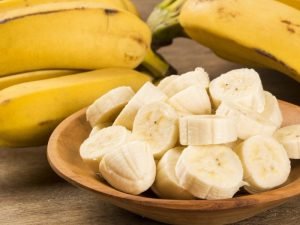
1.Bananas help overcome depression due to high levels of tryptophan, which is converted into serotonin ..
-
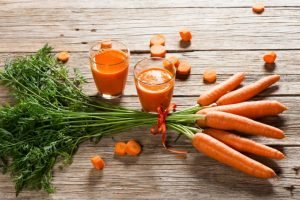
1. Beta carotene: Carrots are a rich source of this powerful antioxidant, which, among other vital uses, ..
-

Tinnitus in the ear can occur due to ear infections, various infections, perforation of the eardrum, ..
-
Comments Off on Pregnancy Calendar – Week 5 of Your Pregnancy

5-week pregnancy “Pregnancy calendar” at week 5: Your baby’s brain is developing. You may feel ..
-
Comments Off on Pregnancy Calendar – Week 4 of Your Pregnancy

4 weeks pregnancy “Pregnancy calendar” at 4th week: A miracle begins! Your baby, now consisting ..
-
How Heat and Herbal Teas Can Ease Menstrual Cramps
Menstrual cramps, also called dysmenorrhea, happen when the uterus contracts to shed its lining. These contractions are influenced by hormone-like substances called prostaglandins. Higher prostaglandin activity can lead to stronger contractions, aching in the lower abdomen, back pain, nausea, diarrhea, or tiredness.
Warmth and caffeine-free herbal drinks can be useful parts of a gentle period-care routine. A heating pad may relax tense muscles and improve comfort, while certain herbs offer soothing fluids and plant compounds that may help with pain or digestive symptoms. Their effects vary, and herbal tea should complement—rather than replace—medical care when cramps are severe or unusual.
The safest approach is to use moderate heat, choose simple teas from reputable sources, and pay attention to how your body responds. Pregnancy, chronic illness, allergies, and prescription medicines can change which remedies are appropriate.
Why Menstrual Cramps Happen
During menstruation, prostaglandins help the uterus contract. These contractions support the release of menstrual blood, but they can temporarily reduce blood flow to the uterine muscle and produce cramping pain. Discomfort commonly begins shortly before bleeding or during the first day and may last for two or three days.
Some people also experience bloating, loose stools, headache, lower-back discomfort, or pain that spreads into the thighs. Rest, gentle movement, hydration, and warmth may help reduce the overall burden of these symptoms. Keeping track of cycle timing and pain intensity can reveal whether a pattern is typical for you or changing over time.
Pain that suddenly becomes much worse, continues well beyond the first few days, or interferes with work, school, sleep, or normal activities deserves medical assessment. Conditions such as endometriosis, adenomyosis, fibroids, pelvic inflammatory disease, or an ovarian cyst can cause period pain that needs more than home care.
Using Heat for Fast, Practical Relief
Heat can relax the abdominal and pelvic muscles and increase local circulation. Place a heating pad, hot-water bottle, or warm compress over the lower abdomen or lower back for about 15 to 20 minutes. Use a comfortable setting rather than the highest temperature, and put a layer of clothing or fabric between the heat source and your skin.
A warm bath or shower may provide broader relaxation when cramps affect the back, hips, and thighs. Gentle stretching after warming up can also ease muscle tension. Positions such as lying on your side with your knees slightly bent or resting with a pillow beneath your knees may reduce pressure on the abdomen.
Avoid falling asleep with an electric heating pad switched on, and check your skin regularly for excessive redness, burning, or irritation. People with reduced sensation, diabetes-related nerve problems, or circulation concerns should ask a healthcare professional about safe heat use. Children and teenagers should use heating devices with adult supervision.
Herbal Teas That May Soothe Period Discomfort
Ginger tea is commonly used for nausea and digestive upset, and small studies suggest ginger may help reduce menstrual pain for some people. Slice fresh ginger into hot water or use a commercially prepared tea. Its flavor can be sharp, so a small amount of lemon or honey may make it easier to drink. Ginger can cause heartburn or stomach irritation in some individuals.
Chamomile tea is naturally caffeine-free and may promote relaxation, which can be helpful when cramps are accompanied by tension or poor sleep. Peppermint tea may feel soothing for bloating, gas, or mild nausea, although it can worsen reflux in some people. Fennel tea is traditionally used for abdominal discomfort, but evidence is limited and product strength varies.
Cinnamon tea and turmeric-based drinks are also used in traditional wellness practices, but research on menstrual pain remains limited. Herbs are not automatically risk-free because they are natural. Concentrated extracts, essential oils, and multi-herb blends can have stronger effects than a normal cup of tea and may interact with medicines.
Comparing Gentle Options for Period Care
The most suitable remedy depends on the symptom, your health history, and how your body reacts. Heat tends to work directly on muscle tension, while tea can add hydration and comfort. Neither option is guaranteed to stop cramps, and evidence for many herbal products is still developing.
Option May help with How to use it carefully Important cautions Heating pad or hot-water bottle Lower-abdominal and back cramps Use moderate warmth for 15–20 minutes with a fabric barrier Avoid burns and do not sleep with electric heat on Warm bath or shower General muscle tension and back discomfort Keep water comfortably warm and avoid dizziness Use extra care if you feel faint or have low blood pressure Ginger tea Cramps, nausea, and digestive discomfort Drink a mild preparation and stop if heartburn occurs Discuss regular use with a clinician if taking blood thinners Chamomile tea Relaxation, tension, and mild digestive upset Choose a caffeine-free tea and follow package directions Avoid if allergic to ragweed-family plants or advised otherwise Peppermint tea Bloating, gas, and nausea Drink a moderate amount after meals if tolerated May aggravate reflux or heartburn Fennel or cinnamon tea Traditional digestive and menstrual support Use occasional, commercially prepared tea Avoid concentrated products and check pregnancy or medication concerns A simple cup of tea is generally less concentrated than a tincture, capsule, or essential oil. Read the ingredient label carefully, especially when a product combines several herbs. “Natural,” “detox,” or “women’s balance” wording does not guarantee effectiveness or safety.
Combining Warmth, Fluids, and Gentle Movement
A practical routine can begin when the first signs of cramping appear. Sip a warm, caffeine-free tea while applying a heating pad to the lower abdomen. After 15 to 20 minutes, try slow walking, pelvic tilts, child’s pose, or gentle lower-back stretches if movement feels comfortable.
Regular fluids may help you feel better when bloating, loose stools, or heavier bleeding contribute to fatigue. Water, broth, and unsweetened herbal tea are useful choices. Limit excessive caffeine if it appears to increase anxiety, breast tenderness, stomach upset, or the sensation of cramping.
Food can affect comfort as well. Small meals containing complex carbohydrates, protein, and healthy fats may be easier to tolerate than very salty or heavily processed foods during a painful period. Magnesium-rich foods such as beans, leafy greens, nuts, seeds, and whole grains support general nutrition, though food alone should not be presented as a guaranteed treatment for menstrual pain.
Safety Checks Before Trying Herbal Remedies
Check with a healthcare professional or qualified pharmacist before using medicinal herbs regularly if you are pregnant, trying to conceive, breastfeeding, or taking prescription medicine. Pregnancy changes the safety profile of many herbs, and a tea traditionally used for menstrual cramps may be inappropriate during pregnancy. A missed period with significant pelvic pain also requires prompt medical advice rather than self-treatment.
Ginger may affect bleeding risk at higher supplemental doses, particularly alongside anticoagulant or antiplatelet medicines. Chamomile can be unsuitable for people with allergies to related plants and may interact with sedating medicines or blood thinners. Peppermint may aggravate gastroesophageal reflux. These concerns do not mean that everyone must avoid these teas, but they make personal context important.
Seek urgent care for sudden severe pelvic pain, fainting, shoulder pain, fever, repeated vomiting, or possible pregnancy with pain or bleeding. Arrange a routine medical visit if cramps are progressively worsening, begin for the first time in adulthood, occur between periods, cause pain during sex, or come with unusually heavy bleeding, infertility concerns, or persistent pelvic pressure.
A Comfortable Routine to Try
Start with one remedy at a time so you can tell what helps and what causes side effects. Keep the heat moderate, choose a familiar single-ingredient tea, and record the timing of your symptoms. This makes it easier to discuss your experience with a healthcare professional if the pattern changes.
- Apply a warm compress or heating pad to the lower abdomen for 15 to 20 minutes.
- Drink a mild cup of ginger, chamomile, or peppermint tea according to your tolerance.
- Take a short walk or perform gentle stretches after the muscles begin to relax.
- Eat a light, nourishing meal and drink enough fluid to avoid dehydration.
- Stop the remedy and seek advice if symptoms become unusual, severe, or persistent.
Home measures are most useful for mild to moderate cramps that follow your usual cycle pattern. If relief is incomplete, a clinician or pharmacist can explain whether an over-the-counter pain reliever is suitable, taking into account stomach problems, kidney disease, asthma triggered by medicines, bleeding disorders, pregnancy, and other health conditions.
Heat and herbal tea can turn a difficult period day into a more manageable one when used thoughtfully. Choose a safe temperature, select uncomplicated products, and treat worsening or disabling pain as a reason for evaluation. Keep a record of symptoms across several cycles and share it with a healthcare professional to identify the most appropriate long-term support.
-
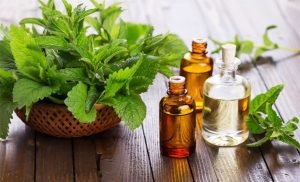
Tea Tree Essential Oil Tea tree oil is often referred to as “medicine cabinet in a bottle,” as it’s ..
-

13 surprising home remedies for acid reflux Before you reach for the heavy-duty, prescription-strength ..
-
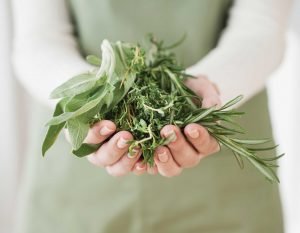
Great Burdock The root is used to treat ‘toxic overload’ that result in throat infections and skin ..