
-

1. Apples Are Nutritious A medium apple is equal to 1.5 cups of fruit. Two cups of fruit daily are recommended ..
-
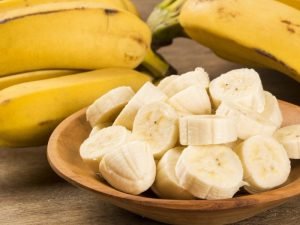
1.Bananas help overcome depression due to high levels of tryptophan, which is converted into serotonin ..
-
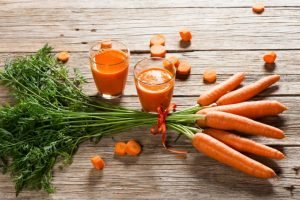
1. Beta carotene: Carrots are a rich source of this powerful antioxidant, which, among other vital uses, ..
-

Tinnitus in the ear can occur due to ear infections, various infections, perforation of the eardrum, ..
-
Comments Off on Pregnancy Calendar – Week 5 of Your Pregnancy

5-week pregnancy “Pregnancy calendar” at week 5: Your baby’s brain is developing. You may feel ..
-
Comments Off on Pregnancy Calendar – Week 4 of Your Pregnancy

4 weeks pregnancy “Pregnancy calendar” at 4th week: A miracle begins! Your baby, now consisting ..
-

How to Spot and Avoid Hidden Sodium in Packaged Foods
Sodium is an essential mineral that helps regulate fluid balance, support nerve signals, and keep muscles working. The body needs some sodium each day, but many people consume far more than necessary through packaged meals, snacks, sauces, and restaurant-style foods. Much of it comes from products that do not taste especially salty.
Hidden sodium can appear in foods marketed as healthy, natural, or convenient. Bread, breakfast cereal, canned vegetables, deli meat, cheese, salad dressing, and even some sweet foods may contain significant amounts. Learning how to read nutrition labels and recognize common sodium ingredients makes it easier to reduce intake without giving up convenience.
For most adults, the Dietary Guidelines for Americans recommend limiting sodium to less than 2,300 milligrams per day. People with high blood pressure, kidney disease, heart failure, or other medical conditions may receive a lower target from a healthcare professional. Individual needs vary, so dietary changes should fit personal health advice.
Why Sodium Can Be Difficult To Notice
Salt is the familiar name for sodium chloride, but sodium enters packaged foods through many different ingredients. Manufacturers may use it to preserve food, improve texture, control fermentation, balance flavor, or extend shelf life. A product can therefore contain substantial sodium even when it does not taste strongly salty.
Sweet foods are a good example. Packaged muffins, cookies, instant oatmeal, breakfast bars, and flavored yogurt may contain sodium from baking soda, baking powder, preservatives, or flavoring blends. The sweetness can mask the salty taste, making it difficult to judge sodium content by flavor alone.
Serving size also affects perception. A soup label may list sodium for one cup even though the container holds two servings. Eating the entire package doubles the listed amount. Single-serve snack bags, frozen entrées, and instant noodle cups can have similar label traps, especially when the portion seems small.
Read The Nutrition Facts Panel Carefully
The Nutrition Facts panel is the most reliable way to check sodium in packaged food. Start with the serving size, then note how many servings are in the package. Multiply the sodium amount by the number of servings you expect to eat. This simple calculation reveals the actual sodium load of a meal or snack.
The percent Daily Value helps compare products. As a general guide, 5% Daily Value or less per serving is considered low, while 20% or more is high. These percentages are based on a daily limit of 2,300 milligrams. A product with 25% Daily Value may seem moderate, but several such foods eaten in one day can quickly use up the recommended limit.
Look at the sodium line rather than relying on claims on the front of the package. Words such as “wholesome,” “natural,” “light,” or “heart healthy” do not automatically mean low sodium. A food labeled “reduced sodium” may still contain a considerable amount; the term generally means the product has at least 25% less sodium than its regular version, not that it is low in sodium.
Recognize Common Sodium Ingredients
Checking the ingredient list can help explain where sodium comes from. Salt may appear under several names, including sodium chloride, sea salt, fleur de sel, and Himalayan pink salt. These varieties may differ in texture or trace minerals, but they still contribute sodium and should not be treated as sodium-free alternatives.
Other ingredients include monosodium glutamate, or MSG, sodium bicarbonate, sodium citrate, sodium benzoate, sodium nitrite, and sodium phosphate. Disodium inosinate and disodium guanylate are flavor enhancers often used alongside MSG. Ingredients with “sodium” in the name deserve attention, although the Nutrition Facts panel remains the best measure of the total amount.
Preserved meats frequently contain sodium nitrite or sodium nitrate, while breads and baked goods may use sodium bicarbonate or baking powder. Canned foods may contain added salt or sodium-based preservatives. Several small sources can add up when a meal includes bread, cheese, a sauce, and processed meat.
Packaged food Common sodium sources Lower-sodium choice Canned soup Salt, broth, monosodium glutamate No-salt-added soup or homemade soup Deli meat Sodium nitrite, brine, curing salt Fresh roasted poultry or low-sodium slices Bread and rolls Salt, baking soda, baking powder Compare brands and choose lower-sodium bread Pasta sauce Salt, cheese, seasoning blends No-salt-added sauce with herbs Frozen dinner Sauces, preservatives, processed ingredients Plain frozen vegetables with fresh protein Canned beans Added salt and brine No-salt-added beans, rinsed before use Snack crackers Salt, leavening agents, flavor powders Unsalted nuts, fruit, or plain popcorn Foods That Often Carry Extra Sodium
Packaged soups, instant noodles, frozen dinners, boxed rice mixes, and canned pasta are among the most concentrated sources. Their convenience comes from pre-seasoned sauces, broths, flavor packets, and preservatives. Eating one entrée may provide a large portion of the day’s sodium before side dishes or snacks are added.
Processed meats deserve special attention. Bacon, ham, sausage, hot dogs, pepperoni, jerky, and deli slices are commonly cured or packed in salty brines. Smoked meats can also contain significant sodium. Choosing fresh chicken, fish, eggs, beans, lentils, or unprocessed lean meat more often can reduce sodium without reducing protein.
Condiments are easy to overlook because they are used in small amounts. Soy sauce, teriyaki sauce, barbecue sauce, ketchup, mustard, bottled salad dressing, gravy, salsa, and seasoning packets may contribute more sodium than expected. A tablespoon or two can turn an otherwise balanced meal into a high-sodium dish.
Canned vegetables and beans vary widely. Some contain only the food and water, while others are packed with salt. Look for “no salt added” or “low sodium” versions, and drain and rinse regular canned beans and vegetables. Rinsing can remove some surface sodium, although it does not eliminate all of it.
Make Lower-Sodium Shopping Choices
Reducing sodium does not require avoiding every packaged food. The most useful approach is to compare similar products and choose the one with less sodium per serving. Check competing brands of bread, broth, cereal, cheese, pasta sauce, and canned foods because differences can be substantial.
Use these practical shopping habits:
- Choose fresh or frozen vegetables without sauces, seasoning packets, or added salt.
- Select canned beans, tomatoes, tuna, and vegetables labeled “no salt added” when available.
- Compare sodium per serving across brands, then check whether the serving size is realistic.
- Buy plain grains, oats, rice, and pasta instead of flavored instant varieties.
- Keep low-sodium snacks available, such as unsalted nuts, fresh fruit, yogurt, or air-popped popcorn.
Front-of-package claims can be useful starting points, but they should never replace the Nutrition Facts panel. “Sodium-free” generally means the product contains less than 5 milligrams per serving, while “very low sodium” means 35 milligrams or less per serving. “Low sodium” means 140 milligrams or less per serving. Always consider how much you actually eat.
When choosing lower-sodium foods, watch for tradeoffs. A reduced-sodium product may contain more sugar or saturated fat to maintain flavor, or it may be more expensive. Compare the complete label and choose the product that best fits the overall meal and your dietary needs.
Cook For Flavor Without Extra Salt
Home cooking makes sodium easier to control because you decide how much salt, broth, sauce, and seasoning to use. Start with basic ingredients such as vegetables, fruit, whole grains, unsalted nuts, legumes, eggs, and fresh or frozen meat and fish. These foods are naturally low in sodium unless salt or a salty sauce is added during preparation.
Build flavor with garlic, onion, ginger, black pepper, paprika, cumin, turmeric, chili, rosemary, thyme, basil, cilantro, vinegar, and citrus juice. Toasting spices or roasting vegetables can deepen flavor without relying on salt. Unsalted stock, homemade dressings, and no-salt-added canned goods are useful substitutes for high-sodium packaged ingredients.
Reduce salt gradually rather than trying to remove it all at once. Taste food near the end of cooking, when the flavors are developed, and add only what is needed. A squeeze of lemon or a splash of vinegar can make a dish taste brighter, which may reduce the desire for additional salt.
Some salt substitutes use potassium chloride instead of sodium chloride. They are not appropriate for everyone, particularly people with kidney disease or those taking certain medicines that affect potassium. Ask a healthcare professional before using them regularly.
Build A Sustainable Sodium-Aware Routine
A single high-sodium meal is less important than the pattern repeated across days and weeks. Review the foods you eat most often and identify the biggest sources first. Replacing a daily processed meat sandwich, instant noodle lunch, or salty snack may have a greater effect than scrutinizing occasional foods.
Keep a simple record for several days by writing down packaged foods, restaurant meals, condiments, and snacks. This can reveal sodium sources that are easy to miss, especially sauces, cheese, bread, and convenience foods. The record does not need to be perfect; its purpose is to show patterns that can guide practical changes.
People with high blood pressure may benefit from a broader eating pattern rich in fruits, vegetables, beans, whole grains, nuts, and low-fat dairy, such as the DASH eating plan. These foods provide potassium, magnesium, fiber, and other nutrients while helping replace heavily processed choices. Anyone with kidney, heart, or blood pressure concerns should discuss sodium and potassium goals with a qualified healthcare professional.
Make label reading a routine part of grocery shopping. Over time, sodium amounts become easier to recognize, and lower-sodium choices require less effort. Small changes—using half a seasoning packet, rinsing canned foods, choosing fresh proteins, or serving sauce on the side—can meaningfully lower total intake.
Use the Nutrition Facts panel on your next grocery trip and compare two similar products. Choose the option with less sodium, then gradually replace the highest-sodium items in your regular meals. Consistent label awareness and simple ingredient swaps can help protect heart health while keeping food flavorful and satisfying.
-

Tea Tree Essential Oil Tea tree oil is often referred to as “medicine cabinet in a bottle,” as it’s ..
-

13 surprising home remedies for acid reflux Before you reach for the heavy-duty, prescription-strength ..
-

Great Burdock The root is used to treat ‘toxic overload’ that result in throat infections and skin ..