
-

1. Apples Are Nutritious A medium apple is equal to 1.5 cups of fruit. Two cups of fruit daily are recommended ..
-
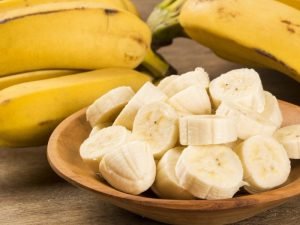
1.Bananas help overcome depression due to high levels of tryptophan, which is converted into serotonin ..
-
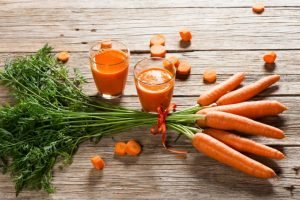
1. Beta carotene: Carrots are a rich source of this powerful antioxidant, which, among other vital uses, ..
-

Tinnitus in the ear can occur due to ear infections, various infections, perforation of the eardrum, ..
-
Comments Off on Pregnancy Calendar – Week 5 of Your Pregnancy

5-week pregnancy “Pregnancy calendar” at week 5: Your baby’s brain is developing. You may feel ..
-
Comments Off on Pregnancy Calendar – Week 4 of Your Pregnancy

4 weeks pregnancy “Pregnancy calendar” at 4th week: A miracle begins! Your baby, now consisting ..
-

How Women Can Spot and Treat Nutrient Deficiencies
Nutrient deficiencies can develop slowly, often without a clear warning. Tiredness, headaches, changes in hair or skin, muscle cramps, poor concentration and frequent illness may have many causes, including stress, disrupted sleep or an underlying medical condition. In some cases, however, these symptoms reflect low levels of iron, vitamin B12, folate, vitamin D, iodine or another essential nutrient.
Women may face particular risks at different stages of life. Heavy menstrual bleeding can reduce iron stores, pregnancy increases the need for folate and iodine, and breastfeeding changes nutritional requirements again. Restrictive diets, digestive disorders, weight-loss surgery and medicines that affect absorption can also make deficiencies more likely.
Food is usually the best place to begin. A varied eating pattern that includes vegetables, fruit, legumes, wholegrains, dairy or calcium-fortified alternatives, eggs, seafood, meat or suitable plant proteins can provide most nutrients. Australian dietary guidance also encourages choosing minimally processed foods and limiting products high in added sugar, salt and saturated fat.
Symptoms alone cannot confirm a deficiency. A general practitioner can review your health history, diet, medicines and menstrual pattern, then arrange blood tests when appropriate. This is especially important during pregnancy, when planning a pregnancy, or when symptoms are persistent, severe or getting worse.
Why Women Develop Nutrient Deficiencies
Iron deficiency is common in women who menstruate, particularly when periods are heavy or prolonged. Pregnancy, recent childbirth and frequent blood donation can increase demand. People who avoid meat may still meet their needs, but they need reliable sources of plant-based iron and foods containing vitamin C to support absorption.
Low intake is only one possible explanation. Coeliac disease, inflammatory bowel disease, chronic diarrhoea, gastrointestinal surgery and some medicines can interfere with nutrient absorption. Conditions affecting the thyroid, kidneys or liver may cause symptoms that resemble a nutritional problem, so self-treatment can delay the right diagnosis.
Life in Australia can also shape risk. Many people in Sydney, Melbourne, Brisbane and other cities spend much of the day indoors, commuting or working in offices. Sun exposure may be limited by indoor routines, darker skin, covering clothing or careful UV protection, creating a complicated balance between vitamin D needs and protection from skin cancer.
Iron Deficiency And Anaemia
Low iron stores may cause fatigue, reduced exercise tolerance, dizziness, headaches, pale skin, shortness of breath or a racing heartbeat. Hair shedding, brittle nails, restless legs and cravings for ice or non-food substances can also occur. These signs may appear before iron-deficiency anaemia develops, so a normal haemoglobin result does not always mean iron stores are optimal.
A GP may request a full blood count and ferritin test, along with other tests based on your symptoms. Ferritin can be affected by inflammation, and results need to be interpreted in context. Heavy menstrual bleeding, stomach or bowel bleeding, dietary intake and pregnancy should all be considered rather than assuming that every case is caused by an inadequate diet.
Iron-rich foods include red meat, chicken, fish, lentils, beans, tofu, eggs, spinach and iron-fortified cereals. Plant sources provide non-haem iron, which is absorbed less efficiently, so combine them with tomatoes, capsicum, citrus fruit, berries or other vitamin C foods. Tea and coffee can reduce iron absorption when consumed with meals, so leaving a gap may help.
Iron tablets should be used with professional advice because excessive iron can be harmful and may conceal ongoing blood loss. Treatment often continues after haemoglobin improves to rebuild iron stores. If periods are unusually heavy, treating the bleeding may be as important as replacing the nutrient.
B12 And Folate For Blood And Nerve Health
Vitamin B12 deficiency can cause tiredness, numbness, pins and needles, balance problems, a sore tongue, memory changes or mood changes. Nerve symptoms may become permanent if treatment is delayed. People following a vegan diet are at particular risk because reliable natural B12 sources are mainly animal foods, although fortified plant milks, breakfast cereals and nutritional yeast may help.
Older adults, people with digestive conditions and those taking metformin or acid-suppressing medicines may absorb less B12. A GP may order B12, folate, blood count and related tests. A borderline result sometimes needs further investigation rather than an immediate assumption that supplements are required.
Folate is vital for cell division and early fetal development. Anyone who could become pregnant should discuss folic acid with a healthcare professional before conception and during early pregnancy. Australian pregnancy guidance commonly recommends a daily folic acid supplement, with a higher dose for some women at increased risk; the appropriate dose must be prescribed or confirmed by a clinician.
Australia requires folic acid fortification in many non-organic wheat flour products used for bread-making, and iodine fortification is also used in bread-making salt. These policies reduce population-wide risk, but they do not replace personalised advice. Organic bread, gluten-free products and some specialty foods may not contain the same fortification.
Vitamin D, Calcium And Bone Strength
Vitamin D helps the body absorb calcium and supports muscles, bones and immune function. Deficiency may be associated with bone pain, muscle weakness or a greater risk of falls, although many people have no obvious symptoms. Risk is higher with limited sun exposure, darker skin, covering clothing, malabsorption or conditions affecting the liver or kidneys.
Vitamin D testing is not necessary for everyone. A doctor may recommend it when symptoms or risk factors are present, and results can guide treatment. Safe sun exposure depends on location, season, skin type and the UV Index; Australian sun protection advice remains important because ultraviolet radiation can damage skin and increase skin cancer risk.
Calcium is found in milk, yoghurt, cheese, calcium-set tofu, canned fish with edible bones, and some fortified plant milks. Check the label because not every plant-based drink contains enough calcium. Weight-bearing exercise, resistance training, adequate protein and avoiding smoking also support bone health.
High-dose vitamin D or calcium supplements are not automatically safer or more effective. Excessive intake can cause kidney problems and other complications, while calcium supplements may interact with some medicines. A pharmacist or doctor can check the dose, timing and need for supplementation.
Iodine, Zinc And Other Important Nutrients
Iodine is needed to make thyroid hormones. Low iodine intake may contribute to an enlarged thyroid or impaired thyroid function, and requirements rise during pregnancy. Seafood, dairy products, eggs and iodised salt provide iodine. Seaweed products can contain highly variable amounts, so frequent or concentrated use may supply too much.
Zinc supports immunity, wound healing, taste, reproductive health and normal growth. Meat, seafood, dairy, eggs, legumes, nuts and seeds contain zinc. Plant foods also contain phytates, which can reduce absorption, although soaking, fermenting or cooking legumes and grains improves their nutritional availability.
Magnesium deficiency from diet alone is uncommon in healthy people, but gastrointestinal illness, alcohol dependence and certain medicines can increase risk. Muscle cramps or twitching are not specific signs and may have many causes. Potassium, selenium and vitamin A deficiencies are also possible, but indiscriminate supplementation can be dangerous, particularly for selenium, vitamin A and potassium.
A balanced diet is usually more useful than a large “women’s wellness” supplement. Products marketed for hair, energy or hormonal balance may contain overlapping ingredients and unproven herbal compounds. Read the nutrition panel and active ingredient amounts rather than relying on advertising claims.
Recognising Symptoms And Getting Tested
Keep a brief record of symptoms, diet changes, menstrual bleeding, pregnancy status, bowel symptoms and medicines. Note whether fatigue began after an illness, a change in eating pattern or increased bleeding. This information helps a clinician distinguish a possible nutrient deficiency from thyroid disease, diabetes, sleep problems, depression, infection or another condition.
Blood tests may include a full blood count, ferritin, B12, folate, thyroid markers, vitamin D or tests for coeliac disease. The selection depends on the individual situation. Taking supplements immediately before testing can alter results, so tell the doctor about every tablet, powder, injection and herbal product.
Women who are pregnant, trying to conceive, breastfeeding, experiencing heavy menstrual bleeding or following a strict vegan diet should arrange tailored advice. Aboriginal and Torres Strait Islander women may benefit from culturally safe care through an Aboriginal Community Controlled Health Service or a GP familiar with local community needs.
Seek prompt medical attention for chest pain, fainting, severe breathlessness, black or bloody stools, sudden neurological symptoms, extreme weakness or rapid unexplained weight loss. These signs should not be managed with supplements at home.
Treating Deficiencies Safely
Treatment depends on the nutrient, the severity of the deficiency and the underlying cause. Mild dietary insufficiency may improve through meal planning, while confirmed iron, B12, folate or vitamin D deficiency may require a therapeutic supplement. Severe deficiency, poor absorption or significant symptoms can require injections or specialist care.
In Australia, medicines and many therapeutic supplements are regulated by the Therapeutic Goods Administration. Look for an Australian Register of Therapeutic Goods number when relevant, but remember that registration does not guarantee a product is suitable for your personal circumstances. A pharmacist can help compare formulations and identify interactions.
Do not take iron simply because you feel tired, and do not combine several multivitamins without checking their ingredients. Iron can be toxic in excess, vitamin A can harm a developing fetus at high doses, and supplements may interfere with thyroid medicines, antibiotics, blood thinners and other treatments.
Practical food and care steps include:
- Include a protein source and several different-coloured vegetables at most main meals.
- Pair lentils, beans, tofu or iron-fortified cereals with a vitamin C food.
- Choose dairy or calcium-fortified alternatives regularly, checking Australian nutrition labels.
- Discuss folic acid, iodine and other pregnancy supplements before conception or as soon as pregnancy is confirmed.
- Ask a GP about testing when fatigue, hair loss, numbness, heavy periods or digestive symptoms persist.
- Review supplements with a pharmacist, especially when taking prescription medicines or multiple products.
Preventing Deficiencies Through Everyday Habits
Prevention starts with variety rather than perfection. Rotate foods across the week, include legumes and wholegrains, and use seafood, eggs, dairy or fortified alternatives according to your dietary pattern. People eating vegan or highly restricted diets may need a dependable B12 supplement and professional guidance for iron, iodine, calcium, zinc and omega-3 intake.
Meal planning can be practical in Australia’s busy routines. Frozen vegetables, canned beans, tinned salmon, fortified plant milks and seasonal produce from local supermarkets or farmers’ markets can be affordable options. Check storage and use-by dates, and compare nutrition panels because similar-looking products can differ substantially in fortification.
Regular GP check-ups are worthwhile when risk factors change, such as starting a restrictive diet, becoming pregnant, developing heavier periods or undergoing gastrointestinal surgery. Addressing the cause of a deficiency reduces the chance of repeated treatment and helps ensure that symptoms are not attributed to nutrition when another health problem is present.
Nutrient needs change across adolescence, menstruation, pregnancy, breastfeeding, perimenopause and older age. Recognising those transitions, seeking testing when appropriate and using targeted treatment can protect energy levels, blood health, nerve function and bone strength without relying on unnecessary high-dose supplements.
-
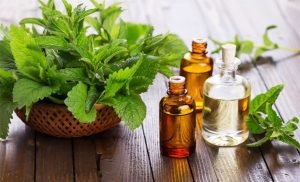
Tea Tree Essential Oil Tea tree oil is often referred to as “medicine cabinet in a bottle,” as it’s ..
-

13 surprising home remedies for acid reflux Before you reach for the heavy-duty, prescription-strength ..
-

Great Burdock The root is used to treat ‘toxic overload’ that result in throat infections and skin ..