
-
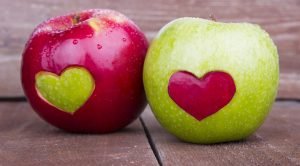
1. Apples Are Nutritious A medium apple is equal to 1.5 cups of fruit. Two cups of fruit daily are recommended ..
-
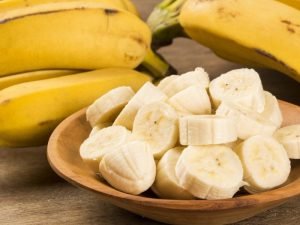
1.Bananas help overcome depression due to high levels of tryptophan, which is converted into serotonin ..
-
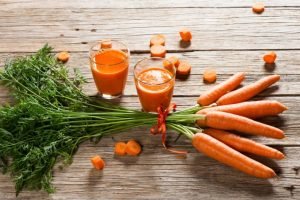
1. Beta carotene: Carrots are a rich source of this powerful antioxidant, which, among other vital uses, ..
-

Tinnitus in the ear can occur due to ear infections, various infections, perforation of the eardrum, ..
-
Comments Off on Pregnancy Calendar – Week 5 of Your Pregnancy

5-week pregnancy “Pregnancy calendar” at week 5: Your baby’s brain is developing. You may feel ..
-
Comments Off on Pregnancy Calendar – Week 4 of Your Pregnancy

4 weeks pregnancy “Pregnancy calendar” at 4th week: A miracle begins! Your baby, now consisting ..
-
How to Stay Hydrated During Hot Weather Without Sugary Drinks
Hot weather increases fluid loss through sweat, faster breathing and increased circulation near the skin. You may need more water than usual even when you are not exercising, particularly during a humid Queensland afternoon, a long commute across Sydney or a dry, windy day in Adelaide. Thirst is useful, but it can lag behind your body’s needs, so regular drinking works better than waiting until your mouth feels dry.
Staying hydrated does not require soft drinks, energy drinks or heavily sweetened sports beverages. Plain tap water, sparkling water, milk, unsweetened tea, soups and water-rich produce can all contribute to daily fluid intake. A practical plan also considers salt replacement during prolonged sweating, medical conditions, pregnancy, age and the availability of safe drinking water.
Understand what your body loses in the heat
Sweat is mostly water, but it also contains electrolytes, especially sodium and chloride. For ordinary daily activities, meals usually provide enough sodium to replace small losses. A glass of water with lunch, a bottle kept beside your desk and extra fluids around outdoor activities are generally sufficient for most healthy adults.
Heat exposure becomes more demanding when you are working outdoors, training, hiking or spending hours at the beach. Heavy clothing, high humidity and direct sun can prevent sweat from evaporating efficiently. Humid conditions around Brisbane or Darwin may feel especially draining, while dry inland heat can cause substantial fluid loss before you notice how much you have sweated.
Urine colour can offer a rough guide. Pale straw-coloured urine often suggests reasonable hydration, while consistently dark yellow urine may indicate that you need more fluid. This is not a perfect test because supplements, some medicines and certain foods can change urine colour. Frequent urination that is completely clear, especially alongside nausea or headache, may mean you are drinking more than necessary.
People with kidney disease, heart failure, liver disease or a prescribed fluid restriction should follow their clinician’s instructions rather than applying general hydration advice. Older adults may have a weaker thirst response, and young children can become dehydrated quickly. Pregnancy and breastfeeding also increase the importance of regular fluids, although individual needs vary.
Use water-rich foods to support fluid intake
Food can provide a meaningful share of your daily water, particularly when hot weather reduces your appetite for heavy meals. Fruit, vegetables, yoghurt, milk and broth contain both fluid and useful nutrients. They can make hydration feel easier for people who dislike drinking large amounts of plain water.
A simple Australian summer plate might include watermelon, oranges, tomatoes, cucumber, leafy greens and a bean or chicken salad. Seasonal produce from a local market can be more appealing than packaged snacks during a heatwave, and it contributes fibre, potassium and vitamins as well as moisture. Frozen grapes, berries or sliced mango can also be refreshing without added sugar.
The following foods are practical choices for hot days:
- Watermelon, rockmelon, strawberries, oranges and peaches
- Cucumber, lettuce, tomatoes, celery and zucchini
- Plain yoghurt with fruit and unsalted nuts
- Vegetable soup, gazpacho or a light noodle broth
- Chia pudding made with unsweetened milk
- Homemade ice blocks made from blended fruit and water
Water-rich foods should support, rather than completely replace, drinking fluids. Fruit juice and large portions of dried fruit contain concentrated natural sugars and are less hydrating as everyday drinks than whole fruit and water. Canned fruit can work well when packed in juice or water, but check the label for added syrup.
The nutrition and plant-based guidance at Healthy Life Live can provide broader ideas for using fruit, vegetables and simple foods in a balanced routine. Hydration is easier to maintain when meals are regular and enjoyable, rather than treated as a separate task.
Make unsweetened drinks easier to choose
Plain tap water is usually the simplest and least expensive option. In Australian cities, drinking water is treated and routinely monitored, although local advice should be followed during a supply issue or after an official water-quality alert. Carrying a reusable bottle helps when walking, commuting or waiting for public transport, and many workplaces, gyms and public facilities provide refill points.
Temperature and flavour can make a difference. Keep a bottle chilled in the refrigerator, add lemon or lime slices, or infuse water with mint, berries, ginger or cucumber. These additions provide flavour without turning the drink into a sugary beverage. Unsweetened sparkling water is another option, although people with reflux or bloating may prefer still water.
Useful alternatives include:
- Plain or sparkling water with citrus or fresh herbs
- Unsweetened black, green or herbal tea served hot or chilled
- Reduced-fat or full-cream milk, depending on dietary needs
- Water mixed with a small amount of unsweetened cordial alternative
- Homemade iced tea without sugar or sweetened syrups
- Oral rehydration solution used according to the packet directions when medically appropriate
Read labels carefully when shopping. A drink marketed as “natural”, “botanical” or “vitamin enhanced” may still contain substantial sugar. In Australia, the Health Star Rating on packaged products is a voluntary front-of-pack scheme, not a guarantee that a beverage is suitable for frequent consumption. The nutrition information panel and ingredients list show whether sugar, glucose syrup, honey or fruit concentrate has been added.
Caffeine in tea and coffee still contributes to fluid intake for most people, although very large amounts may cause palpitations, anxiety or sleep disruption. Energy drinks are a poor hydration strategy because they may combine high caffeine with sugar and other stimulants. Children, adolescents and pregnant people should be particularly cautious with caffeinated drinks.
Match your plan to Australian heat and activity
On a normal summer day, drink steadily rather than consuming a large quantity all at once. Have water with meals, take several sips during the morning and afternoon, and keep a bottle accessible in the car or at work. Never leave a plastic bottle or other drink sitting in a hot vehicle for long periods; refill a clean bottle from a cool source when possible.
Before outdoor exercise, begin well hydrated and avoid relying on thirst alone. During a short walk or ordinary gym session, water is usually enough. For longer sessions, heavy sweating or activity lasting around an hour or more, a drink containing electrolytes may be useful. Choose a lower-sugar option where available, or use an oral rehydration product made for a specific purpose rather than treating every workout as an endurance event.
Sports drinks are formulated for some prolonged, intense activities, but they can add considerable sugar and energy during routine exercise. Coconut water also contains natural sugar and may not provide enough sodium for heavy sweat loss. A balanced meal, water and a small salty snack can be more practical after moderate activity.
Plan around Australia’s climate instead of relying on willpower. Walk early in Melbourne’s summer, use shade during the hottest part of a Perth afternoon, and take extra breaks in humid northern regions. Check heatwave warnings, wear light clothing and use air-conditioned or cooled public spaces when needed. Outdoor workers should have access to cool drinking water, rest breaks and appropriate heat-management procedures under workplace safety requirements.
Pack drinks and food for beach trips, sporting events and bushwalks. Do not assume a remote track or regional venue will have a reliable refill station. In hot conditions, an insulated bottle can keep water cool for many hours, which often makes drinking more appealing than warm liquid.
Recognise dehydration and when water is not enough
Mild dehydration can cause thirst, dry lips, headache, tiredness, dizziness, constipation and reduced concentration. If these symptoms appear after time in the heat, move to a cooler place, loosen unnecessary clothing and sip water gradually. Resting in shade or air conditioning is as important as replacing fluid.
Heat exhaustion may involve heavy sweating, weakness, nausea, muscle cramps, headache, clammy skin and faintness. Cool the person with wet cloths, fans or a cool shower, and provide small sips of water if they are alert and able to swallow. If symptoms are severe, persistent or worsening, seek urgent medical assistance.
Confusion, collapse, seizures, loss of consciousness or very hot skin can signal heatstroke, which is a medical emergency. Call Triple Zero (000), move the person to a cool area and begin active cooling while waiting for help. Do not force fluids into someone who is confused, unconscious or unable to swallow safely.
Plain water is not always the right treatment for fluid loss caused by vomiting or diarrhoea. Oral rehydration solutions contain carefully balanced glucose and electrolytes that help the intestine absorb fluid. Use products from a pharmacy according to the directions, especially for children, older adults and pregnant people. Soft drinks, undiluted juice and homemade mixtures with guessed quantities of salt can worsen diarrhoea or provide an unsafe electrolyte balance.
Excessive water intake can also be harmful. Drinking very large volumes quickly may dilute blood sodium, causing headache, nausea, confusion or seizures. Hydration should be steady and guided by thirst, sweat loss, the weather and your health needs—not by a goal to keep drinking continuously. A balanced approach supports the body through Australian summers without making sugary drinks part of the routine.
-
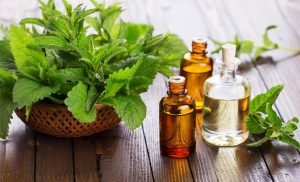
Tea Tree Essential Oil Tea tree oil is often referred to as “medicine cabinet in a bottle,” as it’s ..
-

13 surprising home remedies for acid reflux Before you reach for the heavy-duty, prescription-strength ..
-

Great Burdock The root is used to treat ‘toxic overload’ that result in throat infections and skin ..