
-

1. Apples Are Nutritious A medium apple is equal to 1.5 cups of fruit. Two cups of fruit daily are recommended ..
-
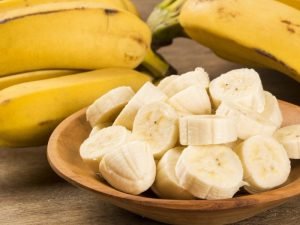
1.Bananas help overcome depression due to high levels of tryptophan, which is converted into serotonin ..
-
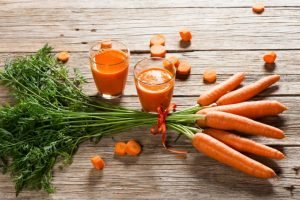
1. Beta carotene: Carrots are a rich source of this powerful antioxidant, which, among other vital uses, ..
-

Tinnitus in the ear can occur due to ear infections, various infections, perforation of the eardrum, ..
-
Comments Off on Pregnancy Calendar – Week 5 of Your Pregnancy

5-week pregnancy “Pregnancy calendar” at week 5: Your baby’s brain is developing. You may feel ..
-
Comments Off on Pregnancy Calendar – Week 4 of Your Pregnancy

4 weeks pregnancy “Pregnancy calendar” at 4th week: A miracle begins! Your baby, now consisting ..
-
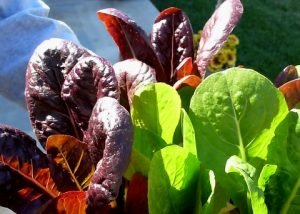
Staying hydrated when plain water just won't do
For many Australians, the daily hydration target feels like an unreachable finish line. The advice to "just drink more water" sounds simple, but anyone who has forced down a tenth glass of lukewarm tap water knows the reality: plain H2O can be boring, tasteless, and easy to forget. During a long shift in a Brisbane warehouse, a humid commute through Sydney's eastern suburbs, or a Saturday training session on the MCG turf, water is rarely the first thing people reach for.
The good news is that hydration has many doors. Soups, fruit, herbal infusions, sparkling varieties, and mineral blends all count toward fluid intake, and the Australian Dietary Guidelines recognise water from food and beverages alike. With a few flavour tweaks and practical habits, staying hydrated becomes a pleasure rather than a chore.
Why plain water sometimes falls flat
Tap water in Australia is generally among the safest in the world, governed by the Australian Drinking Water Guidelines published by the National Health and Medical Research Council. Safety and appeal, however, are two different things. Some people find the chlorine notes off-putting, while others simply crave variety after decades of the same routine. Neither complaint is a character flaw; it is a sensory signal that something needs to change.
Hydration itself is non-negotiable. Water regulates body temperature, cushions joints, carries nutrients through the bloodstream, and helps the kidneys flush waste. In a country where summer temperatures regularly climb above 40°C in places like Adelaide and Marble Bar, even mild dehydration can trigger headaches, fatigue, and brain fog. The body does not care whether the fluid comes from a glass, a watermelon slice, or a cup of peppermint tea. It cares about the volume and the electrolyte balance.
Recognising personal taste is the first step toward consistent intake. Research from the CSIRO and several Australian universities suggests that people who flavour their water or pair fluid with meals drink up to a litre more per day than those who try to gulp plain glasses on a schedule. That single insight reshapes the entire approach: hydration is about finding your rhythm, not following a rule.
Fruit-infused water and sparkling alternatives
Infusing water is the simplest way to make hydration feel like a treat rather than a task. Slices of cucumber, strawberries, or fresh mint transform a boring jug into the centrepiece of a kitchen bench. Australian summers lend themselves to citrus, with lemons from the backyard tree, limes from the Sunday market, and the occasional wedge of finger lime adding native flair. Chilling the jug overnight allows the flavours to bloom, and the visual reminder on the counter does half the persuasion work.
Sparkling water has grown enormously in Australia, with brands like Mount Franklin, Pump, and a wave of smaller craft producers offering plain, lime, blood orange, and berry variations. The fizziness mimics the sensation of soft drink without the sugar load, and for people weaning off sugary drinks, it bridges the gap effectively. A soda stream machine on the kitchen counter is a common sight in Melbourne flats and Perth share houses, turning tap water into something guests willingly reach for.
For those who want a faster flavour punch, frozen fruit cubes work wonders. Berries, pineapple chunks, or peeled ginger dropped into an ice tray with a splash of juice freeze into beautiful flavour bombs. Pop one into a glass of still or sparkling water and the ice slowly releases colour and taste, turning an afternoon pick-me-up into a small ritual. This trick travels well to picnics at Bondi or backyard barbecues in Geelong.
Easy flavour combos to try
- Cucumber, lemon, and a sprig of fresh basil for a spa-style glass
- Watermelon chunks with torn mint leaves for sticky summer afternoons
- Strawberry and cracked black pepper for a twist that works in still or sparkling water
- Pineapple and ginger for an after-workout refresher that doubles as a digestion aid
- Orange, rosemary, and a splash of cranberry juice for festive weekend drinks
Herbal teas and warm infusions
Hot drinks count toward fluid intake, and Australians have embraced herbal teas with gusto. Bush tea blends featuring native ingredients like lemon myrtle, anise myrtle, and strawberry gum are now stocked in major supermarkets and local apothecaries. A pot of lemon myrtle tea in the morning offers a citrus lift without the caffeine jitters, and the steam alone helps with nasal comfort on chilly Hobart mornings.
Iced versions are equally valid. Brewing strong peppermint, chamomile, or rooibos tea and chilling it in the fridge produces a refreshing alternative to soft drinks. Adding a few sprigs of fresh mint from the herb pot or a slice of ginger root creates complexity without added sugar. For people who find cold water unappealing in winter — particularly in alpine regions around Thredbo or the Blue Mountains — warm infusions solve the comfort problem while still ticking the hydration box.
Caffeine deserves a brief mention. A flat white or long black contributes to fluid intake even though caffeine has a mild diuretic effect. The net result is still positive for most healthy adults. Doctors generally recommend no more than 400 milligrams of caffeine a day, which works out to roughly three to four standard coffees. Anyone drinking far more than that should consider swapping some cups for herbal alternatives to avoid sleep disruption and anxiety.
Electrolyte drinks, coconut water, and mineral blends
After heavy sweating — say, a netball match in Townsville, a long ride along the Yarra trail, or a shift in a hot Darwin kitchen — water alone may not be enough. Sweating depletes sodium, potassium, and magnesium, and replacing only the water can dilute blood sodium levels. This is where electrolyte drinks earn their place.
Commercial sports drinks are easy to find in any Australian supermarket or chemist. They are designed for athletes training hard for over an hour, not for people sitting at a desk. For everyday hydration with a flavour boost, a pinch of sea salt and a squeeze of lemon in plain water does the job cheaply. Coconut water is another natural source of potassium, though flavoured versions from the chiller aisle often carry added sugar, so checking the label pays off.
Mineral water offers a different experience entirely. Sparkling mineral waters sourced from places like the Mornington Peninsula or the Great Artesian Basin carry natural electrolytes that give them a slightly salty, complex taste. Many Australians now keep a few bottles in the fridge for moments when still water feels flat. They are not a daily necessity, but as an alternative on days when regular fluids feel dull, they make a noticeable difference.
Eating your water through food
Roughly 20 percent of daily fluid intake comes from food, according to Australian nutrition surveys, and choosing water-rich produce makes reaching the target far easier. Watermelon, rockmelon, strawberries, oranges, grapes, and peaches are obvious summer choices, but plenty of vegetables also pull their weight. Cucumber, celery, lettuce, zucchini, capsicum, and tomato all contain more than 90 percent water by weight and slide effortlessly into salads, snacks, and lunchboxes.
Soups, broths, and stews count too. A miso broth with tofu and seaweed makes a light lunch on a cold Adelaide evening and contributes meaningfully to hydration. Greek yoghurt, custard, and even jelly contain surprising amounts of water and work well for older relatives or children who forget to drink. Smoothies built around frozen banana, mango, spinach, and a splash of coconut water pack fluid, fibre, and electrolytes into a single glass.
Australian native foods deserve a place in the rotation. Kakadu plum, Davidson plum, and finger lime all carry high water content and a generous dose of vitamin C. Adding them to smoothies, salads, or simply snacking on fresh slices when in season turns hydration into a culinary adventure rather than a daily grind.
Building habits that actually stick
Motivation is the engine behind every lasting habit, and tying hydration to existing routines removes the mental load. Australians who carry a reusable bottle through their day — to the office in Parramatta, the gym in Cottesloe, or the kids' soccer match in Ballarat — drink more than those who rely on cups at home. Filling the bottle the moment it empties and refilling it at every tap you pass creates automaticity.
Apps and smart bottles can help, but the simplest trick remains pairing fluid with another action. A glass of herbal tea with breakfast, sparkling water with lunch, a smoothie mid-afternoon, and a calming infusion after dinner creates structure without rigidity. On weekends, a leisurely brunch with friends in Fremantle often involves multiple drinks without anyone noticing. Reading the morning paper with a warm drink and walking the dog with a chilled bottle are the kinds of micro-routines that quietly add up.
Rewards can keep the momentum going. Some people gamify their intake with bottle-sticker charts, while others treat themselves after a week of consistent hydration. Looking forward to a small weekend treat — such as browsing weekend promotional offers — gives a sense of celebration that pairs nicely with meeting a health goal. The key is choosing rewards that do not undo the benefit, so the win feels meaningful.
Smart tracking without obsession
Tracking hydration has become easier than ever, yet obsession can backfire. Drinking too much plain water in a short window can cause hyponatremia, a rare but serious condition where blood sodium levels drop dangerously. Listening to thirst signals works for most healthy adults, while athletes, outdoor workers, and people with medical conditions benefit from more structured guidance.
Simple indicators offer reliable feedback. The colour of urine is a surprisingly accurate marker: pale straw suggests good hydration, while dark amber signals the need to drink soon. Dry lips, fatigue, and headaches are also early warning signs. Keeping a mental log of how many cups, bottles, or glasses were consumed during the day is often enough — a notebook on the kitchen bench, a quick note in the phone, or even a tally on the fridge door.
For people who enjoy gadgets, smart bottles that glow when it is time to drink or apps that send gentle reminders add a layer of accountability. The best tool, though, is the one that disappears into the routine. A bottle on the desk, a jug in the fridge, a pot of tea always brewing — these quiet systems outperform strict rules because they require no willpower at all.
Quick signs you may need more fluid
- Headaches or a heavy, foggy feeling that lifts within an hour of drinking
- Dark or strongly coloured urine, especially first thing in the morning
- Dry lips, mouth, or skin that does not improve with moisturiser alone
- Sudden fatigue during exercise or in the late afternoon
- Irritability or trouble focusing during long meetings or study sessions
-
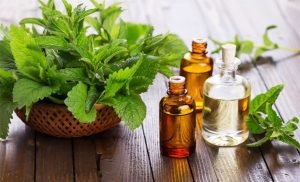
Tea Tree Essential Oil Tea tree oil is often referred to as “medicine cabinet in a bottle,” as it’s ..
-

13 surprising home remedies for acid reflux Before you reach for the heavy-duty, prescription-strength ..
-
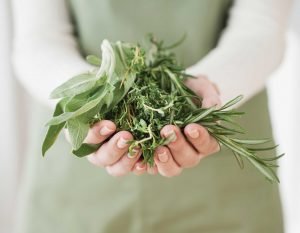
Great Burdock The root is used to treat ‘toxic overload’ that result in throat infections and skin ..