
-

1. Apples Are Nutritious A medium apple is equal to 1.5 cups of fruit. Two cups of fruit daily are recommended ..
-

1.Bananas help overcome depression due to high levels of tryptophan, which is converted into serotonin ..
-

1. Beta carotene: Carrots are a rich source of this powerful antioxidant, which, among other vital uses, ..
-

Tinnitus in the ear can occur due to ear infections, various infections, perforation of the eardrum, ..
-
Comments Off on Pregnancy Calendar – Week 5 of Your Pregnancy

5-week pregnancy “Pregnancy calendar” at week 5: Your baby’s brain is developing. You may feel ..
-
Comments Off on Pregnancy Calendar – Week 4 of Your Pregnancy

4 weeks pregnancy “Pregnancy calendar” at 4th week: A miracle begins! Your baby, now consisting ..
-

How to Use Aloe Vera for Skin Irritations and Minor Burns
Aloe vera gel is a familiar home remedy for redness, mild itching, dryness, and the heat associated with a small superficial burn. Its cooling texture can make uncomfortable skin feel calmer, while its water-rich formula helps reduce the tight sensation that often follows irritation. Still, aloe is best viewed as supportive skin care rather than a complete treatment for every wound.
The useful part of the plant is the clear inner gel. Aloe leaves also contain yellow latex near the outer layer, along with compounds that can irritate skin when used incorrectly. Commercial products may include preservatives, fragrance, alcohol, or other ingredients that affect how well they suit sensitive skin.
The safest approach is simple: cool a minor burn first, clean irritated skin gently, apply a small amount of plain gel, and watch for changes. General wellness resources such as Healthy Life Live can provide broader information, but persistent, severe, or unusual symptoms deserve assessment from a qualified healthcare professional.
What Aloe Vera Can Do for Irritated Skin
Aloe vera gel forms a light, temporary layer over the skin. This layer can reduce the feeling of dryness and friction, making it useful for minor irritation caused by sun exposure, shaving, mild chafing, or contact with a non-severe irritant. The cool sensation may also lessen the urge to scratch, although it does not remove the original trigger.
The gel contains water, polysaccharides, and other plant compounds studied for their soothing and moisturizing qualities. Evidence for aloe varies according to the product and the condition being treated, so it should not be described as a guaranteed anti-inflammatory or healing cure. Its most dependable role is comfort care for intact skin and very minor superficial damage.
Aloe does not replace treatment for a spreading rash, infected wound, blistering reaction, or deep burn. If the skin becomes increasingly painful, hot, swollen, or covered with pus, stop home treatment and seek medical advice.
Selecting a Safe Aloe Product
Look for a product labeled as pure or mostly pure aloe vera gel, with a short ingredient list and no added fragrance. Fragrance, essential oils, menthol, and drying alcohols can worsen stinging on already sensitive skin. A transparent or lightly colored gel is often easier to evaluate than a product containing numerous dyes and botanical extracts.
Do not assume that cutting a leaf guarantees a safer remedy. Fresh aloe should be handled carefully because the yellow sap, often called latex, lies between the outer leaf and the clear inner gel. Rinse away the yellow material and use only the clear portion. Home-prepared gel can also become contaminated if the leaf, knife, container, or hands are not clean.
Check the product’s expiration date and storage instructions. Preservative-free preparations may spoil quickly, particularly when repeatedly touched or stored at room temperature. Discard gel if its smell, color, or texture changes, or if it has been contaminated by dirty fingers or an unclean applicator.
Applying Aloe Vera Without Worsening Irritation
Before applying aloe to a larger area, perform a small patch test. Place a little gel on an unaffected area, such as the inner forearm, and leave it undisturbed for several hours. Burning, itching, swelling, hives, or increased redness indicates that the product should be washed off and avoided.
Clean the irritated area with lukewarm water and a gentle, fragrance-free cleanser if needed. Pat rather than rub the skin dry. Spread a thin layer of gel with clean hands, avoiding vigorous massage. Reapply according to the product directions, usually when the skin feels dry or uncomfortable, rather than continually coating the area.
Aloe is not appropriate for every type of skin injury. Avoid putting it into deep cuts, puncture wounds, large open areas, or severe sunburns without professional guidance. Keep it away from the eyes and mucous membranes. If the gel causes stinging that does not settle quickly, rinse it away with clean water.
Aloe Vera for Minor Burns
For a small thermal burn, first remove the source of heat and cool the area under gently running cool water for about 20 minutes when possible. This step helps reduce retained heat in the skin. Do not use ice, butter, cooking oil, toothpaste, or very cold packs, since these can further damage irritated tissue or trap heat.
After cooling, remove jewelry or tight items near the burn before swelling develops. Cover the area loosely with a sterile, non-stick dressing if it may rub against clothing. Once the skin has cooled and remains intact, a thin layer of plain aloe gel may provide a soothing sensation. It should never delay cooling, cleaning, or medical evaluation.
Small first-degree burns generally look red, feel painful, and do not produce significant blistering. Some small partial-thickness burns may be managed at home, but blisters should not be deliberately broken. If a blister opens, keep the area clean and covered rather than repeatedly applying unverified household products.
Situation Appropriate aloe use Safer first step When to get medical help Mild dryness or chafing Thin layer on intact skin after gentle cleansing Remove friction and moisturize Symptoms spread, crack, bleed, or persist Minor sun irritation Plain, fragrance-free gel for comfort Move out of the sun and cool the skin Extensive blistering, severe pain, dehydration, or confusion Small first-degree burn Gel after cooling the area thoroughly Cool running water for about 20 minutes Burn is larger than the person’s palm or worsening Small blistered burn Avoid relying on aloe inside or over an open blister Protect with a clean, non-stick dressing Increasing redness, pus, fever, or severe pain Rash from a product or plant Stop the suspected trigger; patch-tested aloe may soothe intact skin Rinse the area and avoid further exposure Facial swelling, breathing trouble, or widespread hives Situations That Need More Than Home Care
The size, depth, location, and cause of a burn matter more than the choice of soothing gel. Get urgent medical care for burns that are deep, charred, white, numb, or larger than the person’s palm. Burns involving the face, eyes, hands, feet, genitals, major joints, or a large band around a limb also need prompt evaluation.
Electrical and chemical burns require medical advice even when the surface damage looks limited. Do not apply aloe to a chemical exposure before following the relevant emergency instructions, because the substance may still be reacting with the skin. Children, older adults, and people with diabetes or poor circulation may need earlier professional assessment.
Watch for infection during healing. Warning signs include redness that expands beyond the original area, worsening warmth or swelling, cloudy drainage, red streaks, fever, or pain that increases instead of easing. An allergic response to aloe may cause a new rash, hives, swelling, or intense itching; remove the product and obtain medical help for breathing difficulty or swelling of the lips and face.
Making Aloe Part of Gentle Skin Care
Aloe works best as one small part of a low-irritation routine. Protect the affected area from sun exposure, friction, hot water, and strongly scented products while it recovers. For dry, intact skin, a bland moisturizer may provide longer-lasting hydration than aloe alone because it helps reduce water loss from the surface.
Avoid layering several home remedies at once. Combining aloe with essential oils, lemon juice, vinegar, baking soda, or exfoliating acids can increase irritation and make it harder to identify the cause of a reaction. Use one simple product at a time and give the skin an opportunity to respond.
People with eczema, very reactive skin, or a history of plant allergies should be especially cautious. “Natural” does not mean allergy-proof. A pharmacist or clinician can help identify a suitable product when irritation is recurrent, unexplained, or associated with prescription creams.
Practical Safety Reminders
- Cool a fresh minor burn with gently running water before using any gel.
- Choose fragrance-free aloe with a short ingredient list and check its expiration date.
- Patch-test the product before applying it to a broad area.
- Use only a thin layer on clean, intact skin and stop if burning or rash develops.
- Seek care for deep, extensive, infected, chemical, electrical, or high-risk burns.
Used thoughtfully, aloe vera can offer temporary relief for mild redness, dryness, and superficial heat. It should remain a gentle comfort measure, not a substitute for first aid or medical care. Keep a suitable fragrance-free gel available, learn the warning signs that require prompt attention, and treat every worsening skin problem as a reason to contact a healthcare professional.
-
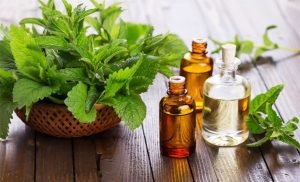
Tea Tree Essential Oil Tea tree oil is often referred to as “medicine cabinet in a bottle,” as it’s ..
-

13 surprising home remedies for acid reflux Before you reach for the heavy-duty, prescription-strength ..
-

Great Burdock The root is used to treat ‘toxic overload’ that result in throat infections and skin ..