
-

1. Apples Are Nutritious A medium apple is equal to 1.5 cups of fruit. Two cups of fruit daily are recommended ..
-
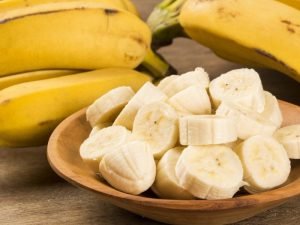
1.Bananas help overcome depression due to high levels of tryptophan, which is converted into serotonin ..
-

1. Beta carotene: Carrots are a rich source of this powerful antioxidant, which, among other vital uses, ..
-

Tinnitus in the ear can occur due to ear infections, various infections, perforation of the eardrum, ..
-
Comments Off on Pregnancy Calendar – Week 5 of Your Pregnancy

5-week pregnancy “Pregnancy calendar” at week 5: Your baby’s brain is developing. You may feel ..
-
Comments Off on Pregnancy Calendar – Week 4 of Your Pregnancy

4 weeks pregnancy “Pregnancy calendar” at 4th week: A miracle begins! Your baby, now consisting ..
-

How to Use Aloe Vera Safely for a Minor Sunburn
Minor sunburn causes redness, warmth, tenderness, and itching after excessive ultraviolet exposure. Aloe vera gel may soothe the discomfort and add moisture, but its evidence for treating sunburn is limited. It cannot reverse ultraviolet damage, replace cooling first aid, or make exposed skin safe for another day in the sun.
Australia’s sun exposure makes correct use especially important. The UV index can reach extreme levels from Bondi Beach to Alice Springs, and many Australians treat a mild reaction as being “a bit pink” rather than seeking advice. Even a sunburn that feels manageable should be treated as skin injury, while intense UV conditions can cause damage quickly.
Use aloe vera only on a minor burn with intact skin. Avoid it on blistered, bleeding, weeping, or badly irritated areas, and do not use it as a treatment for a deep or severe burn. A cool compress and fragrance-free moisturiser may be more appropriate when a product causes stinging.
Start with first aid rather than reaching straight for aloe. Cool the sunburn under cool or lukewarm running water for about 20 minutes, remove jewellery near the area, and pat the skin gently. Avoid ice, which can worsen tissue injury. Once the skin is cool and dry, a purified aloe vera gel can be applied in a thin layer.
Cooling and assessing the burn
The first step is to get out of direct sunlight. Stay indoors or in shade while the skin cools, because additional UV exposure can increase the injury. Loose cotton clothing may feel better than synthetic fabric, but do not wrap the area tightly or cover it with plastic film, which traps heat and moisture.
Cool, lukewarm running water is the preferred first-aid method for minor sunburn in Australia. It lowers skin temperature without the intense cold associated with ice. If a shower is not practical, a clean cloth soaked in cool water can be used briefly, but it should be refreshed rather than left warm against the skin.
Check the burn before applying any product. Minor sunburn usually appears as pink or red skin with mild tenderness and no blisters. If the affected area is extensive, the skin is white, grey, brown, or leathery, or pain is severe, treat the situation as a medical concern rather than a candidate for home care.
Choosing and checking aloe vera
Australian supermarkets, pharmacies, and beauty shops stock many products labelled “aloe vera.” Some contain a high proportion of gel, while others are mostly water, alcohol, fragrance, or colouring. Check the ingredient list and choose a simple product whose main ingredient is aloe vera gel, ideally without alcohol, menthol, perfume, or vivid dyes.
Fresh plant gel is not automatically safer. The yellow latex beneath the leaf contains aloin and other compounds that may irritate skin or cause diarrhoea if swallowed. If using gel taken directly from a plant, avoid the yellow latex, extract only the clear inner gel, wash the hands and equipment, and never use it on broken skin. A commercially prepared product is generally more consistent.
Try a new product on a small area first, particularly if you have sensitive skin or a history of allergy to plants in the aloe family. Stop if redness, itching, rash, or swelling develops. Readers who have an editorial question about the advice in this guide can use contact Healthy Life Live, although replies may not be immediate.
Applying aloe vera correctly
Wash and dry your hands before opening the gel. Apply a very thin layer to the intact area with clean fingers or a clean cotton pad. Gentle patting is preferable to vigorous rubbing, since sunburned skin can sting and tear more easily when massaged.
Follow the directions on the chosen product rather than applying a thick coating. Reapply only as directed and after washing the area. Aloe vera should not be sealed beneath cling film, compression garments, or a heavy bandage, and it should not be applied over another medicated cream unless a health professional has advised this.
Aloe is a soothing moisturiser, not a sunscreen. Keep the area covered and stay in shade while it settles. Once the skin is no longer too tender to tolerate sunscreen, apply a broad-spectrum, water-resistant SPF 50+ product to exposed areas, together with clothing and shade. Australian “sunsmart” habits remain important after the redness disappears.
A practical routine for minor sunburn
A consistent routine can reduce discomfort without adding irritation. Work from the least irritating option to products that suit your skin, and stop anything that causes burning or a rash.
- Cool the area under lukewarm running water for 20 minutes, then remove nearby jewellery before swelling develops.
- Pat the skin dry with a clean, soft towel rather than rubbing it firmly with a rough cloth.
- Apply a thin layer of purified, fragrance-free aloe gel to intact skin and follow the product label.
- Wash your hands before and after application, particularly if the gel comes from a fresh plant.
Between applications, focus on comfort and protection. Keep fluids nearby, choose loose clothing, and avoid further sun exposure while the skin remains sensitive.
- Drink water regularly, since heat exposure and sun can contribute to dehydration even when the burn itself is small.
- Use paracetamol or ibuprofen for pain if suitable, following the packet directions and checking any health conditions or medicines.
- Stay in shade and protect the area with clothing; postpone activities such as swimming, gardening, or a beach walk.
- Use sunscreen once the skin can tolerate it, or keep the area completely covered until tenderness settles.
A little discomfort is common during the following day or two, but the area should gradually feel better. Moisturising intact skin can prevent excessive dryness and flaking, and a cool bedroom may help if heat in the bed makes the burn uncomfortable.
Aloe vera mistakes to avoid
Do not treat household aloe vera plants as a sterile first-aid product. Contamination is possible even when the inside of a leaf appears clean, and the yellow latex may cause irritation. Commercial gel with a clear ingredient list is a more predictable choice, particularly for sensitive or damaged skin.
Avoid putting toothpaste, butter, cooking oil, strong alcohol, essential oils, or homemade mixtures on sunburned skin. These substances can trap heat, irritate the skin, or trigger allergy. Aloe vera containing added fragrance or menthol may provide a cooling sensation, but it can also cause a burning reaction.
Do not apply aloe to blisters or open skin, and do not expect it to make severe sunburn safe. If the burn is large, deeply painful, or accompanied by blistering, cooling and medical assessment are more important than cosmetic products. Excessive use of aloe gel will not speed repair and may worsen irritation.
When medical care is needed
Seek urgent medical care for a severe burn, including deep or extensive blistering, pale or charred-looking skin, severe pain, or burns involving the eyes, face, hands, genitals, or a large portion of the body. Move the person to shade, cool the burn with running water, and call an ambulance on 000 if there are signs of heat illness such as vomiting, confusion, faintness, or a high temperature.
Arrange an appointment with a pharmacist or general practitioner if the burn is small but unusually painful, repeatedly blisters, or is not settling as expected. Increasing redness, warmth, pus, red streaks, worsening swelling, or fever can indicate infection. People who are pregnant, caring for a young child, taking immune-suppressing medicines, or dealing with a significant medical condition should obtain professional advice before applying a new remedy.
Persistent burning pain, marked swelling, stiffness, or changes in skin colour or temperature need clinical assessment. One rare condition associated with trauma is complex regional pain syndrome, formerly called reflex sympathetic dystrophy; the Budapest diagnostic criteria can help specialists assess suspected cases, but they are not intended for self-diagnosis. Early advice from a healthcare professional is the safest response when pain or swelling continues beyond the normal course of a minor sunburn.
-
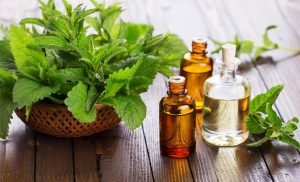
Tea Tree Essential Oil Tea tree oil is often referred to as “medicine cabinet in a bottle,” as it’s ..
-

13 surprising home remedies for acid reflux Before you reach for the heavy-duty, prescription-strength ..
-
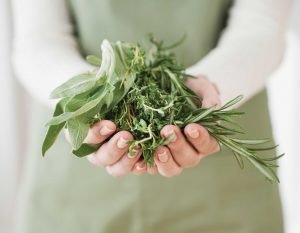
Great Burdock The root is used to treat ‘toxic overload’ that result in throat infections and skin ..