
-

1. Apples Are Nutritious A medium apple is equal to 1.5 cups of fruit. Two cups of fruit daily are recommended ..
-
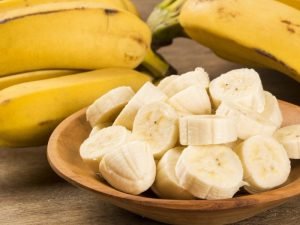
1.Bananas help overcome depression due to high levels of tryptophan, which is converted into serotonin ..
-
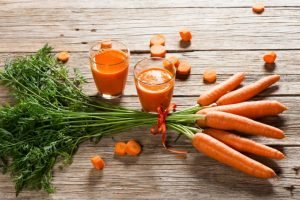
1. Beta carotene: Carrots are a rich source of this powerful antioxidant, which, among other vital uses, ..
-

Tinnitus in the ear can occur due to ear infections, various infections, perforation of the eardrum, ..
-
Comments Off on Pregnancy Calendar – Week 5 of Your Pregnancy

5-week pregnancy “Pregnancy calendar” at week 5: Your baby’s brain is developing. You may feel ..
-
Comments Off on Pregnancy Calendar – Week 4 of Your Pregnancy

4 weeks pregnancy “Pregnancy calendar” at 4th week: A miracle begins! Your baby, now consisting ..
-

How to Use Ginger for an Upset Stomach
Ginger has been used for generations as a warming spice and traditional remedy for nausea, indigestion, bloating, and mild stomach discomfort. Its sharp flavor comes from natural compounds called gingerols and shogaols, which may help calm digestive activity and reduce the sensation of queasiness.
A small amount of fresh ginger, ginger tea, or a standardized supplement can be useful when an upset stomach is linked to motion sickness, mild nausea, a heavy meal, or temporary digestive irritation. The best option depends on the symptom, how sensitive your stomach is, and whether you have any health conditions or take medication.
Ginger is not a cure for every cause of abdominal pain. Severe or persistent symptoms can signal infection, food poisoning, gallbladder disease, an ulcer, or another condition that needs medical attention. Use it as a gentle supportive measure, while paying attention to warning signs.
Why Ginger May Calm Digestive Discomfort
Ginger may influence movement through the stomach and upper digestive tract. When digestion feels slow, this action can help reduce fullness, belching, and nausea after eating. Ginger is also commonly used for motion-related queasiness because it may affect signals between the digestive system and the brain.
The herb contains compounds with antioxidant and anti-inflammatory properties. These effects do not mean ginger will immediately resolve an upset stomach, but they may explain why a warm cup of ginger tea feels soothing during mild digestive distress. Its pleasant heat can also encourage slow sipping and hydration.
Research has examined ginger for several forms of nausea, including pregnancy-related morning sickness, postoperative nausea, and motion sickness. Results vary, and studies often use different doses and preparations. For everyday stomach discomfort, modest amounts are usually a sensible starting point rather than a concentrated dose.
Choosing a Gentle Ginger Preparation
Fresh ginger root is a versatile choice. Rinse and thinly slice a piece about the size of a small coin, then steep it in hot water for five to ten minutes. The resulting infusion can be taken plain or with a little honey. A shorter steep produces a milder drink, while longer steeping creates a stronger, spicier flavor that may irritate a sensitive stomach.
Ginger tea bags are convenient, but check the ingredient list. Some products contain large amounts of black tea, caffeine, peppermint, sweeteners, or artificial flavoring. If nausea is the main concern, a simple caffeine-free ginger infusion is often easier to tolerate. Drink it slowly instead of consuming a large mug quickly.
Ginger chews and crystallized ginger may help when nausea occurs away from home, though they can contain considerable sugar. Capsules and liquid extracts provide a more concentrated amount and should be used according to the product label. Concentrated supplements are not automatically more effective, and they may be more likely to cause heartburn or stomach irritation.
How Much Ginger to Try
Start with a small serving and observe how your body responds. For tea, one or two thin slices of fresh root in a cup of hot water is a mild preparation. You can repeat it later if needed, provided it does not worsen burning, reflux, or stomach pain. Taking ginger after a small snack may feel gentler than drinking it on an empty stomach.
Supplement doses vary widely because products contain different concentrations of ginger extract. Avoid combining several ginger products without checking the total amount. A pharmacist or healthcare professional can help you choose a suitable preparation, especially if you are pregnant, have a chronic condition, or use prescription medicine.
Ginger preparation A practical starting approach Useful for Points to consider Fresh ginger tea One or two thin slices steeped in hot water Mild nausea, fullness, gentle hydration Sip slowly; reduce strength if it causes burning Ginger tea bag One caffeine-free cup according to the package Convenience and occasional queasiness Check for added caffeine, sugar, or herbal blends Fresh ginger with food A small amount grated into soup or rice Mild digestive discomfort after meals Avoid heavily spiced recipes if reflux is present Ginger chew One small piece when needed Travel-related nausea or nausea outside the home Often high in sugar and may be too strong for some people Ginger capsule or extract Follow the label rather than guessing Situations requiring a measured preparation Discuss use with a professional if taking medication Food-based ginger is generally easier to adjust than capsules. If a serving produces a burning sensation in the chest, loose stools, abdominal cramping, or increased discomfort, stop using it and allow your symptoms to settle.
Match the Method to the Symptom
For nausea, warm ginger tea taken in small sips may be the most comfortable choice. Keep the drink mild and avoid gulping it. If smells trigger queasiness, allow the tea to cool slightly and take small amounts in a well-ventilated space. Plain crackers, rice, bananas, or toast may also be easier to tolerate than rich foods.
For bloating or a heavy feeling after eating, try a small amount of ginger tea after the meal. A gentle walk, loose clothing, and smaller portions can support digestion as well. Avoid adding a large amount of lemon, chili, or acidic juice if you are prone to reflux.
For motion sickness, ginger may work best when taken before travel rather than after nausea becomes intense. A tea, chew, or appropriately labeled supplement can be used according to its directions. Combine this approach with fresh air, looking toward the horizon, and avoiding heavy or greasy meals before the journey.
When mild stomach discomfort accompanies diarrhea, hydration matters more than ginger. Oral rehydration fluids can replace water and electrolytes, while ginger may be used only if it does not worsen cramping. Blood in the stool, high fever, severe weakness, or signs of dehydration require prompt medical care rather than home treatment.
Safety, Interactions, and Special Situations
Ginger can cause heartburn, mouth irritation, gas, or loose stools, particularly in larger amounts. People with gastroesophageal reflux may find that its spicy quality aggravates symptoms. Stop taking it if the discomfort becomes stronger or if a new reaction develops.
Ginger may have mild blood-thinning effects and could interact with anticoagulant or antiplatelet medicines. Caution is also appropriate for people with a bleeding disorder, gallstones, a planned surgery, or diabetes treated with medication. The effect of ginger on blood sugar may be relevant in some cases.
During pregnancy, ginger is often discussed as a possible aid for morning sickness, but the amount and preparation should be reviewed with a prenatal healthcare professional. Severe pregnancy nausea, inability to keep fluids down, dizziness, reduced urination, or weight loss can indicate hyperemesis and needs medical assessment.
People with ongoing digestive disease should avoid relying on ginger to mask symptoms. If you need to contact the publisher about health content, the site's editorial contact details provide a direct route for general website-related communication, but they do not replace medical advice from a qualified clinician.
When an Upset Stomach Needs Medical Care
Seek urgent care for sudden or severe abdominal pain, a rigid or swollen abdomen, fainting, confusion, chest pain, or difficulty breathing. Vomiting blood or material that resembles coffee grounds, passing black stools, or seeing blood in the stool also requires prompt evaluation.
Contact a healthcare professional if vomiting continues, fluids cannot stay down, diarrhea lasts several days, or symptoms keep returning. A persistent upset stomach may be related to medication side effects, an ulcer, food intolerance, infection, inflammatory disease, or another problem that ginger cannot address.
Be especially careful with children, older adults, pregnant people, and anyone with a weakened immune system. These groups can become dehydrated more quickly. A clinician can identify the cause and recommend a safe treatment instead of relying on repeated home remedies.
Simple Habits for a Calmer Stomach
A few practical habits can make ginger more comfortable and useful:
- Begin with weak ginger tea or a small food-based serving rather than a concentrated supplement.
- Sip fluids gradually and choose bland foods while nausea or indigestion is active.
- Avoid combining ginger with alcohol, very fatty meals, chili, or large amounts of caffeine when your stomach is sensitive.
- Record any symptoms or medication changes if stomach problems keep returning.
- Stop ginger and seek advice if it causes heartburn, bleeding concerns, worsening pain, or an allergic reaction.
Ginger works best as part of a gentle routine. Rest, hydration, smaller meals, and avoiding foods that clearly trigger symptoms may support recovery more effectively than increasing the ginger dose. Once the stomach feels settled, return gradually to a normal diet.
For occasional mild nausea or digestive heaviness, prepare a modest cup of fresh ginger tea and take it slowly. Pay attention to your response, use extra caution with supplements, and arrange medical care when symptoms are severe, persistent, or unusual.
-
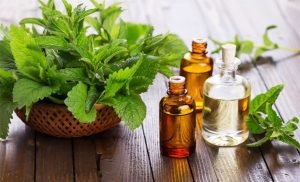
Tea Tree Essential Oil Tea tree oil is often referred to as “medicine cabinet in a bottle,” as it’s ..
-

13 surprising home remedies for acid reflux Before you reach for the heavy-duty, prescription-strength ..
-
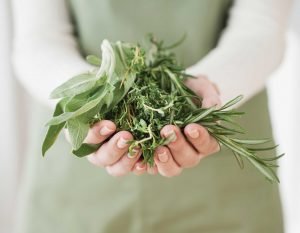
Great Burdock The root is used to treat ‘toxic overload’ that result in throat infections and skin ..